
Log cabins are synonymous with rustic charm, cozy retreats, and durable living spaces. However, as beautiful and sturdy as they are, log homes require regular maintenance to prevent issues like rot, water damage, and structural instability. One of the most serious threats to the integrity of a log cabin is log cabin repair rotten logs. Rotting logs can compromise the entire structure, and if left unaddressed, may lead to extensive repairs—or even a complete loss of your home. In this article, we’ll explore the common signs and symptoms of log rot, what causes it, and why immediate repair is essential to preserving the longevity and safety of your log cabin.
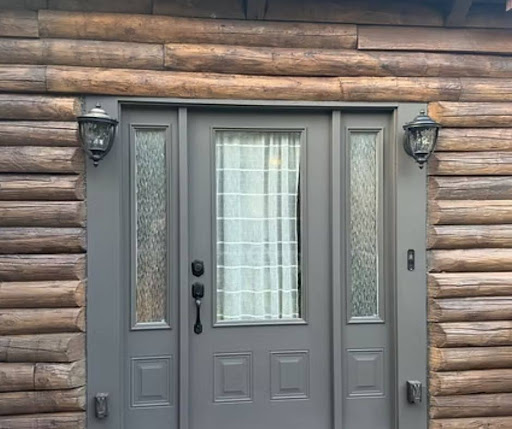
Understanding Log Rot: The Silent Destroyer
Log rot takes vicinity while moisture penetrates wood fibers, main to fungal boom and rot. This method weakens the structure of the logs, compromising the integrity of your cabin. The two number one styles of rot that have an effect on log cabins are:
- Brown Rot: Often called “dry rot,” this form of deterioration causes the wood to become brittle and fall apart into cube-like fragments.
- White Rot: This influences each the lignin and cellulose in wood, inflicting it to turn out to be tender, spongy, and discolored.
Both forms of rot can unfold all of sudden if not addressed, foremost to great harm that requires pricey maintenance.
Signs Your Log Cabin Needs Immediate Repair
1. Soft or Spongy Wood
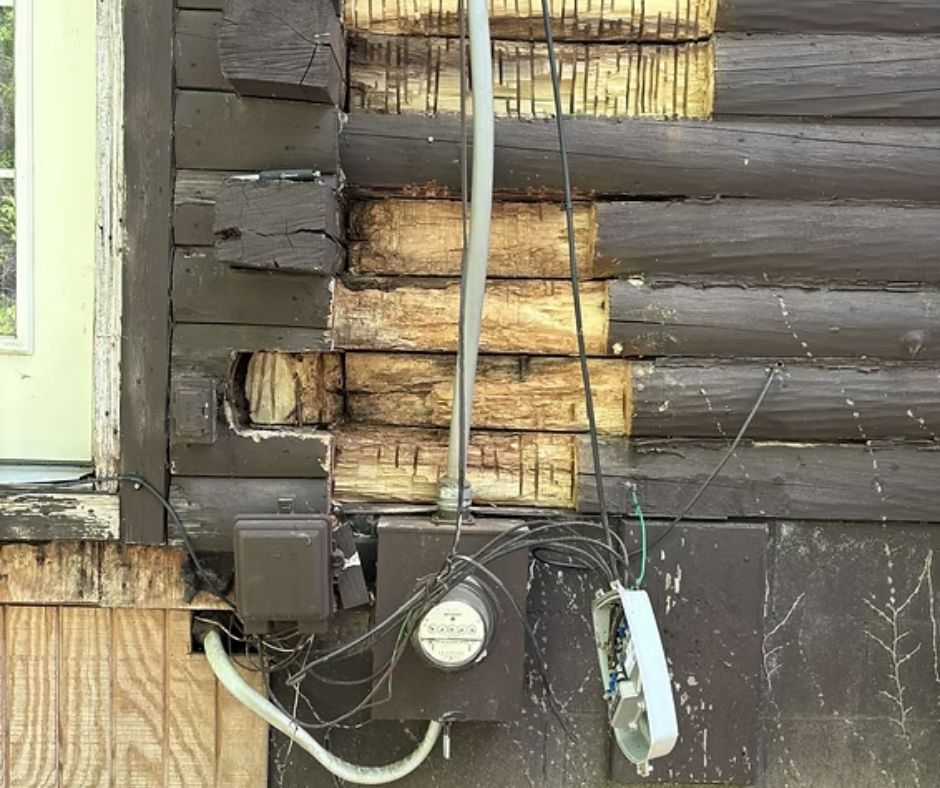
One of the primary symptoms of log rot is a easy or spongy texture while you press on the wood. If you be aware that superb regions of your logs have out of place their firmness, it’s a easy indication that moisture has compromised their integrity.
2. Cracks and Splits in Logs
While some natural cracking (referred to as “checking”) is anticipated in log cabins, deep splits that permit water to penetrate can motive rot. If you notice huge cracks maintaining moisture, it’s a warning signal that renovation are desired.
3. Discoloration or Dark Patches
Wood rot regularly provides itself as darkish brown or black spots on the logs. These discolorations imply fungal growth and have to be inspected proper now to prevent in addition decay.
4. Mold and Mildew Growth
Mold and mold thrive in damp environments. If you notice inexperienced, white, or black patches on your logs, it can signal excess moisture retention, which can lead to rot.
5. Musty or Damp Odor
A robust, musty odor interior or out of doors your cabin indicates moisture troubles. This fragrance is often a precursor to wooden rot and must not be overlooked.
6. Bug Infestations
Certain insects, such as wood worker ants and termites, are drawn to rotting timber. If you observe small holes, sawdust piles, or insect interest, your logs might also already be decaying.
7. Log Surface Peeling or Flaking
If the surface of your logs seems flaky or the outer layers are peeling away, it is able to be a signal that moisture has penetrated the wood, leading to decay beneath the floor.
8. Sagging or Warped Walls
Structural shifts inclusive of sagging partitions or misaligned doorways and home windows can suggest that rot has weakened the logs, causing them to warp and lose their true form.
Causes of Log Rot
Several elements make a contribution to log rot, consisting of:
- Poor Maintenance: Failing to reapply shielding sealants or stains allows moisture to penetrate the wooden.
- Inadequate Ventilation: Poor airflow prevents logs from drying out, developing a high-quality surroundings for mildew and rot.
- Gutter Issues: Clogged or missing gutters permit rainwater to run down the logs, developing moisture absorption.
- Foundation Problems: If water swimming pools across the base of the cabin, it is able to seep into the logs and motive decay.
- Improper Landscaping: Trees and shrubs planted too near the cabin can lure moisture in opposition to the logs, accelerating rot.
Immediate Repair Options
1. Replace Rotten Logs
If the harm is localized, the affected logs may be carefully eliminated and modified with new, handled logs. It’s important to wholesome the replacement logs to the present structure to preserve the cabin’s integrity.
2. Treat with Borate Solutions
Borate remedies assist prevent fungal increase and bug infestations. Applying a borate method to affected regions can gradual down decay and shield in opposition to destiny rot.
3. Reapply Sealants and Stains
A super log sealant or stain acts as a barrier against moisture. Regularly sealing your logs can prevent destiny rot problems.
4. Improve Drainage and Ventilation
Ensuring right drainage spherical your cabin and improving airflow can assist maintain logs dry and reduce the threat of rot.
5. Install Gutters and Overhangs
Adding gutters and overhangs to direct rainwater far from your cabin can notably reduce moisture infiltration.
Preventative Maintenance Tips
- Regular Inspections: Conduct an intensive inspection of your cabin at the least two times a 12 months to entice early signs and symptoms and signs of rot.
- Keep Logs Clean: Remove dust, particles, and natural fabric that could keep moisture.
- Trim Vegetation: Keep plants and trees as a minimum 3 toes a ways from the cabin to permit for ok airflow.
- Monitor Humidity Levels: Use a dehumidifier indoors your cabin to preserve top-rated humidity tiers and save you moisture buildup.
Conclusion
Log rot is a serious threat to your cabin’s longevity, but early detection and swift action can save you from costly repairs. By recognizing the warning signs, addressing issues promptly, and implementing preventative measures, you can ensure your log cabin remains strong, beautiful, and structurally sound for years to come. Beyond the structure itself, maintaining the aesthetic and interior design of log cabins is equally important—rot and damage can impact not only the exterior but also the charm and comfort of your living space. If you suspect your logs are rotting, don’t delay—seek expert log cabin repair services to preserve your rustic retreat before the damage worsens.







 Idea Sprout News
Leave a comment