
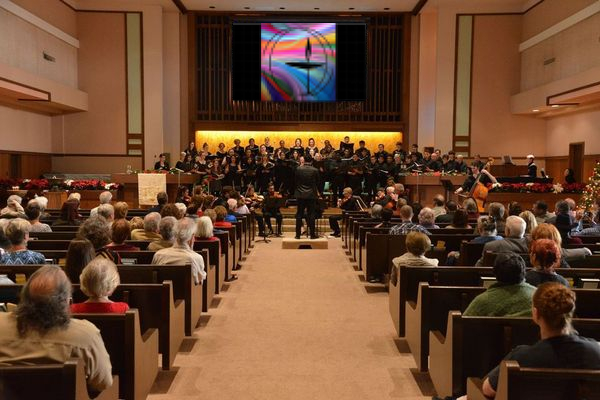
Unitarian Universalist (UU) churches are a special choice in a society when many religious organizations are distinguished by rigorous creeds, doctrines, and particular belief systems. These churches neither demand members to show loyalty to any one creed nor follow a single set of advised values. Instead, Unitarian churches are built around the idea of a free and responsible search for truth. They welcome people from a great range of spiritual traditions and create a setting where people may investigate their own ideas in an open-minded, supportive group. Unitarian Universalists, however, find unity in shared values and a common dedication to lead a life of compassion, fairness, and respect even in the absence of a particular dogma.
The Unitarian Universalist tradition is based on the conviction that people should be free to follow their spiritual road unhindered by doctrine or convention. This freedom, though, does not imply a lack of community or common goal. Rather, it promotes togetherness grounded in respect, common ideals, and a dedication to the common good. This blog will look at the fundamental ideas and common objectives that bind members of Unitarian congregations together as well as how these ideas influence their interactions with the world and with one another.
The Core Principles of Unitarian Universalism
A Commitment to Free Thought and Exploration
Unlike many other religious traditions, Unitarian congregations do not demand of their members to follow a particular belief system. Rather, they inspire every person to choose their own spiritual path under direction of reason, personal experience, and introspection. From atheists and agnostics to those who pursue conventional religious pathways, this focus on free thought enables a wide spectrum of ideas inside the Unitarian community.

Unitarian Universalism is based on the conviction that everyone’s spiritual path is unique and that constant questioning and discovery constitute the means of real enlightenment and development. This transparency to many ideas and views creates a rich and dynamic environment where many points of view are appreciated and accepted. Members of Unitarian congregations gather to create a significant and encouraging community by means of this intellectual engagement.
Shared Principles of Justice, Compassion, and Respect
Unitarian congregations are connected by a shared dedication to particular ethical values even though they do not follow one creed. The Seven Principles of Unitarian Universalism offer a structure for guiding people toward living their lives and interacting with the environment. These values stress justice, compassion, respect of the intrinsic worth and dignity of every person, and a will to create a better world.
Unitarian Universalism’s central premise, the conviction that all persons and all existence are interrelated, is one of these ideas that stresses the need of treating people with respect and kindness as well as of trying to produce a more fair and equal society. Active in social justice advocacy, unitarian churches support racial equality, environmental sustainability, gender rights, and LGBTQ+ rights. As members unite to change the world, this emphasis on justice and compassion helps foster a strong feeling of community among them.
A Focus on Spiritual Growth and Personal Transformation
Unitarian churches offer a forum for people to develop individually and spiritually even though they do not offer a particular set of ideas. Unitarian Universalism exhorts adherents to exercise meditation, prayer, introspection, and service to others, therefore fostering spiritual development. These techniques help people to meaningfully connect with their inner selves, with others in the community, and with the environment in which they live.
This focus on spiritual development also motivates strong personal responsibility. Unitarian Universalists are urged to live in line with their principles and to look for means of helping others to be better off. By means of this self-reflection and personal development process, people can match their activities with their values, therefore fostering harmony and fulfillment in their life.
How Unitarian Churches Build Community Without a Creed
Emphasizing Personal Experience and Reason
Unitarian churches are based on the conviction that the quest for truth mostly depends on reason and personal experience. This focus on personal experience helps everyone to contribute their special viewpoint to the society. Every person is invited to investigate their own definition of spirituality; no one set of ideas or dogma is required of them.
This tolerance to different points of view helps to build an inclusive, friendly, nonjudging group. People from many backgrounds—religious, spiritual, or secular—can gather to provide their experiences and views. Unitarian churches help to create a setting of mutual respect and learning in which diversity is not just tolerated but celebrated.
A Commitment to Social Justice and Action
Unitarian congregations are connected by a strong dedication to social justice and action, even if they might not have a shared creed. Unitarian Universalists hold that faith should be experienced in the world rather than only something one does in solitude. The church’s participation in a range of causes, from supporting environmental sustainability to advocating the rights of underprivileged groups, reflects its dedication to social justice.
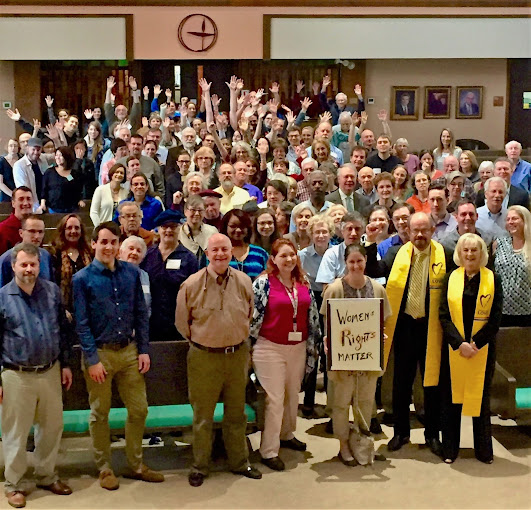
Unitarian churches frequently participate in outreach events, volunteer labor, and advocacy campaigns meant to solve urgent social problems. Unitarian Universalists know that their faith compels them to transform the world, whether that means helping nearby homeless shelters, planning climate change initiatives, or striving to eradicate racial prejudice. This common dedication to justice fosters among members a feeling of community and shared goal that bonds them beyond differences in opinion.
Rituals and Traditions That Foster Unity
Unitarian churches have customs and ceremonies meant to promote unity and community even if they follow no particular creed. Although readings, music, meditation, and prayers are among the services offered, they are meant to be open and adaptable so that anyone may interact with them whatever best fit their own values and beliefs.
These rites give people continuity and a feeling of connection, therefore enabling them to feel rooted in their faith and in their community. They also give people chances for introspection and meditation so they may relate with their spiritual selves and with the more general Unitarian Universalist legacy.
Conclusion
Unitarian churches present a different method of spirituality free from strict theology or creeds. Rather, they unite people using common ideals of justice, compassion, respect, and personal development. Unitarian Universalist Church establish a place where many points of view are welcomed and cherished by encouraging an environment in which people could freely explore their beliefs.
Unitarian church members are united by a dedication to live a life of meaning, purpose, and connection rather than by any one set of ideas. These churches provide a supportive environment where people may develop spiritually, work on social justice projects, and help others to be healthy. Unitarian congregations serve as a reminder that faith is about living out one’s values and trying to make the world a better place for all, not only about following prescribed beliefs in a world where many religious traditions define them.







 Idea Sprout News
Leave a comment