
Living in a flood-prone area comes with a constant hum of uncertainty. While these regions may offer scenic waterfront views and lush surroundings, they also pose a serious risk of property damage. For homeowners in such high-risk zones, insurance isn’t just a recommendation—it’s essential. Unfortunately, flood insurance premiums often rise alongside increasing climate threats. The good news is that affordable flood insurance is not a myth. With the right knowledge, proactive planning, and smart strategies, you can secure coverage that protects your home without overwhelming your budget.
Understanding Flood Zones and Why They Affect Your Insurance Premium
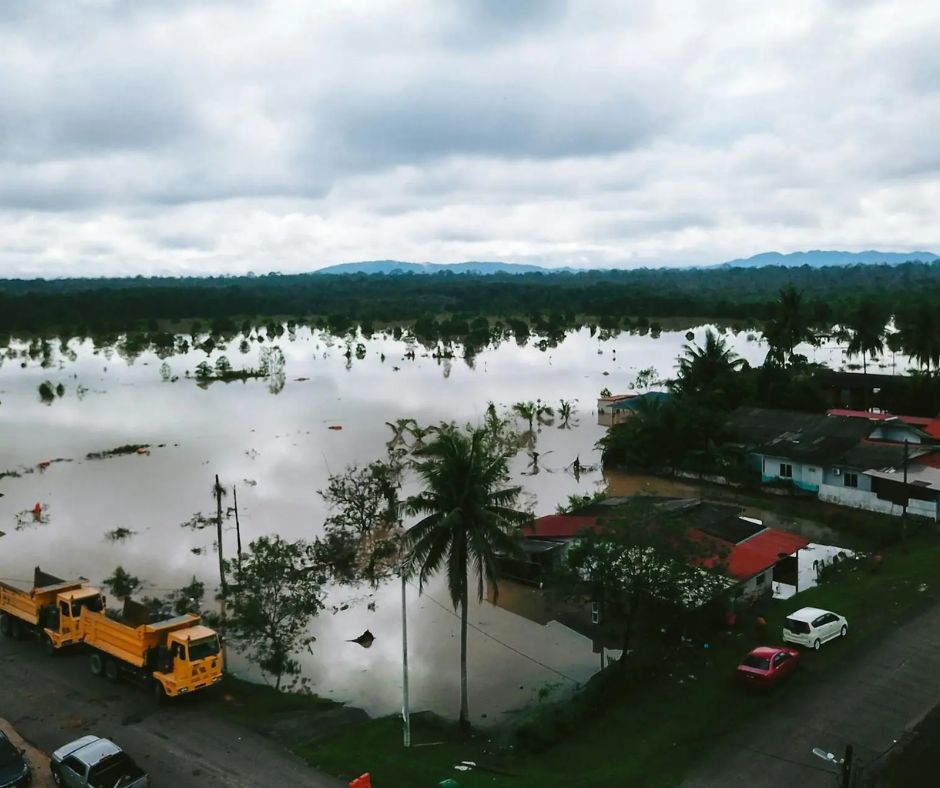
Flood zones are mapped and categorised via country wide government to reflect the likelihood of flooding in specific geographic areas. These maps aren’t arbitrary—they’re based totally on historical information, rainfall patterns, land elevation, hurricane surge possibilities, and different hydrological factors. The danger level assigned in your location performs a enormous position in figuring out your flood insurance top rate.
High-threat zones, frequently classified as Special Flood Hazard Areas (SFHAs), are wherein flood insurance turns into mandatory when you have a mortgage from a federally regulated or insured lender. These areas are liable to frequent flooding and might experience excessive damage throughout storms or heavy rainfall. Living in those zones approach insurers see a higher probability of payout, and therefore, they fee higher rates to mitigate their personal financial threat.
Understanding how your region is distinctive, and staying updated with any map revisions, is crucial. In a few instances, modifications to floodplain barriers may flow your private home into a decrease-hazard quarter, doubtlessly reducing your rates. Conversely, in case you’re newly zoned right into a high-chance vicinity, it’s crucial to behave quickly earlier than rate will increase take impact.
Evaluating Your Insurance Options Beyond Standard Homeowners Policies
One of the most important misunderstandings homeowners face is believing that a standard owners insurance policy covers flood harm. Unfortunately, that is barely ever the case. Flood coverage is a separate coverage, and without it, damages from growing water can be financially ruinous.
You generally have two avenues for securing flood insurance: authorities-subsidized regulations and personal insurers. Government-backed policies are frequently administered through national programs that offer standardized insurance based totally on flood region designations and assets values. Private insurers, however, may offer more bendy insurance alternatives and will provide competitive pricing, especially if they investigate your private home’s risk otherwise from the country wide flood region maps.
While private regulations can also appear greater affordable or customizable at the start glance, they frequently involve stricter underwriting criteria. This means eligibility and quotes will range greater broadly relying on your house’s actual vicinity, elevation, and records of flood claims. For some house owners, the authorities-backed direction may be the most stable and predictable option, even supposing it feels much less tailor-made.
Reducing Your Risk to Lower Your Insurance Premiums
Insurers calculate rates based totally on hazard. The better your own home’s perceived hazard, the more you’ll pay for coverage. This manner that any actions you’re taking to lessen danger may want to without delay translate into lower charges.
Elevation is one of the maximum impactful factors. If your property is increased above the bottom flood elevation (BFE) established to your place, you’re in all likelihood to receive a discount on your coverage. This is due to the fact higher elevation reduces the probability that floodwaters will attain and harm your property. Elevation certificate—documents that verify your house’s elevation on the subject of the BFE—can serve as important equipment in negotiating lower charges.
Other bodily upgrades also can assist. Installing flood vents to equalize water pressure, the usage of water-resistant building substances, and elevating key systems together with electrical panels and HVAC units can all lessen potential harm. These mitigation efforts might not simplest make your private home extra resilient but also assist you qualify for charge reductions.
Community participation in floodplain management applications also can advantage you. If your nearby authorities takes element in tasks designed to lessen flood chance—along with constructing levees, preserving drainage systems, or imposing stricter zoning laws—citizens may additionally receive reductions on flood insurance charges due to the network’s usual reduced risk.
Timing and Policy Management for Cost Efficiency
When you buy flood coverage topics. There is usually a 30-day waiting period before most flood insurance rules take impact. This way you cannot watch for a typhoon forecast to buy a coverage and anticipate immediately protection. But timing also matters in every other experience: in case you’re in the technique of buying a domestic in a flood area, you will be able to lock in decrease costs by using acting early.
Policy renewals also offer a hazard to check and potentially adjust your insurance. Make positive you are no longer overinsured—insuring your private home for greater than it’d cost to repair or rebuild doesn’t offer brought advantage, simply higher premiums. On the turn aspect, being underinsured can be similarly volatile. Review your policy yearly to make sure it reflects modern belongings values and your desired stage of safety.
Bundling your flood insurance with other guidelines, together with car or homeowners insurance, can also provide some discounts thru personal insurers. Additionally, preserving a terrific claims history—fending off small claims for minor damage—can preserve your eligibility for preferred quotes over the years.
Appealing Your Flood Zone Designation if It’s Incorrect
Flood maps aren’t best. Errors do arise, and every now and then houses are incorrectly distinctive as being in a high-threat sector once they’re no longer. If you believe your own home is wrongly located in a flood sector, you may request a map change by filing a Letter of Map Amendment (LOMA) with helping documentation, together with an elevation certificate.
If permitted, a LOMA can result in your property being reclassified to a decrease-hazard zone, potentially getting rid of the requirement for flood coverage altogether or significantly reducing your top rate. This process calls for endurance and paperwork but can yield widespread lengthy-time period financial savings.
Working with a surveyor or floodplain specialist can simplify the technique and improve your possibilities of fulfillment. Even if you’re not able to attain a complete reclassification, having a professional assessment of your risk profile can sometimes help appeals for lower premiums or pick out unnoticed mitigation opportunities.
Navigating Policy Limits and Understanding What’s Covered
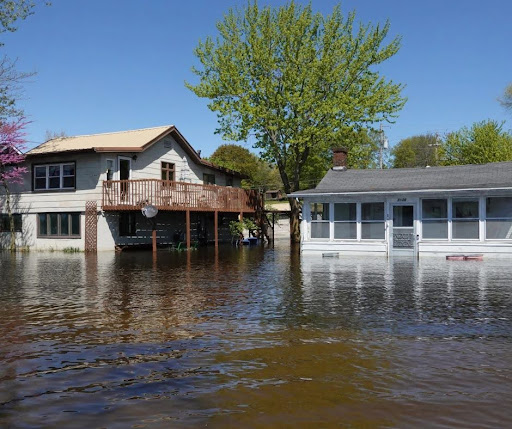
Not all flood coverage rules are created same, and know-how the bounds of your coverage is crucial. A not unusual misunderstanding is that flood insurance will update the whole thing lost in the course of a flood—this is hardly ever the case.
Policies frequently cover the shape of your own home and essential structures, along with plumbing and electrical, as much as a targeted dollar amount. Contents coverage—safety for private assets—might also require a separate coverage or endorsement. Additionally, there are often exclusions for items saved in basements or beneath-grade areas.
Carefully studying your coverage and talking with an coverage agent about coverage gaps is crucial. Knowing what’s included allow you to make knowledgeable decisions approximately what to protect with flood-resistant storage, what to transport to higher flooring, and whether to pursue supplemental insurance for treasured possessions or precise risks.
Conclusion:
Flood coverage is essential for anyone living in high-risk areas, but it doesn’t have to come with overwhelming costs. By understanding how flood zones are defined, exploring both government and private options, and working with reputable flood insurance companies Florida residents trust, you can find a balance between protection and affordability. Strategic planning and mitigation can lower premiums and increase resilience. While you can’t control the weather, you can control how prepared you are—making affordable flood coverage a smart, attainable part of responsible homeownership.





 Idea Sprout News
Leave a comment