
The demand for ecological responsibility is more pressing in a time when pollution, climate change, and environmental damage rule headlines and endanger world well-being. But among political arguments and scientific warnings, a strong and sometimes underestimated voice has been central in environmental activism—that of progressive churches. These religious groups are rethinking what it means to be stewards of the Earth, entwining spirituality with social duty, and exhorting their followers to be planet caregivers.
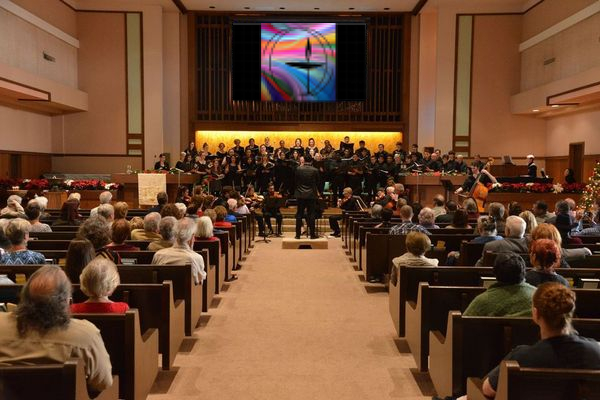
Among the several progressive faith groups spearheading this movement, Unitarian Universalist churches are unique. Grounded in a spiritual system honoring the interdependent web of all life, Unitarian Universalists have long recognized ecological justice as a moral requirement. Their activity is to change how people and communities see their relationship with the planet, not only about lowering carbon footprints or recycling. By doing this, progressive churches are influencing not only how current environmental problems are handled but also how next generations will view and handle the demands of the earth.
The Ethical Foundations of Progressive Churches
Reclaiming Stewardship as Sacred Responsibility
The basic manifestation of religion in the movement headed by progressive churches is the belief that caring for the Earth is not apart from spiritual life. These people see respect for life as including all living entities, as well as ecosystems. Progressive churches see ecology as a moral calling, a deed of love and thanks for the earth that keeps us alive, not as a political objective. Those who search for meaning and direction through faith will find great resonance in this religious viewpoint’s call to action.
Congregations of Unitarian Universalists best illustrate this approach. Their spiritual values—especially the eighth principle, “Respect for the interdependent web of all life of which we are a part”—have helped them to be committed to ecological justice. This idea confirms that people are essentially linked to nature rather than apart from it. Environmental damage thus becomes not only a spiritual wound needing healing via group care, advocacy, and transforming action but also a crisis of policy or economics.
Shaping a Moral Vision for Climate Justice
Progressive churches often contrast with more conventional Christian institutions that might ignore environmental problems or see them as secondary to spiritual concerns. In progressive communities, nevertheless, climate justice is fundamental. They underline how disproportionately affected underprivileged communities—especially those already suffering poverty, racism, and systematic injustice, pollution, deforestation, and climate change.
These churches provide a much-needed ethical perspective to the worldwide dialogue by orienting environmental activity through the prism of equality and compassion. Renowned for its dedication to justice and inclusivity, the Unitarian Universalist tradition has evolved into a major advocate for laws and initiatives aiming at not only environmental effects but also the social and human consequences of ecological neglect.
Action Through Education and Community Engagement
Inspiring Environmental Literacy and Awareness
Education is one of the most powerful means progressive churches help to shape the direction of environmental movement. Through seminars, discussion groups, and sermons on environmental issues, they enable members to grasp the facts behind climate change and the moral consequences of delay. These dialogues challenge one to consider lifestyle, values, and long-term effects going beyond basic knowledge.
In Unitarian Universalist groups, this usually entails including environmental topics in all-age religious instruction. Stories and activities that inspire compassion for all living things help youngsters learn about ecosystems, conservation, and environmental ethics. Adults are asked to investigate the spiritual sides of sustainability, question consumer behavior, and dedicate themselves to activities that help the earth become healthier. These teachings are carried out in the daily decisions and obligations of the society, not just in classrooms.
Leading Local and Global Activism
Progressive churches are centers of activity as well as spaces for contemplation. Congregations all throughout the nation plan climate marches, back green energy projects, and local and national policy campaigning. From solar panels to composting initiatives, these churches regularly work with environmental organizations, plan community clean-up events, and make investments in sustainable infrastructure.
Leaders in this field have especially been Unitarian Universalist congregations. Many UU churches have embraced thorough sustainability plans, turning their structures into environmentally friendly areas and selling off their fossil fuel interests. These deeds are considered as necessary representations of their spiritual identity rather than as optional extras. UU churches act as models for how faith institutions could be instrumental in influencing environmental policy and motivating grassroots movement.
Cultivating Hope and Resilience in the Face of Crisis
Spiritual Grounding for Climate Anxiety
Many people, especially young people, suffer great concern and sadness over the future of the earth as the climate catastrophe gets more severe. Progressive churches provide spiritual grounding—something that political activity and scientific studies by themselves usually cannot do. These groups foster optimism and bravery while allowing one to handle uncertainty, loss, and fear.
Worship events in Unitarian Universalist settings sometimes feature thoughts on regeneration, reflections on our relationship to the Earth, and upbeat music meant to uplifting the human spirit. Water communion ceremonies or Earth Day celebrations enable individuals to re-connect with nature in ways that are emotionally and spiritually nouraging. UU congregations enable people to pass through hopelessness into action by designating sacred space for these emotions.
Building Intergenerational Momentum for Change
Progressive churches also have great power to involve people of all ages in environmental campaigning. From small toddlers tending to plants to senior citizens penning letters to legislators, these groups show intergenerational teamwork. By doing this, they transmit ideals of compassion, accountability, and hope, therefore guaranteeing that environmental activism is not a transitory fad but a legacy.
Young people in leadership roles are common in Unitarian Universalist congregations, which inspire them to speak out, plan activities, and help to define the environmental agenda of the church. Young people who experience this empowerment develop confidence and agency, therefore enabling them to feel that their voices count. And as they flourish, they bring these ideals into the larger world—into their colleges, jobs, and civic life—so increasing the influence of progressive churches for environmental transformation.
Conclusion
Given one of the most serious issues society faced in its past, the importance of progressive churches in environmental campaigning is impossible to overestimate. By way of a special mix of spiritual grounding, ethical clarity, and community-driven action, these churches are redefining what it means to be stewards of the Earth. They provide not just doable fixes but also a moral compass that will help people and couples toward decisions that respect the interdependence of all life.
Unitarian Universalist groups are guiding among the several voices in this movement. Their strong friends in the struggle for a sustainable future are focused on justice, inclusion, and respect of the natural environment. UU members are creating a new vision for faith in action in their sanctuaries, gardens, classrooms, and protest lines: one that sees environmental activity not only as a responsibility but as a sacred mission.
Progressive churches are sowing the seeds of a better future by tending to the soul as well as the ground: a future anchored in compassion, formed by collective wisdom, and sustained by the hope that a more equitable and harmonic society is attainable.







 Idea Sprout News
Leave a comment