
Log cabins encompass rustic splendor and timeless appeal, offering cozy retreats in the heart of nature. Whether nestled in the woods or perched by a tranquil lake, these structures create an inviting haven from modern life. However, behind their warmth and sturdy appearance lies a unique demand for care that sets them apart from traditional homes. Without routine log cabin maintenance, the very features that make log cabins so charming—natural wood, exposed beams, and handcrafted textures—can quickly become vulnerabilities. Weather, pests, and moisture are just a few elements that can silently cause damage if left unaddressed. Regular log cabin maintenance isn’t just a good practice—it’s a crucial investment in your cabin’s longevity and structural integrity. Neglecting it can lead to hidden deterioration, expensive repairs, and even major structural issues that could have been avoided. This blog explores how proactive maintenance safeguards your investment, protects the cabin’s aesthetic, and keeps future repair costs to a minimum.

Understanding How Weather Exposure Threatens Log Cabin Integrity Over Time
One of the maximum huge threats to a log cabin’s structural fitness is its steady publicity to the factors. Unlike conventional homes with brick or vinyl exteriors, log cabins rely on wooden as each their defensive shell and structural center. This natural fabric is specifically at risk of weather fluctuations. Over time, sun exposure can reason logs to dry out, crack, and fade. Rain, snow, and humidity deliver their personal set of challenges, leading to moisture buildup, swelling, and ultimately rot.
Seasonal temperature shifts additionally purpose logs to expand and agreement, that can result in the separation of joints, widening of gaps, and lack of insulation. These reputedly small shifts can in the end compromise the cabin’s capability to keep out water and pests. Regular inspections assist perceive early symptoms of wear, including warping or water stains, allowing owners to act earlier than the issues increase. Sealing, staining, and caulking at appropriate durations guarantees that logs continue to be blanketed, each aesthetically and functionally, no matter the climate situations.
Recognizing the Role of Moisture Control in Preventing Structural Damage
Moisture is possibly the single best enemy of log systems. Even minimal water infiltration can lead to devastating consequences if now not addressed promptly. Damp logs are breeding grounds for rot, mould, and mildew. These issues now not best jeopardize the integrity of the logs but additionally impact indoor air high-quality and occupant fitness. Poor drainage around the inspiration or clogged gutters can result in water pooling near the base of the shape, growing the threat of long-time period harm.
Maintaining proper moisture manage calls for a multifaceted approach. Roof overhangs must be prolonged to direct water away from partitions, while downspouts and drainage structures want to be stored smooth and useful. Regularly checking for symptoms of water intrusion—which include musty odors, gentle spots on logs, or discoloration—can alert homeowners before structural issues grow to be irreparable. When stuck early, simple repairs consisting of re-caulking, re-staining, or changing small sections of damaged logs can prevent the need for pricey, large-scale recuperation down the road.
Examining How Insect Infestation Can Compromise the Lifespan of Logs
Insects and pests pose any other silent danger to log cabins, with timber-dull beetles, carpenter ants, and termites main the listing of commonplace culprits. Because the whole shape consists of wood, even minor infestations can result in enormous damage if left unchecked. Once insects infiltrate the logs, they can tunnel through the wood, weakening the structural integrity and leaving the cabin susceptible to crumble in intense cases.
Routine pest inspections are an important part of normal preservation. Identifying early signs and symptoms—inclusive of tiny holes, sawdust-like frass, or tapping sounds inside the partitions—could make all the difference. Applying insect-resistant stains and sealants, trimming back vegetation close to the cabin, and storing firewood far from the shape are all sensible steps that lessen the threat of infestation. In cases wherein pests have already taken maintain, activate remedy by a expert can reduce the harm and store heaps in destiny repair costs.
Understanding the Importance of Staining and Sealing to Preserve Wood Quality
Staining and sealing are frequently viewed as aesthetic alternatives, but they play a far greater critical function in maintaining a log cabin’s circumstance. These protective layers function boundaries towards sun harm, moisture infiltration, and insect pastime. Over time, but, even the highest-exceptional sealants ruin down under publicity to UV rays, wind, and rain. When this defensive coating begins to fail, the logs are left defenseless.
Reapplying stain and sealant every few years is an important a part of regular preservation. The specific frequency can depend on climate, cabin vicinity, and the pleasant of the preceding utility. A well sealed cabin repels water, retains its rich timber tone, and reduces the want for future repairs. Ignoring this step, then again, can boost up the getting older system and result in high-priced healing work, consisting of log alternative or complete re-sanding of the structure. Taking the time to reseal logs mechanically ensures both sturdiness and visible enchantment.
Exploring How Regular Chinking and Caulking Prevents Interior Damage
Chinking and caulking serve the crucial characteristic of sealing gaps among logs, assisting to insulate the cabin and save you the intrusion of water, air, and pests. These materials are designed to amplify and settlement with the logs, however through the years they could crack, peel, or detach from the floor. When this occurs, it creates possibilities for moisture and air to enter the structure, decreasing electricity performance and selling internal damage.
Routine preservation tests need to include near inspection of all seams, corners, and joints. Even minor separations can lead to foremost results if ignored. Repairing or replacing deteriorated chinking and caulking is surprisingly inexpensive compared to the long-time period fees associated with mould remediation, multiplied heating bills, or wall rot. In bloodless climates, this preventative degree additionally enables to retain warmth, ensuring the cabin remains snug and yr-spherical without the want for overworking heating structures.
Analyzing the Financial Benefits of Proactive Maintenance Compared to Major Repairs
Many log cabin owners put off preservation as a way to store money, however this brief-time period wondering can cause massive lengthy-term fees. The fee of recurring protection—together with staining, inspections, or pest remedies—pales in evaluation to the financial burden of big-scale upkeep. Replacing entire sections of logs, addressing structural rot, or restoring a compromised foundation can fee tens of thousands of dollars and require weeks or months of work.
Regular upkeep no longer best prevents those eventualities however also extends the existence of the cabin, growing its ordinary value. It preserves the cabin’s look, protects in opposition to depreciation, and gives peace of thoughts to the owner. Moreover, properly-maintained cabins regularly have better resale prices and are less difficult to insure. In many instances, consumers and coverage retailers are greater willing to accept as true with assets with a documented maintenance history, reducing liability and speeding up transactions. The choice becomes clear: make investments a bit now to save lots later.
Emphasizing the Role of Seasonal Inspections in Long-Term Preservation
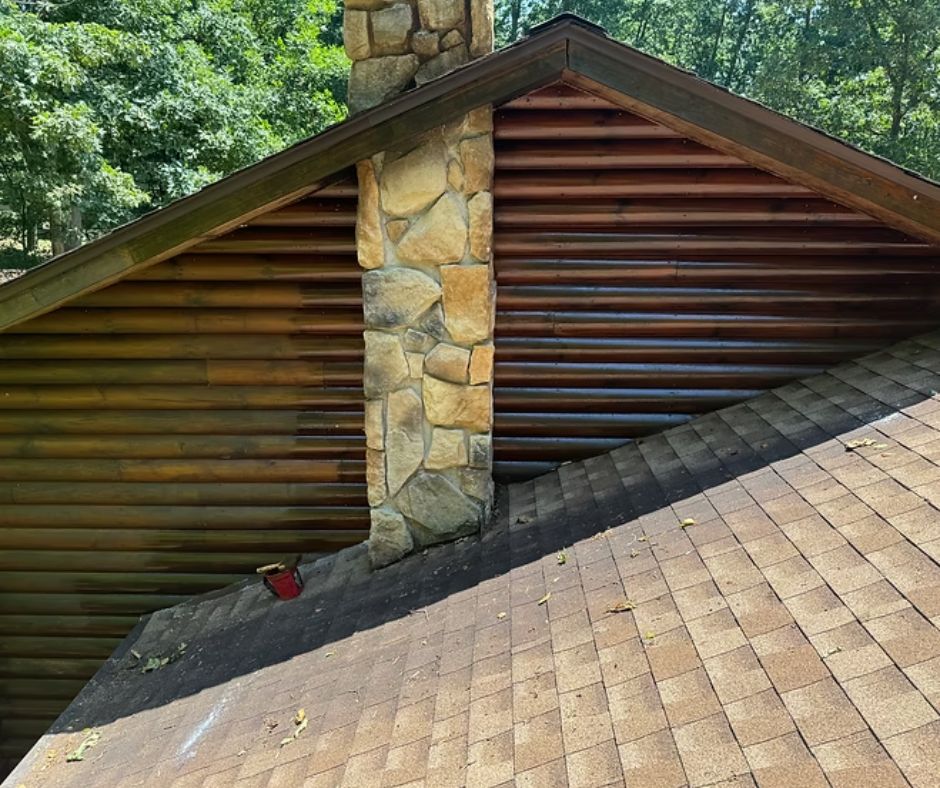
Seasonal inspections are one of the best yet only kinds of log cabin renovation. Conducting a radical review of the cabin’s situation before and after intense climate seasons—inclusive of winter and summer—allows perceive vulnerabilities that may not be apparent for the duration of slight situations. Look for symptoms of insect pastime, sealant failure, water harm, or log separation. Make be aware of any changes in smell, appearance, or texture that might sign deeper troubles.
These inspections have to additionally encompass the roof, foundation, deck, and surrounding panorama. Each of those factors can have an effect on the cabin’s health, either by contributing to moisture retention or facilitating pest access. By growing a checklist and keeping detailed data of every inspection, cabin owners can spot traits and cope with issues in a well-timed, cost-powerful way. Preventative motion at some point in seasonal transitions can prevent minor troubles from snowballing into major maintenance.
Conclusion:
A log cabin is more than just a building—it’s a personal retreat, a legacy, and often a dream come true. However, this dream comes with responsibilities that go beyond those of a traditional home. The natural materials that create such warmth and beauty are also uniquely vulnerable to environmental wear, pests, and moisture. Regular maintenance is not just about preserving appearance; it’s a strategic, cost-saving approach to protecting a valuable asset. When issues arise, such as wood decay, timely log cabin repair rotten logs becomes essential to prevent further damage and restore structural integrity. By prioritizing weather protection, moisture control, pest prevention, sealing, chinking, and seasonal inspections, homeowners can avoid the devastating financial and structural consequences of neglect. These tasks may seem routine or even tedious, but they are the foundation of long-term cabin health. In the end, a well-maintained log cabin not only stands the test of time—it continues to offer the warmth, comfort, and connection to nature that inspired its creation in the first place.






 Idea Sprout News
Leave a comment