
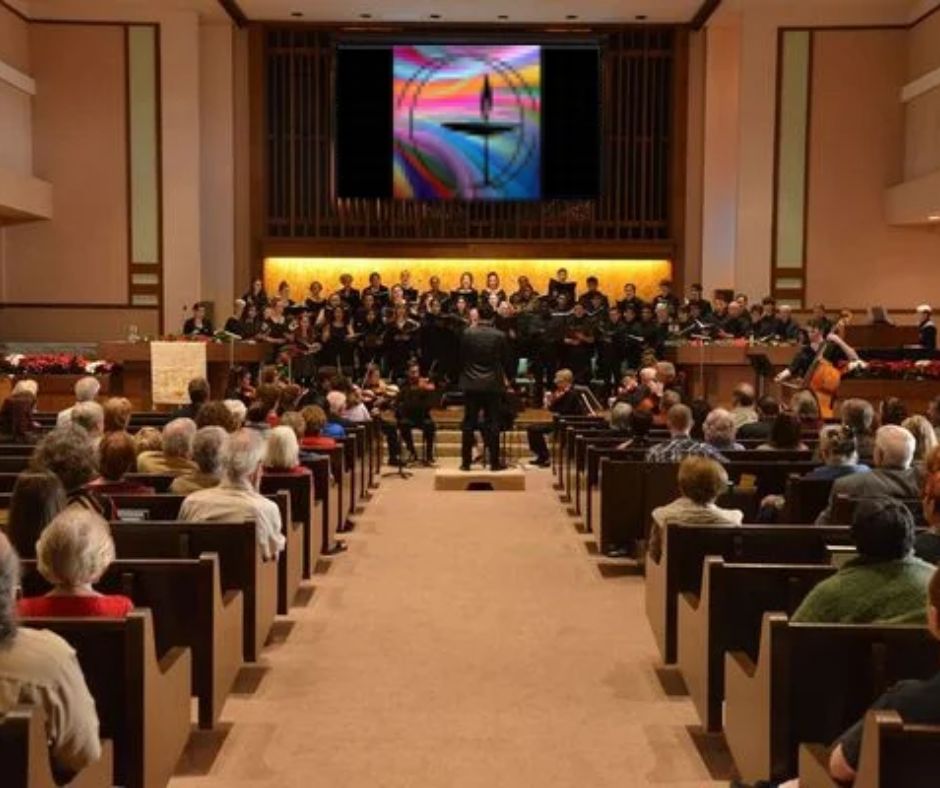
In today’s complex international, the intersection of spirituality and activism has become more crucial than ever. While religious and nonsecular traditions range widely, many groups are united by means of a shared dedication to improving society. One of the most effective ways non secular groups contribute to greater excellence is through the merchandising of social justice. Grounded in compassion, fairness, and a belief in human dignity, these organizations work tirelessly to address systemic inequalities. Central to many of these efforts is the philosophy of humanism, which places human welfare and ethical duty at the core of spiritual exercise. Within this framework, Unitarian Universalist groups exemplify how religious agencies can take a leading position in advancing justice and fostering inclusive development.
The Connection Between Spirituality and Justice
Ethical Foundations of Spiritual Communities
Spiritual communities frequently draw their purpose from core ethical teachings—standards such as love, kindness, fairness, and the inherent worth of every character. These teachings serve as the muse for engagement with social justice. Whether it’s status in opposition to poverty, advocating for marginalized corporations, or systemic racism, spiritual communities see such actions as expressions of their religion and values.
From Worship to Action
While worship, meditation, or prayer may be the maximum seen elements of nonsecular existence, these practices frequently inspire deeper commitments to justice. The transition from non-public reflection to collective movement is a natural extension of the religious boom. For many communities, religion is not simplest about inner peace but also approximately creating a greater, simpler, and compassionate global.

Humanism and Its Role in Social Justice
What Is Humanism?
Humanism is a philosophical outlook that emphasizes purpose, empathy, and human enterprise in preference to divine authority. It encourages people to take responsibility for growing their lives and to strive for the betterment of humanity. Rooted within the perception that humans can shape a simple society, humanism aligns with many social justice desires.
Humanism in Spiritual Communities
Contrary to the perception that humanism is only secular, many religious groups embrace humanistic concepts as a central part of their venture. These communities focus on actual-world issues, empowering individuals to project injustice through ethical reasoning and collective movement. Humanism enhances spiritual values by means of prioritizing empathy, appreciation, and the pursuit of equality.
The Unitarian Universalist Commitment to Justice
Who Are Unitarian Universalists?
Unitarian Universalist groups are regarded for his or her inclusive technique to spirituality, combining thoughts from distinctive religious and philosophical traditions. They no longer adhere to an unmarried set of ideals however as an alternative to inspire people to seek their religious paths whilst committing to shared ethical values. At the heart of Unitarian Universalism is a deep determination to justice, equity, and compassion.
Justice as a Spiritual Practice
For Unitarian Universalists, running in the direction of social justice isn’t a separate or elective enterprise—it’s miles a critical part of spiritual life. They have interaction in activism now not just as a civic responsibility but as a shape of worship. This dedication is reflected in their assistance for causes inclusive of environmental justice, LGBTQ+ rights, racial fairness, and financial equity.
Building Inclusive Communities
Creating Safe and Affirming Spaces
Spiritual groups that are grounded in humanism and inclusive philosophies try to create safe environments where every person feels welcome. These areas often function as refuges for those who have skilled discrimination, alienation, or oppression. By fostering inclusive dialogue and embracing range, religious groups can version the kind of society they wish to build.
Education and Awareness
Promoting social justice begins with expertise. Many groups host instructional forums, workshops, and discussions to elevate recognition of social troubles. This education empowers participants to apprehend injustice and make informed motions. Humanistic values play a key position in this procedure, encouraging critical questioning and ethical engagement with complicated challenges.
Collaborating for Change
Partnerships and Outreach
Spiritual communities frequently paint with other companies, each nonsecular and secular, to magnify their effect. These collaborations are rooted in shared goals and mutual appreciation. Whether it’s advocating for policy reform, collaborating in protests, or organizing food drives, such efforts exhibit the collective power of values-based total action.
Supporting the Marginalized
A valuable tenet of social justice is standing in solidarity with folks who are most suffering from injustice. Spiritual groups can extend the voices of marginalized people by using imparting platforms for storytelling, network-building, and advocacy. By centering human reviews and declaring every person’s worth, these groups deliver humanism to lifestyles in tangible ways.

Spiritual Growth Through Justice Work
Transforming Individuals and Communities
Engaging in social justice paintings through a nonsecular lens often ends in profound personal transformation. Individuals develop extra empathy, recognition, and a stronger feeling of purpose. At the same time, communities develop nearer, greater resilient, and extra united in their project. This transformation isn’t the most effective religion—it’s far more social and cultural, affecting how humans relate to each other and the world around them.
Sustaining Hope and Action
Social justice paintings can be hard and emotionally draining, specifically when development feels slow. Spiritual groups provide a supply of strength and desire, reminding individuals of the extra vision they’re running closer to. By integrating humanism and spiritual practice, groups maintain lengthy-term engagement and inspire contributors to retain showing up, even when challenges arise.
Conclusion
Spiritual groups have long been at the vanguard of actions for justice, equality, and compassion. Through values rooted in humanism and the inclusive spirit of Unitarian Universalist traditions, they offer an effective example of the way faith and activism can coexist. These communities remodel worship into action, promote inclusive values, and empower individuals to make a distinction. As the arena keeps grappling with social and moral challenges, the role of nonsecular communities in advancing justice remains as essential as ever. By standing up for human dignity and working together for change, they assist create a global that reflects the quality of our shared values.







 Idea Sprout News
Leave a comment