
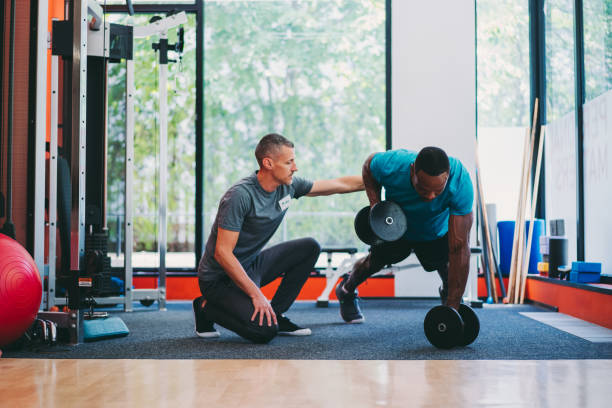
Every fitness trainer knows that one of the most critical parts of any training session isn’t the equipment, the sets, or even the workout plan — it’s the cueing. That little voice guiding movement, offering subtle adjustments, and making sure that a client’s form stays sharp — that’s where real coaching magic happens. For anyone enrolled in a fitness trainer course, mastering the art of delivering technique cues can mean the difference between a safe, empowering session and a visit to the physio.
Let’s dig into what makes cueing not just useful, but essential — and how to deliver it like a pro.
The Power of the Perfect Cue
A well-timed, well-phrased cue is like a lighthouse in foggy waters. It keeps your client heading in the right direction. But here’s the catch — everyone processes cues differently. Some people need vivid imagery (“pretend there’s a string pulling the top of your head up”), while others want anatomical precision (“engage your glutes and tuck your pelvis slightly”).
This is where understanding learning styles, something often emphasized in a fitness trainer course, becomes incredibly valuable. Visual, auditory, and kinesthetic learners all require a different kind of instruction. And no, one-size-fits-all doesn’t cut it here.
Use Simplicity to Your Advantage
Ever tried correcting someone mid-deadlift with a three-sentence breakdown of lumbar spine alignment? Not only is it confusing, but it’s also too late. Good cueing is simple. It’s short. It happens at the right moment. Instead of saying “engage your core and remember to stabilize your spine to protect your lower back,” try:
“Brace like someone’s about to punch you in the stomach.”
Not only is that more memorable, but it also triggers an instinctive response. That’s efficiency right there.
Build a Toolbox of Visual Cues
Here’s something every experienced coach learns — the best cues aren’t always scientific. They’re often weird, funny, or metaphorical.
Think:
- “Squeeze the floor with your feet.”
- “Crack a walnut between your shoulder blades.”
- “Imagine balancing a glass of water on your back.”
These stick better than textbook language. Clients remember them because they’re unique, a little silly, and totally effective. If you’re going through a personal training course, make a habit of writing down these kinds of cues when you hear them — from mentors, videos, even other clients. You’ll be surprised how quickly your cueing vocabulary grows.
Know When to Speak — and When to Zip It
One of the biggest mistakes newer trainers make is over-cueing. Correction overload leads to confusion and hesitation. Sometimes, the best thing you can do is wait and observe. Let the client move, see what needs adjusting, and offer one simple fix. Just one. Then reassess.
Here’s the real trick: prioritize. What’s the biggest issue affecting safety or performance? Fix that first. The minor things? They can wait for set two or even the next session.
Touch, If Appropriate (And Legal)
Tactile cueing — like tapping a muscle to engage or gently guiding a limb — can be powerful. But always ask permission first. Touch should enhance communication, not cause discomfort. And yeah, in some places, it might not be allowed at all, so knowing the boundaries (something covered in any reputable fitness trainer course) is key.
Tone, Timing, and Trust
Tone matters. Barking out cues like a drill sergeant might work for some clients but will rattle others. Be adaptable. If a client is struggling, a calm and encouraging tone might be the thing that helps them nail the movement. And timing? Crucial. Too early, and they forget. Too late, and it’s irrelevant. Cue just before the movement starts, and reinforce as needed.
Building trust is also part of it. When clients believe your cues lead to better performance and fewer injuries, they listen more closely. Over time, this builds not only stronger form but stronger relationships too.
Final Thoughts
Cues aren’t just corrections — they’re coaching in its purest form. Every time a trainer helps a client tweak their form, activate the right muscle, or avoid unnecessary strain, they’re shaping a safer, more effective workout. That’s the kind of skill that separates someone who went through the motions from someone who truly mastered their fitness trainer course.
And remember — even the most seasoned coaches are still learning new ways to cue. Watch other trainers, take notes, test what works, and drop what doesn’t. It’s all part of becoming the kind of trainer people trust with their goals — and their health.
Because at the end of the day, a smart cue can do more than fix a squat. It can prevent an injury. It can spark confidence. It can turn a “can’t” into a “heck yes, I just did that.”
Isn’t that what this job’s really about?
So whether you’re brushing up from a recent personal training course or learning on the floor day by day, remember — keep cueing smarter, not louder.







 Idea Sprout News
Leave a comment