
In today’s world of fast food, factory farming, and synthetic additives, many families are searching for a better, more honest way to nourish their bodies. For some, the answer lies in going back to the roots—back to the land, the soil, and the animals raised on it. Grass-fed beef represents more than a buzzword or trendy label; it reflects a deeper commitment to health, sustainability, and the age-old relationship between humans and the land. Across cow farms near Texas, this philosophy is alive and thriving, with ranchers prioritizing the welfare of their animals and the integrity of the food they produce.
The journey of grass-fed beef—from the open pastures where livestock roam to the plates of mindful consumers—is one filled with care, patience, and purpose. It is a journey shaped by respect for nature, dedication to animal welfare, and a belief in wholesome, nutrient-rich food that feeds not only the body but also the soul.

The Beginning: Life on the Pasture
The story begins in wide, open fields in which cattle are not restrained but allowed to live obviously, grazing on local grasses below the solar. These pastures are managed with aim, ensuring that the soil stays wholesome and that rotational grazing practices are in region. Cattle raised on pasture enjoy freedom of movement, smooth air, and a herbal weight-reduction plan that promotes finest health. This technique of farming takes extra time and effort than traditional feedlots, but the results are worth it—each for the animals and the land. Healthy soil produces nutrient-dense grass, which in flip nourishes the animals that graze upon it. It’s a residing cycle, an interconnected device that honors the Earth’s rhythms rather than exploiting them.
Animal Welfare at the Core
At the coronary heart of grass-fed red meat production is a deep appreciate for animal welfare. These cattle aren’t pumped complete of antibiotics or growth hormones. They are not restrained in small pens or separated from their herbal behaviors. Instead, they develop at a herbal pace, dwelling in a low-pressure surroundings that supports their nicely-being. This ethical remedy now not most effective blessings the animals however also interprets into better high-quality meat. Stress in animals can negatively have an effect on the flavor, texture, and dietary cost of the red meat, making humane practices important now not just from a moral perspective however also a culinary one. The end result is a product that carries with it a story of compassion and care.
The Role of Sustainable Farming Practices
Raising grass-fed red meat is not just about the cattle—it’s approximately the entire ecosystem. Sustainable practices are vital to maintaining the land for destiny generations. Farmers devoted to producing grass-fed pork frequently work in harmony with the seasons, the usage of cowl crops, rotating pastures, and keeping off chemical insecticides and fertilizers. These practices build more healthy soil, boom biodiversity, and decrease environmental effect. When controlled responsibly, pastures can act as carbon sinks, helping to draw down atmospheric carbon dioxide and contribute to the fight towards weather alternate. The entire process stands in stark comparison to industrial techniques that degrade the land and pollute waterways. Grass-fed beef, therefore, isn’t only a higher preference in your health—it’s a higher desire for the planet.
Harvesting with Integrity
The transition from pasture to processing is one which requires notable care and thoughtfulness. Humane slaughter practices are employed to minimize strain and pain. Small-scale processing centers often paintings with nearby farms, ensuring traceability and preserving first-rate control at some stage in the process. Unlike the huge industrial operations that prioritize pace and profit, those processors are targeted on doing matters the proper way. Every step, from coping with to packaging, is performed with integrity and transparency. This attention to detail preserves the purity of the product and ensures that what arrives in your desk is as close to nature as feasible.
Nutritional Powerhouse on Your Plate
Grass-fed pork is more than just meat—it is a nutritional powerhouse. Studies have proven that it contains higher stages of omega-three fatty acids, conjugated linoleic acid (CLA), and critical vitamins like A and E as compared to grain-fed red meat. The leaner fat profile and shortage of artificial components make it a healthier alternative for individuals and households alike. It supports heart health, boosts the immune system, and can be an brilliant component of a balanced food regimen. Beyond its spectacular nutrient content material, there’s a richness of flavor that comes from cattle raised on grass. The meat tends to be more strong, with a deeper, earthy taste that displays the natural environment wherein the animals had been raised. It’s a taste which can’t be replicated in a lab or conjured with artificial seasoning—it comes from actual meals grown the right manner.
Connecting the Consumer to the Source
Perhaps one of the most effective elements of the grass-fed pork journey is the relationship it fosters between the client and the supply of their meals. In a global where maximum human beings are a long way removed from where their meals come from, shopping for pasture-raised beef is a manner to bridge that hole. It invitations people to assume extra deeply about the alternatives they make inside the grocery store or at the butcher counter. When humans apprehend how their food is raised, they frequently broaden a greater appreciation for it. That connection inspires mindfulness, gratitude, and a renewed dedication to fitness. It additionally supports neighborhood farms, allows make stronger rural economies, and preserves traditional agricultural practices that have nourished communities for generations.
More Than a Meal: A Return to Wholeness
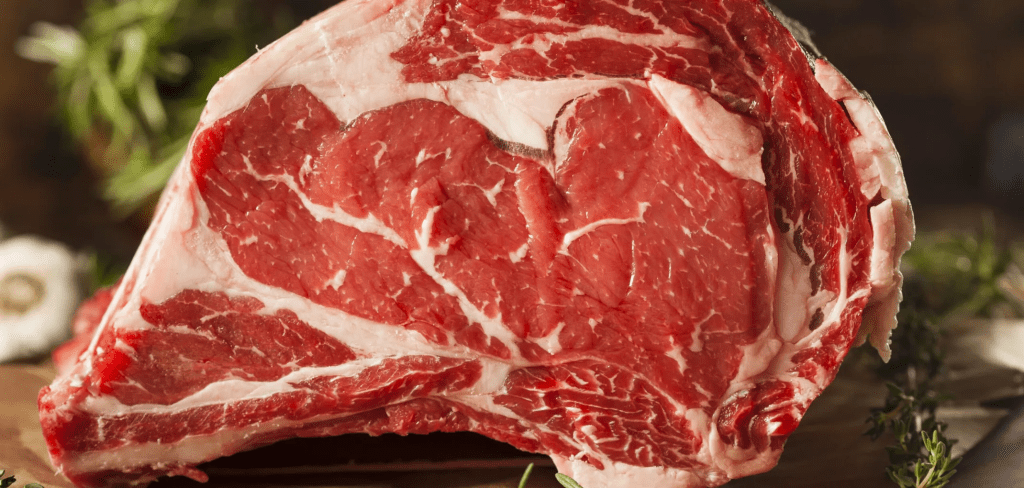
The adventure of grass-fed beef isn’t always just about meals—it is about values. It represents a conscious return to simplicity, excellent, and authenticity in an age of mass manufacturing and comfort. For households searching for to feed their loved ones with integrity, grass-fed red meat gives peace of mind. It tells a story of land properly-stewarded, animals well-dealt with, and those well-nourished. Each steak, roast, or burger incorporates with it a legacy of intentional dwelling and respect for nature. Choosing grass-fed red meat is a small act with large which means—it’s a selection that ripples outward, influencing fitness, the surroundings, and the world we depart in the back of.
Conclusion
From the first bite of a grass-fed steak to the dawn over a dew-covered pasture, there is a quiet beauty in the full circle of this journey. It’s a path shaped by patience, guided by principles, and driven by a belief that food should heal, not harm. As more people turn to grass-fed beef, they’re not just making a dietary choice—they’re becoming part of a larger movement toward ethical farming, sustainable living, and true nourishment. This is more than a trend. It is a return to what truly matters. The journey of farmers fresh meat is a reminder that good food begins long before it hits your plate—and that, in choosing it, you are choosing something deeply good for the world.







 Idea Sprout News
Leave a comment