
In the vast world of mycology, where ancient fungi meet modern curiosity, few discoveries stir as much intrigue as the India Orissa mushroom. Emerging from the tropical soils of eastern India, this mushroom is not merely a specimen of biological interest—it has become a symbol of nature’s mysterious brilliance. Its striking physical features, remarkable adaptability, and deep cultural significance are now drawing attention from researchers, hobbyists, and mushroom enthusiasts across the globe. As science delves deeper into the complexities of the fungal kingdom, the India Orissa mushroom stands out not only for its unique traits but also for its representation of regional biodiversity and ancestral heritage. This is not just another mushroom to catalog; it’s a mycological experience—a living bridge between the sacred past and the scientific future. In an era where the search for resilient, potent, and fascinating fungal species is gaining momentum, the India Orissa mushroom is quickly becoming a niche of both reverence and exploration.
Rooted in Rich Soil: Origins and Regional Legacy
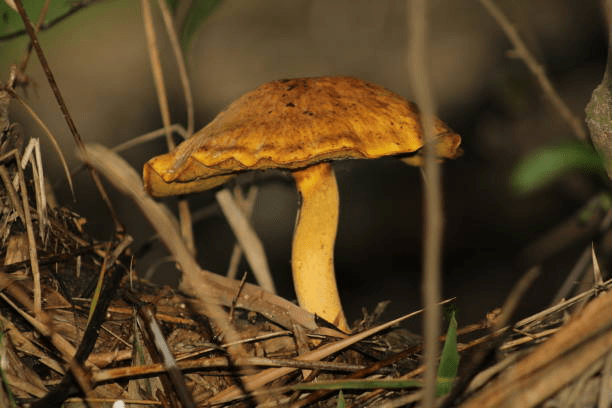
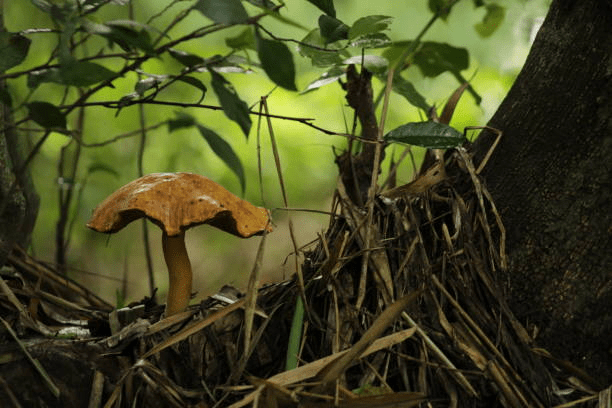
The India Orissa mushroom unearths its beginning within the eastern kingdom of Odisha (formerly Orissa), a place recognized for its historic temples, tribal traditions, and deep connection with the earth. Unlike business or closely cultivated varieties, this mushroom is born in wild and untamed surroundings. The tropical climate, monsoon-fed soils, and dense plants of the location create an excellent microcosm for mushroom growth—in particular for sorts that thrive beneath excessive humidity and nutrient-rich decay.
The cultural backdrop of Odisha similarly enhances the mystique surrounding this mushroom. In tribal and rural groups, foraging for mushrooms is more than a seasonal activity—it is a ritual passed down through generations. Certain wild mushrooms are seemed with reverence and fed on for his or her supposed spiritual and medicinal value. While contemporary technological know-how keeps to assess those claims, such traditions add another layer to the story of the India Orissa mushroom, anchoring it deeply inside both natural and cultural ecosystems.
Aesthetics and Behavior: The Traits That Enthrall
What sets the India Orissa mushroom apart from different varieties is its remarkable look and wonderful developmental behavior. Known for its robust and fast colonization, this mushroom flourishes in nutrient-dense substrates and presents a competitive but stable boom pattern that many cultivators find profitable. It normally produces thick, resilient mycelium that allocates its energy and adaptability—developments which can be increasingly more valued in each amateur and professional developing circles.
Its fruiting body frequently shows a visible form: tall, thick stems supporting well-formed caps that range in hue depending on environmental elements. The caps can exhibit creamy to light golden sun shades, and their surfaces regularly glisten with moisture, a testament to their energy and robustness. The assessment among the dense, fibrous stalk and the stylish curvature of the cap offers it a sculptural splendor that is hard to disregard.
Additionally, this pressure indicates resilience in opposition to contaminants, which makes it a favored difficulty for cultivation in varying climates. Such tendencies aren’t merely of aesthetic price—they speak to the mushroom’s evolutionary gain and genetic fortitude, similarly fueling the intrigue among scientists and enthusiasts alike.
Scientific Fascination: What Makes It Unique to Researchers
Mycologists are drawn to the India Orissa mushroom not simply because of its bodily traits, but due to what it represents from an organic and ecological viewpoint. Its genetic lineage guidelines at local isolation, which may additionally have contributed to the improvement of developments not normally determined in other famous lines. Its fast colonization abilities and high yields under a number of situations make it a promising candidate for deeper observation—especially in areas of fungal resistance, substrate compatibility, and mycoremediation capability.
Preliminary studies recommend that stress might have adaptive mechanisms that allow it to thrive even in nutrient-compromised environments. Such resilience is of sizeable interest in ecological restoration and sustainable agriculture, in which fungi are increasingly being deployed as tools to complement soil, recycle waste, and combat degradation. The India Orissa mushroom, with its competitive yet solid growth profile, might well come to be a key player in these green missions.
Its unique improvement patterns, in particular its strong rhizomorphic mycelium and fast colonization of substrates, also make it a topic of interest in laboratory situations. Whether being utilized in spore research, lifestyle isolation, or comparative morphology studies, this mushroom gives a wealth of scientific facts waiting to be explored.
The Global Appeal: From Local Wonder to Worldwide Curiosity
The mushroom’s upward thrust to prominence is not limited to the research community. Around the world, interest cultivators and seasoned mycophiles are increasingly taking notice. The mushroom’s recognition for instant and clean increase makes it attractive for home labs and educational initiatives. Its local starting place additionally adds to its desirability, as many lovers experience collecting and studying strains from numerous and distinct locales. The India Orissa mushroom, in this feel, is more than a biological entity—it turns into a conversation piece, a travelogue, and a hyperlink to part of the world nonetheless cloaked in herbal thriller.
Social media platforms and mushroom forums are abuzz with snapshots, anecdotes, and cultivation notes surrounding this specific strain. For many, it represents the appropriate blend of beauty, strength, and novelty. As a hobby in mushrooms keeps to grow—fueled with the aid of the worldwide movement towards wellbeing, sustainability, and natural fitness—sorts like the India Orissa mushroom are taking center stage.
The fascination additionally displays a broader shift in the international of mycology: a movement away from Western-centric perspectives and in the direction of a more inclusive, global appreciation of fungal biodiversity. Mushrooms from Asia, Africa, and Latin America are being rediscovered and celebrated now not only for their use, however for their history and ecological position. The India Orissa mushroom embodies this shift—standing proudly as a representative of India’s wealthy and regularly underappreciated natural wealth.
Ethical Foraging and Cultivation: A Responsibility Toward Nature
As the mushroom garners extra interest, discussions around ethical foraging and sustainable cultivation come to be increasingly essential. Wild populations should never be over-harvested, especially while coping with location-specific traces that could exist in sensitive ecological niches. Collectors and cultivators alike should adhere to accountable practices, making sure that fascination no longer provides a means to exploitation.
There’s additionally developing advocacy for preserving indigenous knowledge. Much of what is understood about wild mushrooms in areas like Odisha has been passed down orally through generations. Collaborations between scientists and tribal communities can assist in recording and guarding this understanding, making sure it is not lost within the tide of commercialization.
Laboratory cultivation techniques can assist in lessening the strain on wild populations even while also permitting deeper have a deeper look at the mushroom’s ability programs. By reproducing the India Orissa mushroom under controlled conditions, mycologists can discover its use in environmental, educational, and probably even healing contexts without compromising its natural habitat.
Conclusion:
The India Orissa mushroom is much more than a fungal curiosity—it is a symbol of the power and wonder of nature. Its journey from the lush forests of eastern India to laboratories and cultivation projects around the world reflects both its undeniable allure and the growing appreciation for regional biodiversity in the world of mycology. Its robust nature, visual elegance, and rapid growth cycle make it a favorite among those who cultivate and study fungi. In the broader landscape of fascinating strains—like blue meanie spores, known for their unique characteristics and cultural intrigue—the India Orissa mushroom holds its own as a specimen of deep ecological and historical relevance. But beyond its physical traits lies a deeper story—a story rooted in tradition, ecology, and a reverence for the wild. As interest in this strain continues to grow, so does the responsibility to protect it, study it ethically, and honor it not just as a biological specimen, but as a living testament to nature’s enduring creativity. In a world increasingly shaped by synthetic solutions, the India Orissa mushroom reminds us of the timeless beauty and resilience found in the natural world. And in doing so, it earns its place—not just on lab shelves or collectors’ logs—but within the global narrative of mycological wonder.







 Idea Sprout News
Leave a comment