
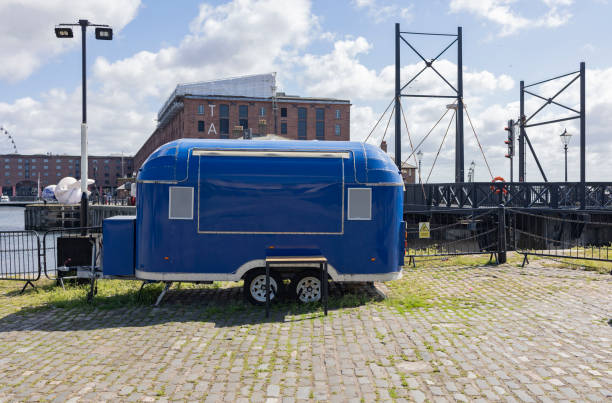
Walk down a busy street fair, a farmer’s market, or even a music festival, and you’ll see it: food trailers everywhere. But they’re not those boring metal boxes from the 90s anymore. Nope. They’re stylish, branded, and in some cases, more high-tech than the restaurants parked a block away.
The rise of custom made food trailers has completely changed the mobile food game. And technology? That’s the big driver behind it all.
From Cookie-Cutter to Custom-Made
Remember when “buying a trailer” meant picking one of two sizes and slapping your logo on the side? That’s over. Today, manufacturers use design software and 3D modeling to build trailers around your menu, your workflow, your style.
Want a coffee trailer that looks like a cozy cabin? Sure. Need a taco setup with neon lights and fold-out counters? Easy. That flexibility is why business trailers for sale aren’t just limited to hot dog carts anymore—you’ll see cocktail bars, bakeries, even sushi on wheels.
Technology makes it possible. And honestly, it’s fun to watch.
CNC Machines and Laser Precision
Here’s a nerdy detail that matters: CNC cutting. Basically, computer-controlled machines that cut, drill, and shape everything down to the millimeter.
Why should you care? Because it means no more wobbly doors or counters that don’t quite fit. Every fridge slot is the right size. Every cut is clean. The end result feels professional—not slapped together in someone’s garage.
It saves time for builders and headaches for owners.
Lighter, Stronger, Easier to Tow
Old trailers were heavy steel beasts. Great for durability, terrible for gas mileage. New ones? High-grade aluminum, fiberglass, and composites. They’re lighter, which means less strain on your truck, and more resistant to rust.
If you’ve ever hauled a trailer uphill with an underpowered pickup, you’ll appreciate this shift. Lighter trailers = less stress, fewer repairs, and longer life.
Smart Kitchens on Wheels
This part blows people’s minds: food trailers are turning into smart kitchens. Manufacturers are adding touchscreen controls, IoT-connected appliances, and energy-efficient lighting.
Picture this—you’re at a festival, and your phone buzzes because your freezer is warming up. Crisis averted. Or you adjust your ventilation system with a tap instead of fiddling with knobs.
Ten years ago, that sounded like science fiction. Now, it’s available when you order a new build.
Sustainability Is In
Consumers care about eco-friendly businesses, and tech is helping trailers step up. Solar panels, energy-saving fridges, water-efficient sinks—even compost setups.
The cool part? It’s not just good for the planet. Lower utility bills matter a lot when you’re serving tacos out of a trailer. Small wins add up.
Trailers as Billboards
Technology also made branding easier. Instead of slapping paint and calling it a day, you’ve got vinyl wraps, LED menu boards, and digital screens.
A trailer is more than a kitchen—it’s your moving advertisement. Imagine updating your menu on a digital board when you run out of fries instead of scribbling on a cardboard sign. Customers notice the difference.
VR and the Planning Phase
Here’s a fun twist: some builders now use VR (virtual reality) to let owners walk through their trailer before it’s built. You pop on a headset and see exactly where the sink, fryer, and counters will go.
It saves money and prevents those “oops” moments where you realize the fridge blocks your storage cabinet. Once you see it in 3D, you can tweak until it feels right.
Faster Builds, Consistent Results
Another perk of tech-driven builds: speed. What used to take months can sometimes be finished in weeks. And if you’re a brand looking to expand into multiple trailers, manufacturers can replicate the same design again and again with precision.
That consistency helps with staff training and branding. A burger joint with three trailers should feel like one unified business, not three random kitchens.
Financing Gets Easier Too
With more demand for business trailers for sale, financing has caught up. Many builders now partner with lenders offering digital applications and quicker approvals.
That means more people can jump into the mobile food scene without waiting years to save. It’s not just about the trailers themselves—technology is smoothing out the business side, too.
The Flip Side (Because Nothing’s Perfect)
Let’s be real: high-tech builds aren’t for everyone. Smart systems mean more parts that can break. Lightweight materials can be pricier upfront.
Some folks still prefer a simple, rugged trailer they can fix with a wrench instead of calling an electrician. And that’s fine. Not every operator needs bells and whistles.
But the point is, you’ve got options now. Tech has widened the playing field.
What’s Next?
If things keep moving like this, the future is wild. AI-powered inventory systems? Self-sanitizing counters? Maybe even self-driving trailers that meet you at the festival gates. Sounds crazy, but then again—ten years ago nobody thought you’d control your fryer with an app.
Innovation doesn’t stop. And for food entrepreneurs, that’s exciting.
Final Take
Technology has turned trailers from clunky metal shells into fully functional, branded businesses on wheels. Whether you’re ordering custom made food trailers or browsing the latest business trailers for sale, you’re stepping into an industry that’s evolved fast—and still evolving.
The best part? Small businesses are the winners here. A great idea, a little creativity, and the right trailer can compete with big-name restaurants. Technology just makes it smoother, smarter, and a whole lot more fun.




 Idea Sprout News
Leave a comment