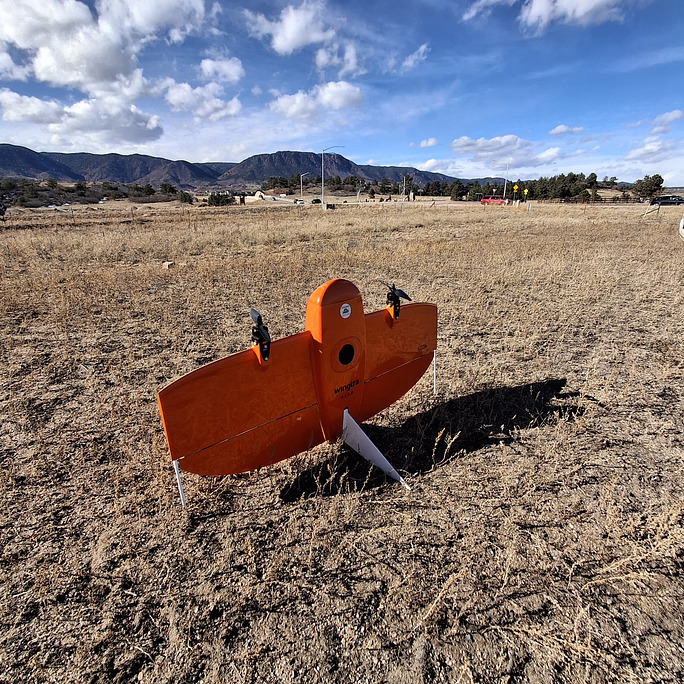
Drones are changing many fields, including construction, agriculture, energy, and logistics. They have extensive features for mapping, inspecting, monitoring, and collecting data that can lower expenses and make things run more smoothly. But buying industrial drone equipment or UAS Hardware isn’t as easy as just picking up a unit at a store. Companies need to think about a lot of things before they buy something to make sure it’s not only cheap but also meets their long-term demands. Here are the most important things to think about before making this big purchase.
What is the purpose and use?
The first and most important stage is to figure out what the drone is for. You can use industrial drones for many things, like checking the health of crops, surveying land, checking electrical lines, or keeping an eye on construction activity. Different applications need different skills. For instance, drones used in farming might need superior multispectral sensors, while drones used in building might need high-resolution cameras and 3D mapping features. If you don’t know what you want the equipment for, you can get something that doesn’t work for your purposes.
How to Understand Regulatory Compliance
Many places have severe rules about how drones can be used because of safety, security, and privacy issues. Before you invest, you need to know the rules and licensing requirements of the local aviation authority. Depending on their weight, flight altitude, or intended usage, some drones may need special permits. Companies should also think about whether they need pilots with official training to use the equipment legally. Ignoring these compliance issues could result in penalties, lawsuits, or interruption in operations.
Checking the needs for the payload and sensors
The payload capacity of a drone tells you how much extra gear it can carry, such cameras, LiDAR, or thermal sensors. This is an important thing to think about for industrial uses because advanced sensors typically decide how relevant and good the data is that is collected. For example, a drone that can’t carry enough weight may not be able to use the technology you want, which would limit its usefulness. Companies should figure out what kinds of sensors they need for their projects and make sure the drone they choose can work with them and be improved.
Battery Life and Flight Time
The amount of time a flight takes is strongly related to how well it works. Battery life is very important for many industrial projects since they span big areas or need to be watched for long periods of time. Drones that can only fly for a short time may need to have their batteries changed often, which can cause delays and downtime. To find out if the equipment can handle the workload, you should look at the average flying time, the time it takes to recharge, and the availability of spare batteries. These performance details have a big effect on long-term productivity.
Durability and Suitability for the Environment
Industrial drones often have to work in tough conditions, such high winds, harsh temperatures, or construction sites that are full of dust. Durability of equipment should be your main focus. A drone needs to be able to handle stress from the environment without needing to be fixed or broken down often. Being able to work at high altitudes or in low light, as well as being resistant to water and dust, can make a big difference in performance. Buying a strong drone cuts down on maintenance costs and makes sure it works well in the field.
The ability to manage and process data
One of the best things about industrial drones is that they can gather data. But the equipment also needs to be able to handle data well. If you don’t have the right software integration, it can be hard to work with a lot of aerial images, 3D mapping files, or thermal imaging data. When looking into drone gear, it’s crucial to think about how easy it is to move, store, and analyze the data. The selection should also take into account how well the new system works with existing data processing systems or whether it comes with built-in software solutions.
Training and Improving Skills
Flying industrial drones is not the same as flying drones for fun. Not only is specialized training needed for safe flying, but it’s also needed for understanding data and keeping systems running. Companies should think about the time and money it will take to train operators before they invest. Staff who are well-trained will get the most out of the equipment and reduce the hazards of running it. Setting up rules for regular inspections and fixing problems can also help the investment last longer.
Price and Return on Investment
The money side is another important thing to think about. The price of industrial drones can be very different based on their features and capabilities. In addition to the original cost, the budget needs to incorporate continuing costs such as software subscriptions, spare parts, batteries, training, and fees for following the rules. Companies should also think about how much money they could make from the investment. Will the drone lower expenses, make things safer, or make things work better in ways that make the cost worth it? A detailed look at the costs and benefits is very important for making a good financial choice.
Availability of Maintenance and Support
Drones, like every other industrial equipment, need to be taken care of. People who want to buy something should look at how easy it is to get technical assistance, repair services, and replacement parts. Delays in repairs can cause a lot of downtime, which can have a big effect on productivity, especially in fields that need drones to do time-sensitive tasks. Choosing equipment that comes with a clear maintenance plan and easy-to-reach support will protect your investment and keep things running smoothly over time.
Scalability and Future Needs
The technology used in drones changes quickly. When you invest now, it should still be helpful as new uses and features come out. Buyers should think about whether the equipment can be scaled up, which means whether it can have better sensors, software, or flight capabilities. When companies plan with future needs in mind, they can avoid having to buy new drones all the time and make sure that the drone stays useful as operational needs grow.
Things to Think About for Safety
When buying industrial drone equipment, safety should always come first. Collision-avoidance systems, the capacity to land in an emergency, and GPS stability are some of the features that can greatly lower the dangers of operations. Drones often fly in places where mishaps could put people, property, or the drones themselves in danger. Adding safety features to technology not only safeguards the investment, but it also builds trust among workers and in the community.
Working with current systems
To get the most out of drone technology, it should work well with the systems that are already in place at the organization. Compatibility makes sure that data flows seamlessly across businesses, whether it’s project management software, asset monitoring systems, or agriculture management platforms. Bad integration can make things less efficient, cause people to do the same thing twice, and raise costs. Before buying, it’s important to look at this part to make sure the drone is useful and not just a tool that sits around.
Insurance and Managing Risk
Industrial drones should have the right insurance to protect them because they are valuable and come with hazards. Liability for damages, replacing equipment, or accidents that happen during flights or during Aerial Mapping may be covered. Before you invest, you need to think about the cost of insurance and risk management. Businesses should look at how much risk they face and make sure they have enough protection to keep both their equipment and their business secure.
Final Thoughts
If you plan carefully, buying industrial drone equipment might be a smart move that pays off big time. Every component, from understanding the intended goal and making sure it meets regulations to looking at technical specifications, training needs, and long-term costs, plays a role in the investment’s success. By carefully thinking about these things, businesses can get the most out of their drones, make their operations more efficient, and remain ahead of the competition in an industry where technology is changing what is possible.



 Idea Sprout News
Leave a comment