Renting a dumpster can make any waste management project more manageable, whether you’re decluttering your home, renovating a space, or handling a large construction project. While the process may seem straightforward, there are several mistakes that many first-time renters make, which can lead to extra costs, delays, or even safety hazards. Understanding how to navigate the rental process effectively ensures that your project is completed efficiently, safely, and within budget. This guide will walk you through the most common mistakes people make when renting a dumpster and how to avoid them, highlighting how services like Evans dumpster rental can simplify the process and provide reliable support.
Choosing the Wrong Dumpster Size
One of the biggest miscalculations people make when renting a dumpster is opting the wrong size. Dumpsters come in a variety of sizes to accommodate different types of systems, from small home renovations to large construction cleanups. Picking a dumpster that’s too small can result in multiple pickups, increased costs, and gratuitous hassle. Again, choosing one that’s too large can be a waste of plutocrat since you’re paying for further capacity than you actually need.
To avoid this mistake, take a force of the particulars you plan to dispose of. Estimate the volume of debris and consider the type of accoutrements. Consulting with a rental provider can also help you select the applicable size. They frequently have experience recommending the right dumpster based on the scope of your design. Proper planning in this step ensures that your reimbursement is both cost-effective and sufficient for your remittance needs.
Ignoring Weight Restrictions
Another common oversight is ignoring the weight limits of dumpsters. Each dumpster has a maximum weight capacity, and overloading can affect the vessel’s safety or indeed make the vessel unsafe to transport. Heavier accoutrements, such as concrete, bricks, or soil, can quickly exceed the weight limit of a standard dumpster.
To help prevent this mistake, be aware of what you’re throwing away and understand how the weight of different accoutrements can add up. Separate heavier particulars from lighter bones if possible, and confirm the weight restrictions with the rental provider. Some companies offer specialized dumpsters designed for heavier debris, which can save you from unanticipated charges and implicit safety hazards.
Failing to Understand Reimbursement Terms
Renters frequently overlook the fine print in dumpster rental agreements, which can lead to surprises down the road. Reimbursement terms generally cover the duration of the reimbursement, delivery and volley schedules, respectable accoutrements, and fresh freights. Mistaking these details can result in late freight, denied pickups, or banned particulars being rejected.
Before subscribing any agreement, precisely review the terms and ask questions about anything unclear. Clarifying the rental period ensures you have enough time to complete your design without incurring penalties. Also, understanding which accoutrements are banned helps you avoid issues during disposal and ensures compliance with waste regulations.
Placing the Dumpster in the Wrong Position
Proper placement of your dumpster is essential for safety, convenience, and availability. Placing it in an area that’s delicate to pierce can produce challenges when loading debris and may cause damage to your property. Also, dumpsters must be placed in a position that’s legal and safe for volley and drop-off.
Before your dumpster arrives, consider the layout of your property and the size of the vessel. Ensure there’s enough space for the truck to maneuver during delivery and volley. Avoid placing dumpsters on soft ground that could be damaged or on public property without the necessary permits. Taking the time to plan the position of your dumpster can help prevent accidents, property damage, and detainments.
Overlooking Banned Accoutrements
Not all accoutrements can be disposed of in a standard dumpster. Dangerous particulars, such as cosmetics, chemicals, batteries, and certain electronics, are generally banned due to safety and environmental concerns. Trying to dispose of these accoutrements inaptly can result in forfeitures, legal issues, or environmental damage.
To avoid this mistake, produce a list of particulars you plan to throw down and check with your reimbursement provider about banned materials. However, explore indispensable disposal options, such as technical recycling centers or dangerous waste installations, If you have dangerous waste. Being apprehensive of restrictions before filling the dumpster ensures compliance and prevents expensive miscalculations.
Ignoring Safety Considerations
Dumpster settlements involve handling heavy and occasionally sharp accoutrements, making safety a pivotal concern. Numerous accidents occur because people neglect introductory safety precautions, such as wearing protective gear, properly lifting objects, and avoiding overfilling the vessel.
To enhance safety, always wear gloves, sturdy shoes, and, if necessary, a aft support belt when lifting heavy objects. Avoid climbing into the dumpster, as this can result in a cascade or injury. Organize debris so that heavier particulars are at the bottom and lighter particulars on top, which not only maintains stability but also helps maximize space. Prioritizing safety protects both you and others involved in the remittal.
Failing to record Pickup and Drop-Off duly
Timing is another area where miscalculations frequently occur. Numerous renters fail to coordinate the delivery and volley schedules in advance, resulting in delays that can disrupt the design timeline. A dumpster sitting on your property longer than demanded can also attract gratuitous attention or produce hazards.
To help with this, plan the rental schedule based on the anticipated duration of your design. Communicate easily with the rental provider regarding delivery and pickup times. Some companies offer flexible scheduling options, so take advantage of these to ensure the dumpster is available when you need it and removed instantly once your design is complete.
Undervaluing the significance of Availability
Availability isn’t just about placement; it also involves ensuring you have the right tools and setup to load the dumpster efficiently. People frequently forget to consider how they will transport debris from their workspace to the dumpster, which can make the removal process more labor-intensive than necessary.
Make sure you have a clear path from the work area to the dumpster. However, use barrows, wagons, If possible. Planning for availability reduces strain, pets up the remittance, and prevents gratuitous damage to your property.
Not Considering Recycling Options
Numerous renters concentrate solely on disposal and overlook the eventuality to reclaim certain accoutrements. Particulars like essence, wood, and cardboard can frequently be reclaimed, which reduces environmental impact and may indeed save on disposal costs.
Before filling your dumpster, separate items that can be reclaimed. Check with your reimbursement provider to see if they offer recovering options or guidance on original recycling installations. Being aware of recovering not only benefits the terrain but also ensures that you’re disposing of accoutrements responsibly and efficiently.
Overlooking Cost Factors
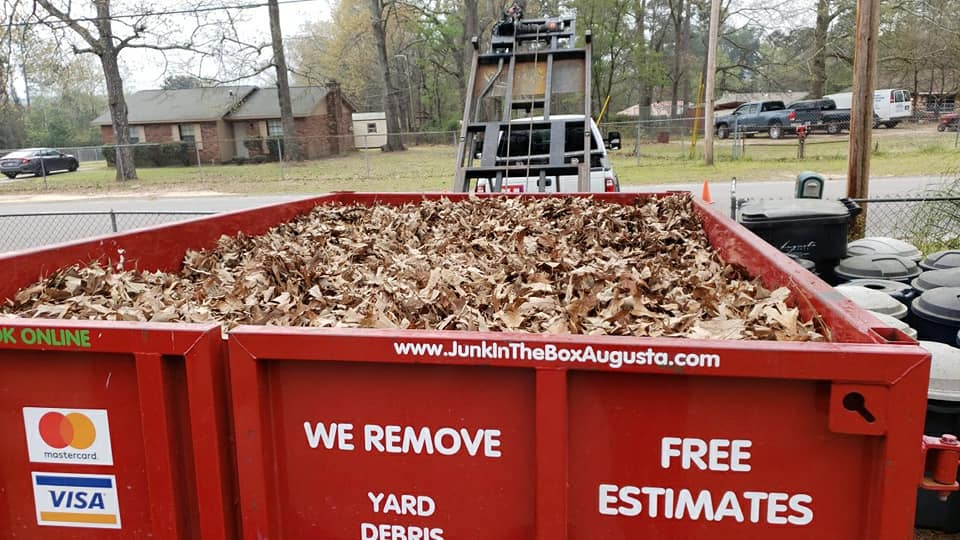
One common mistake when renting a dumpster is failing to account for all associated costs. Beyond the basic rental fee, additional charges can arise from overfilling, exceeding weight limits, prohibited items, or extended rental periods. These unexpected costs can quickly inflate your budget if you aren’t prepared. To avoid surprises, request a detailed breakdown of all potential fees and understand how the company calculates weight, size, and extra charges. By planning for these possibilities in advance, you can manage your expenses effectively and ensure a smooth project with a reliable dumpster rental Augusta GA service.
Conclusion
Renting a dumpster can simplify large remittal systems and make waste operations more effective, but only if done correctly. By avoiding common miscalculations similar as opting for the wrong size, ignoring weight limits, overlooking safety, and failing to understand rental terms, you can ensure a smooth reimbursement experience. Planning precisely, following guidelines, and prioritizing safety will help you complete your design efficiently while keeping costs and stress under control. Whether it’s a home addition, decluttering, or construction design, a well-managed dumpster reimbursement is a crucial element of a successful remittal.







 Idea Sprout News
Leave a comment