
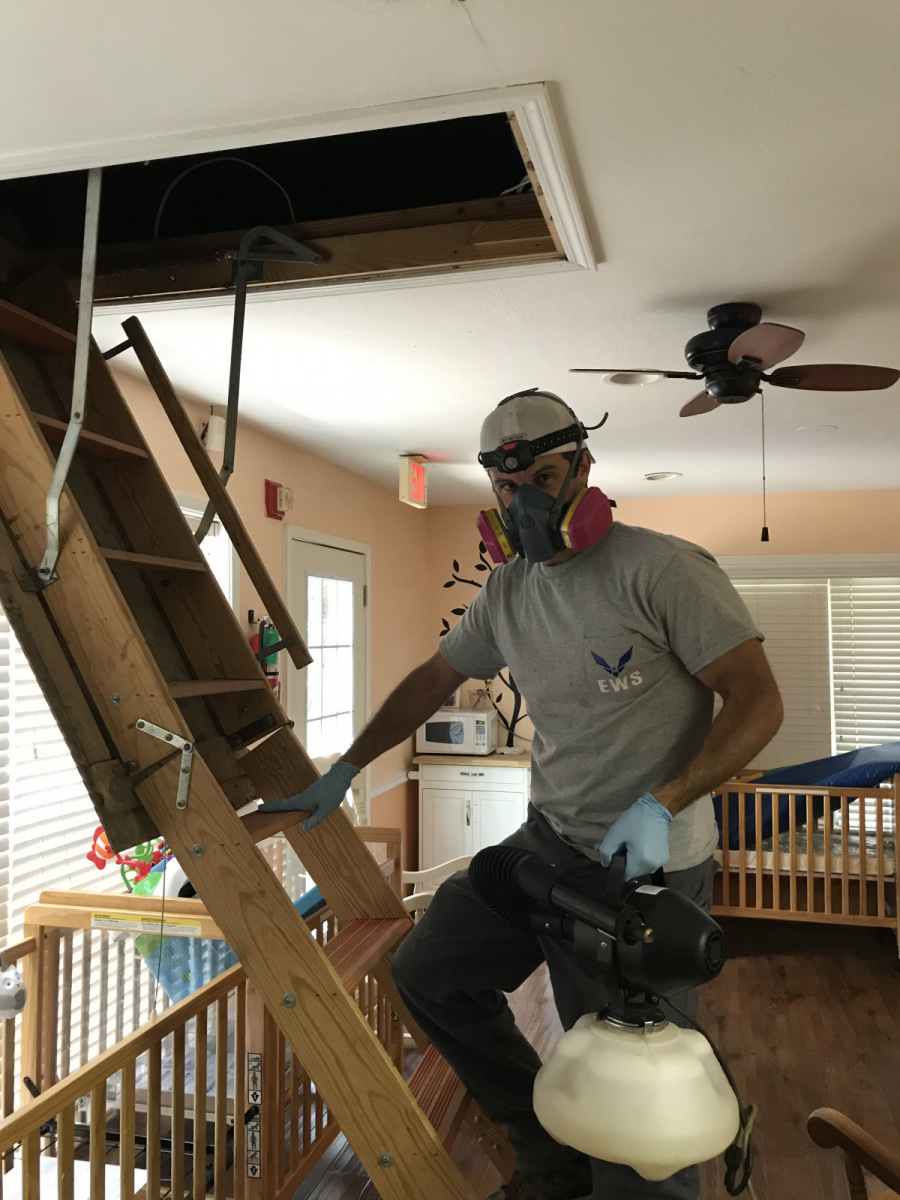
Chancing a club in your basement can be an unsettling experience. While these nightly brutes play a vital part in controlling nonentity populations, their presence inside your home isn’t a commodity to ignore. Battens in basements, garrets, or walls can lead to health pitfalls, structural damage, and unwelcome odors. If you’ve been searching for bat removal near me, understanding when club junking is essential and why professional help is the stylish option can make a significant difference in maintaining a safe and healthy home terrain.
Why batons Enter Homes
batons generally enter homes in hunt for warmth, sanctum, and safety. Basements, garrets, and bottleneck spaces give dark and quiet areas that make ideal roosting spots. During colder months, batons may enter through small cracks, reflections, or gaps to find a place to hibernate. In the warmer months, they might seek a secure terrain to raise their youthfulness. Because batons can squeeze through openings as small as half an inch, indeed the smallest gaps around your home can serve as entry points. Over time, what starts as a single club finding sanctum can develop into a colony, leading to more serious infestations that bear immediate attention.
Health pitfalls of a Bat Infestation
Having batons in your basement is n’t just a matter of vexation — it’s a health concern. One of the primary pitfalls is rabies. Though only a small number of batons carry the contagion, any bite or scrape poses an implicit trouble. Indeed inconspicuous contact can be dangerous since club mouthfuls can be so small they go undetected. Another health concern is the presence of histoplasmosis, a respiratory infection caused by gobbling fungal spores set up in club feces( stool). When stool accumulates in basements or garrets, it can produce a terrain where dangerous fungi thrive. In addition, the buildup of feces and urine can produce strong odors, stain walls and ceilings, and attract insects similar to diminutives or beetles. These pitfalls make prompt club junking and remittal absolutely essential.
Situations That Require Immediate Bat junking
Certain scripts make professional club junking urgent.However, it probably entered by accident, If you find a club flying inside your home. Although it might appear inoffensive, you should no way essay to handle it directly. Any contact, especially if a person or pet was hard while you were asleep, requires immediate medical evaluation for implicit rabies exposure. Another serious situation occurs when batons are roosting in your basement or garret. batons are social creatures and frequently live in colonies, so one club could mean numerous further are hiding within the structure. Accumulating feces, strong odors, and scratching or fluttering sounds at night are all signs of an active colony. batons in reflections, chimneys, or walls also indicate that junking is necessary before damage or impurity spreads. Ignoring these signs can turn a minor issue into a significant infestation over time.
Why Professional junking Is pivotal
Trying to remove batons on your own can be dangerous and, in numerous areas, illegal. Batons defend wildlife in utmost regions, which means they can not be killed or removed without following specific guidelines. Professionals use a process called rejection, which involves allowing batons to exit safely while sealing all possible re-entry points. This ensures that no batons are trapped inside while also precluding unborn infestations. Experts are trained to identify retired entry points, detect roosting areas, and safely handle remittal. Professional junking also includes sanitation procedures to exclude stool, neutralize odors, and help the spread of dangerous spores. Most importantly, hiring professionals ensures that both mortal health and the batons’ ecological significance are defended through humane and legal practices.
The significance of Timing in Bat junking
The time of time plays a crucial part in club junking. During the motherliness season, which generally occurs between May and August, womanish batons give birth and care for their young.However, baby batons( pups) may be trapped outside and unfit to survive, If rejection is performed during this time. Responsible club junking requires careful timing to avoid separating masters from their youth. Professionals understand these seasonal actions and plan the junking consequently. Staying until the motherliness season ends ensures the batons can safely dislocate without harming their colony or the terrain.
Signs That batons Are Living in Your Basement
Homeowners frequently overlook the subtle signs of a club infestation. Unexplained noises at night, similar to scratching, grassing , or fluttering sounds, may indicate their presence. You might also notice dark stains near entry points, caused by the canvases on batons’ bodies as they enter and exit. Guano, which resembles small black bullets, frequently accumulates near walls or beneath shafts where batons roost. Over time, a strong ammonia- suchlike odor from feces or urine becomes conspicuous. These suggestions should no way be ignored, as they gesture the need for immediate examination and junking before damage and impurity worsen.
Precluding unborn Bat Infestations
Once batons are removed, the coming step is precluding them from returning. Homeowners should check the property completely to identify implicit entry points. Small gaps around windows, chimneys, reflections, and rooflines should be sealed with caulk, mesh, or other durable accoutrements . Installing chimney stack caps and vent covers are an effective way to block access while maintaining ventilation. Keeping out-of-door lights on or using ultrasonic deterrents can also discourage batons from approaching the property, as they prefer dark, quiet surroundings. Also, trimming near tree branches and keeping the roofline clear of protuberances reduces the chances of batons changing access points. Regular home examinations especially ahead and after the downtime season — help ensure your home remains secure.
Humane results for Long- Term Safety
While batons can be a nuisance when they enter your home, it’s important to flash back that they’re salutary brutes. A single club can eat thousands of insects in one night, playing an essential part in pest control and the overall ecosystem. Humane club junking respects this balance. Rather than decimation, professionals concentrate on relocation and forestallment, icing the batons can continue their ecological part while keeping your home safe. Ethical junking and rejection practices help maintain a healthy concurrence between humans and wildlife.
The Cost of Ignoring a Bat Problem
Delaying club junking can lead to raising problems. Structural damage from feces, staining, and odor buildup can become expensive to repair. In severe cases, impurity may bear professional decontamination and sequestration relief. More importantly, ignoring a club issue increases the threat of health problems for anyone living in the home. Indeed without direct contact, dragged exposure to stool or airborne spores can beget serious respiratory illness. For homeowners searching for squirrel removal near me, addressing the issue instantly not only saves plutocrats but also protects your family’s health and comfort.
Conclusion
A club in your basement might feel like a minor nuisance at first, but it signals a problem that should no way be overlooked. From health pitfalls to property damage, the consequences of ignoring a club infestation can be serious. Knowing when to seek professional club junking, understanding seasonal considerations, and taking preventative measures are essential ways in guarding your home. By choosing humane and responsible junking styles, you can ensure safety for both your ménage and the batons that play a vital part in nature. Acting snappily, responsibly, and immorally ensures your home remains club-free while esteeming the delicate balance of the ecosystem.






 Idea Sprout News
Leave a comment