

The Tool Nobody Appreciates Until It Saves a Life
Let’s be honest, most folks don’t give much thought to a tire safety cage until something goes wrong. You’ve got a busy shop, pressure builds, air hoses hiss, and everyone’s just trying to keep the line moving. Then, one bad bead or overinflated tire decides to blow—and suddenly that cage everyone ignored becomes the hero of the day. It’s not just a piece of steel; it’s the one thing standing between your crew and disaster.
But here’s the thing: not all cages are built the same. The cheap ones look fine until the welds crack or the bars bend after one close call. The good ones? They’re heavy, precise, built like fortresses. They cost more for a reason—and that reason’s safety, plain and simple.
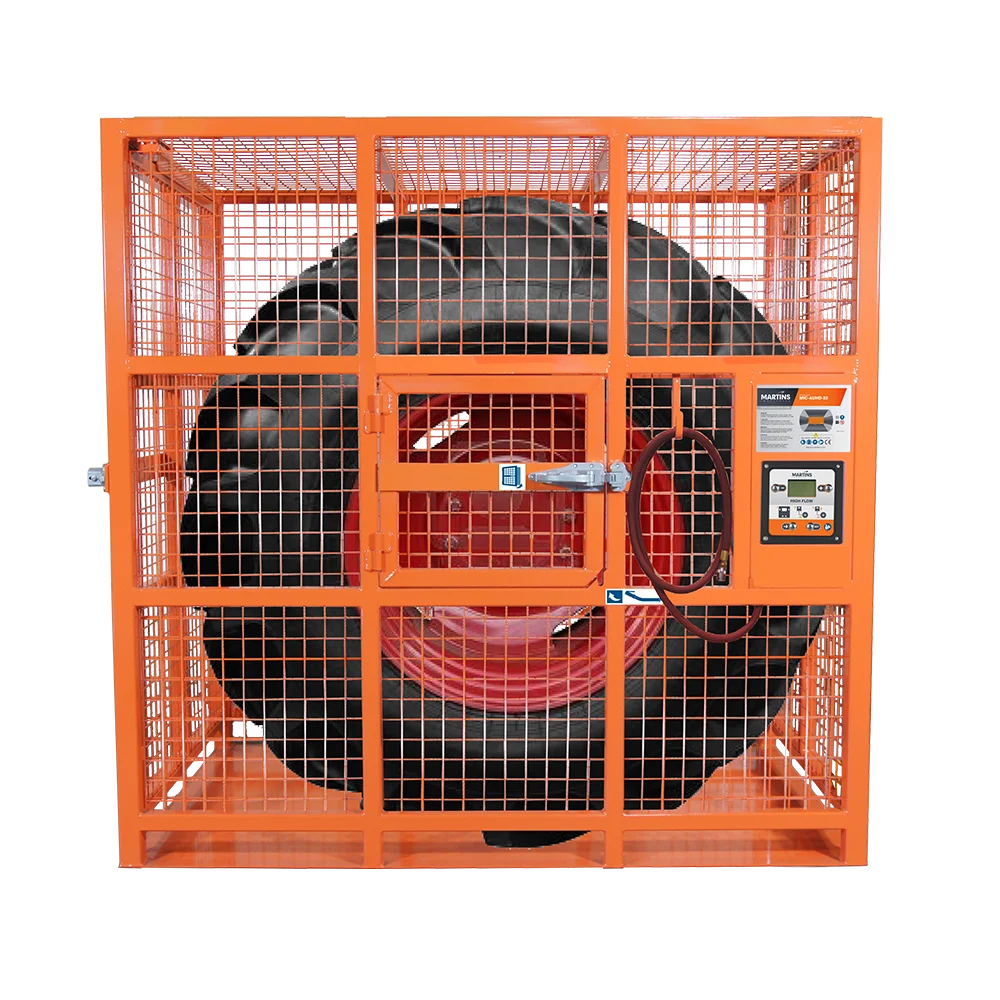
What “Quality” Really Means in a Tire Safety Cage
You can’t measure quality by weight alone, but it’s a good start. A real tire safety cage feels solid. Thick steel tubing. Welds that don’t look rushed. A base that doesn’t wobble when you roll in a semi tire. You can tell it’s made to take a hit and stay standing.
The difference between a cheap cage and a proper one isn’t cosmetic—it’s structural. A solid cage is built from certified steel, pressure-tested, and meets OSHA or CE safety standards. Those numbers aren’t just paperwork—they’re proof that someone actually tested it under conditions you hope you’ll never see. When you’re inflating at 120 PSI or more, you want confidence, not crossed fingers.
The Real Cost of Cutting Corners
Every shop owner knows how it goes. You’re trying to save a few bucks here, a few there. Then a supplier offers a “discount” cage that looks close enough. But when you start using it, you notice the thin bars, the sloppy welds, and the way it rattles every time air pressure spikes.
And that’s when you realize the mistake. Because if that cage fails, it’s not just property damage—it’s lives at risk. You can’t put a price tag on your crew’s safety. A quality tire safety cage might cost a bit more upfront, but it’s a one-time investment that’ll outlast five cheap ones. It’s not about luxury. It’s about survival.
Why Safety Cages and Storage Racks for Tires Go Hand-in-Hand
Here’s a detail most shops overlook—organization ties directly into safety. A solid tire safety cage protects during inflation, but good storage racks for tires protect before and after. When tires are stacked right off the ground, sorted by size, and kept dry, you reduce handling mistakes, slips, and awkward lifts that lead to injuries.
A messy tire bay is a hazard zone. Tires rolling around, blocking walkways, leaning against walls—it’s just asking for an accident. Investing in proper storage racks for tires keeps things orderly, so when it’s time to mount and inflate, everything’s right where it should be. The best shops understand that safety isn’t just equipment—it’s a system and flow.
Built Tough for Real-World Use
Florida shops, Texas shops, the Midwest, wherever—you all face the same issue: abuse. Tires slam into cages all day. Air guns echo nonstop. It’s hot, greasy, chaotic. A quality tire safety cage is designed for that kind of life. The coating resists corrosion, the welds don’t crack, and the structure doesn’t warp under daily beating.
You can tell a cage is worth it by how it behaves after a year of use. If it still stands straight, no loose bolts, no sagging frame—that’s quality. The good manufacturers test their cages with repeated explosions, not just computer simulations. You can’t fake that kind of durability.
How Safety Cages Save Time Too
Funny thing—most folks think safety slows things down. Truth is, the opposite’s true. When your crew trusts the equipment, they work faster. No hesitation, no second-guessing whether it’ll hold. A good tire safety cage makes inflation smoother, safer, and faster. It lets you handle more tires without stress.
Combine that with proper storage racks for tires, and suddenly, your whole workflow improves. Tires come in organized, move through mounting and inflation smoothly, and roll out safely. That’s how top-performing shops operate—not rushing, just efficient.
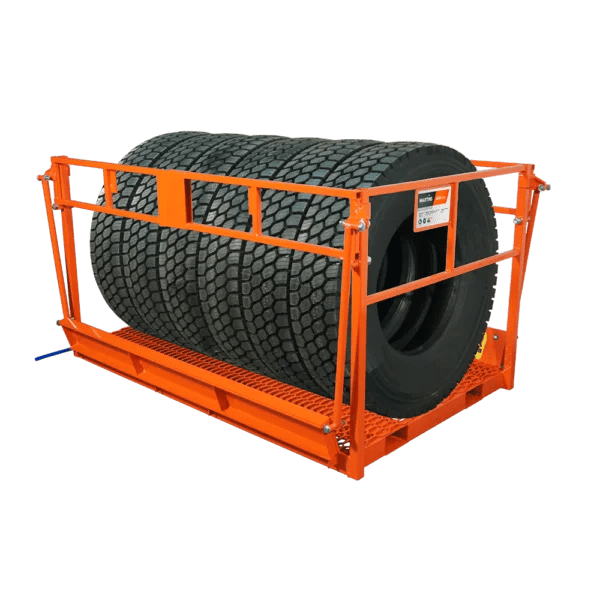
Choosing the Right Cage for Your Shop
Not every cage fits every shop. You’ve got passenger car tires, heavy-duty truck tires, maybe even agricultural or industrial ones. The right tire safety cage matches the job. Look at pressure ratings, size capacity, and certification. If you’re handling big commercial tires, don’t mess with light-duty cages. Go heavy-duty. Overbuild, not under.
And stick with known brands that actually specialize in tire safety—not general tool suppliers selling rebranded imports. Ask for proof of testing, not promises. A reputable supplier will show you exactly how their cage performs under real pressure bursts. If they hesitate, that’s your red flag.
The Bottom Line: Buy Once, Protect Forever
At the end of the day, it’s simple. You can replace tools, tires, even equipment—but not people. A tire safety cage is the kind of gear you hope you’ll never “need,” but when you do, it better work. The cost of one accident will always be higher than the price of good protection.
Pair it with strong storage racks for tires, keep your workspace clean and organized, and you’ve built a shop that’s not just efficient—it’s safe. That’s how you build a reputation that lasts. Quality gear isn’t an expense. It’s insurance for everything you’ve built.


 Idea Sprout News
Leave a comment