
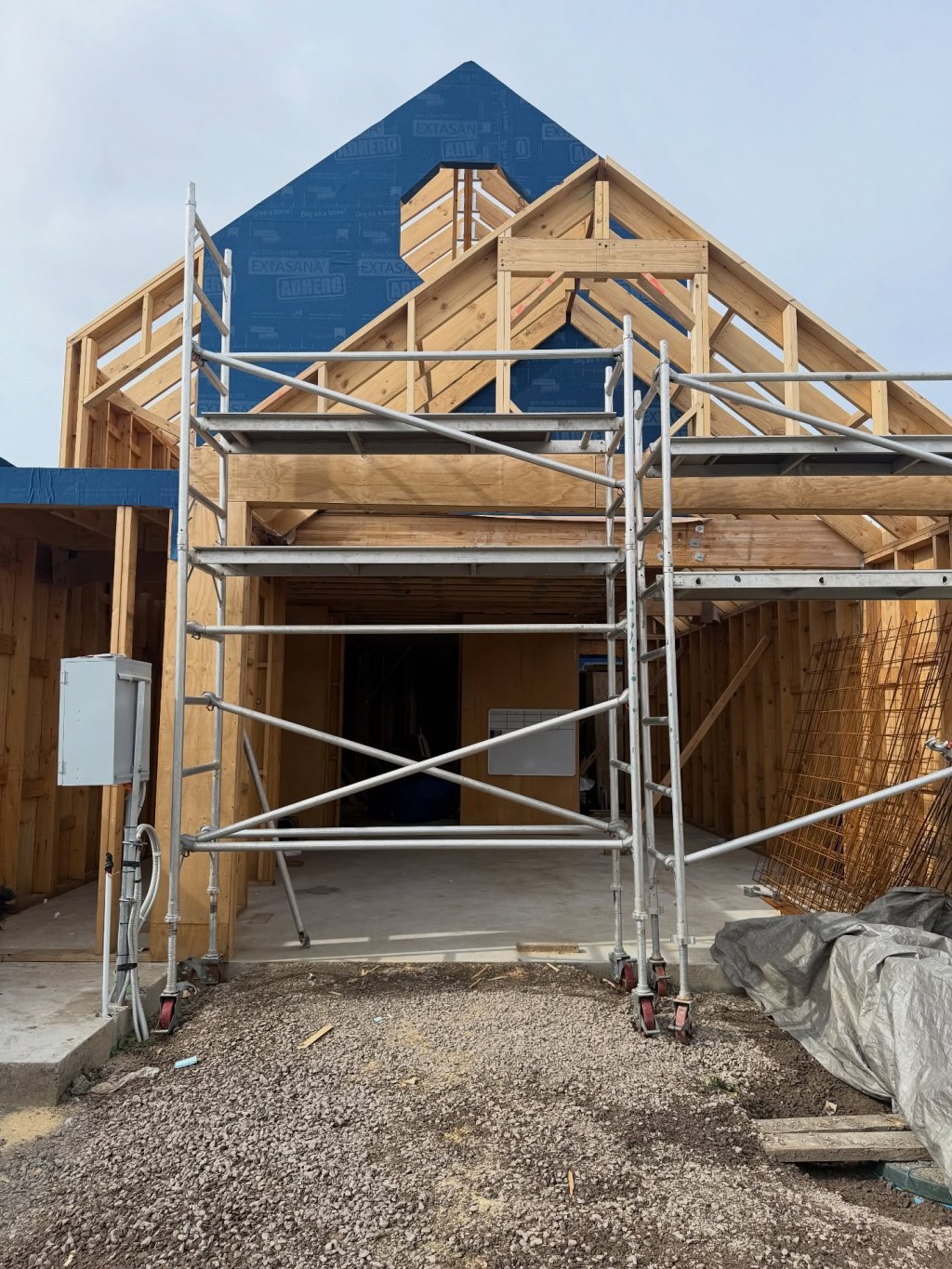
If you’re thinking about building a Passive House, materials aren’t just some side detail—they’re everything. Seriously. You can have perfect insulation, airtight windows, fancy designs, but if the materials are crap, you’ll feel it in your energy bills and in your head. Passive house builders in Melbourne get this—they don’t just slap walls together. They think, “Will this last? Is it green? Is it healthy?” That’s the mindset. And honestly, it makes a huge difference.
Why Materials Actually Matter
Let’s be real. A house isn’t just four walls. It’s a system. Everything matters: walls, floors, roofs, even paint. The wrong choice and you might get a “green” house that still leaks energy or off-gasses toxins. That’s why Passive House construction isn’t just about efficiency, it’s about longevity and comfort. Builders pick things that do their job well and won’t screw you over in a few years. And yes, that includes looking at stuff most people wouldn’t think twice about, like adhesives or underlayments.
Timber: Not All Wood is Equal
Wood is tricky. Everyone thinks timber is eco-friendly by default, but you’ve got to check. FSC-certified or reclaimed wood is king here. It’s sustainable, strong, and insulates naturally. Builders in Melbourne’s West are big on using local timber mixed with engineered wood. Makes sense. You get less carbon footprint from transport, and engineered stuff can handle stress better. Plus, there’s something satisfying about knowing your walls aren’t just functional, they’re responsible.
Insulation That Actually Works
Insulation is one of those things you can’t skimp on. Fiberglass is cheap, easy, but it’s… meh. For Passive Houses, you want cellulose, wool, or recycled denim. Yeah, it sounds weird, but it works, and it’s way greener. These materials hold heat, reduce drafts, and don’t kill the planet before they even get installed. The right insulation can make the difference between “pretty warm” and “actually cozy without heating all day.”
Concrete, But Make it Eco
Concrete. Everyone hates it for emissions, but it’s hard to avoid sometimes. The trick is using fly-ash, slag, or recycled aggregates. Builders in Melbourne’s West are getting creative—strong enough for foundations, but lighter on CO2. Small changes like this matter when you’re chasing a genuinely sustainable home. Even little bits of recycled content add up over time. And honestly, it feels better knowing your foundation isn’t a carbon bomb.
Finishes You Can Actually Breathe Around
Paints, plasters, coatings—they’re sneaky. Most off-gassing VOCs which is basically slow indoor pollution. Zero or low-VOC paints, natural plasters, clay, lime—these are the kinds of materials Passive House builders Melbourne are pushing. The walls still look good, they still protect, but they don’t quietly poison you while you live there. It’s a small choice, big impact. Makes the whole “healthy home” idea real, not just a marketing tagline.
Windows and Doors Matter More Than You Think
Windows—ugh, so many options. Triple glazing is standard for Passive Houses, but the frames matter too. Timber frames, thermally broken aluminum—these keep heat where it belongs. Air seals are huge. You can have perfect glass, but install it wrong and you lose all the gains. Placement matters too. The sun isn’t just for Instagram; proper orientation cuts heating bills in half. Passive house builders Melbourne know how to make these choices stick. You want efficiency, not just fancy glass.
Roofs and Cladding: The Unsung Heroes
External materials are easy to overlook. Roofs and cladding aren’t just aesthetic—they affect thermal performance, lifespan, and runoff. Recycled metal roofs, clay tiles, treated timber cladding—they last, perform, and are greener. Builders in Melbourne’s West mix these up depending on the project. Longevity, low maintenance, and eco-friendly? That’s a win-win. And honestly, a roof that doesn’t rot in ten years is more impressive than some designer tile you’ll regret.
Eco Materials Save Money Over Time
People freak out about cost. Sure, some eco-materials cost more upfront, but passive houses save heaps long-term. Energy bills stay low, maintenance is less, and resale is better. Passive house builders Melbourne know this. The “green” choice isn’t just moral—it’s practical. Your home is healthy, your wallet thanks you, and the planet… well, it’s a bonus. Small upfront pain, big long-term gain. Simple.
Conclusion: Don’t Cut Corners
Here’s the deal. Eco-friendly materials aren’t optional if you want a real Passive House. Timber, insulation, concrete, finishes, windows, roofing—they all have to work together. Builders in Melbournes West are proof that it’s doable. The homes are efficient, healthy, and built to last. If you’re serious about building one, don’t shortcut. Choose smart. Build green. Sleep easy knowing your house actually does what it promises.


 Idea Sprout News
Leave a comment