
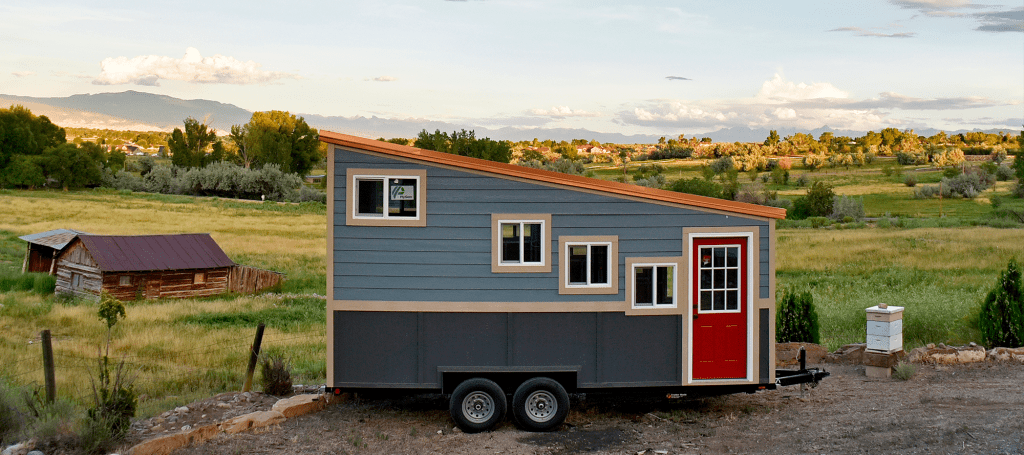
Everyone loves the idea of a tiny house. Fewer bills. Less stuff. Simple life. Sounds great. Then reality shows up with zoning rules, trailers, moisture problems, and a budget that somehow doubled. This is exactly why tiny house experts always say the same thing, quietly and a little annoyed: ask the right questions before you build. Not after. Not halfway through framing. Before. Because most tiny house disasters don’t come from bad building—they come from bad assumptions.
Why Are You Really Building This Tiny House?
Let’s be honest here. Are you building because you want to live small, or because tiny houses look cool online? Big difference. Full-time living requires different decisions than a weekend escape. Storage, headroom, insulation, and even where the bed goes. Tiny house experts see people design for vibes instead of daily life, then wonder why they feel cramped or annoyed six months in. If you don’t know how you’ll actually live in it, you’re guessing. And guessing gets expensive.
Where Will It Sit, and Is That Even Allowed?
This is the boring part people skip. Then regret. Zoning laws don’t care about your dream. Some towns allow tiny houses. Some tolerate them. Some don’t want them at all. Ask early. Call the city. Talk to neighbors. Look up enforcement history. If you don’t know where you can legally park, you don’t really have a plan. You have a hope. And hope won’t stop a notice on your door.
Trailer or Foundation—What’s the End Game?
A trailer feels flexible. A foundation feels solid. Both come with trade-offs. Trailers cost more than most people expect and require proper engineering. Foundations lock you into one place but simplify utilities. Tiny house experts usually ask one thing here: how often do you actually plan to move? Not hypothetically. Not “maybe someday.” Realistically. Because moving a tiny house isn’t as casual as Instagram makes it look.
How Will Utilities Work When Things Go Wrong?
Everyone talks about off-grid living like it’s magical. Until winter hits. Or something breaks. Or the composting toilet stops composting. Ask yourself how you’ll handle water, waste, power, and heat on a bad day—not a perfect one. Tiny house experts push simple systems for a reason. Less to break. Less to fix. Less stress. Fancy setups are cool… until they’re not.
What’s the Real Budget, Not the One in Your Head?
Here’s the part nobody likes. Your budget is probably wrong. Not because you’re careless, but because tiny houses hide costs. Permits. Trailer upgrades. Insulation changes. Tools. Delivery. Fixing things twice. Tiny house experts will tell you straight—add a buffer or expect pain. And if you’re comparing your build to a tiny home for sale, remember those prices often skip land, hookups, and setup. Apples and oranges.
Is This Just for You, or Someone Else Later Too?
You might swear you’ll live there forever. Most people do. Life still changes. Jobs, relationships, health, priorities. Ask if someone else could live in it without hating it. Door widths. Ladder access. Bathroom layout. Storage. Tiny house experts think about resale even when owners don’t want to hear it. Because houses that work for more than one type of person hold value longer. Simple as that.
What Are You Truly Capable of Building Yourself?
DIY sounds empowering. And it is—until you’re wiring something you don’t fully understand. Or plumbing without experience. Be honest. Brutally honest. What can you do well, and what should a pro handle? Tiny house experts aren’t anti-DIY. They’re anti-fixing mistakes at double the cost. Pride fades fast when something leaks behind a wall.
How Will This Tiny House Hold Up in Five Years?
This is where experience matters. Materials wear faster in small spaces because everything gets used more. Moisture builds up. Cheap finishes show fast. Ask about longevity, not just looks. What happens after five winters? Ten summers? Tiny house experts think long-term because they’ve seen what fails. Pretty doesn’t matter much when repairs start stacking up.
Conclusion
Building a tiny house isn’t about shrinking your life. It’s about making it work better. But that only happens when you ask uncomfortable questions early. Tiny house experts don’t sell dreams—they sell reality, whether people like it or not. Slow down. Ask more. Question everything. Because it’s a lot easier to rethink a plan than to rebuild a house that never quite fit in the first place.


 Idea Sprout News
Leave a comment