

You ever sit down for a while… maybe watch an episode, scroll your phone, or take a quick nap… and then stand up and think, wow, why does my body feel like it rusted? Legs feel heavy. Back feels locked. Neck does not want to cooperate. You move around a bit, stretch a little, but that stiff feeling hangs on longer than it should.
We hear this a lot. And here is the thing most people do not realize. It is not always muscles. It is not always joints either. A lot of the time, it is fascia. That is where Myofascial release therapy Knoxville often comes into the picture.
Let us break this down without making it complicated.
So… what is fascia anyway?
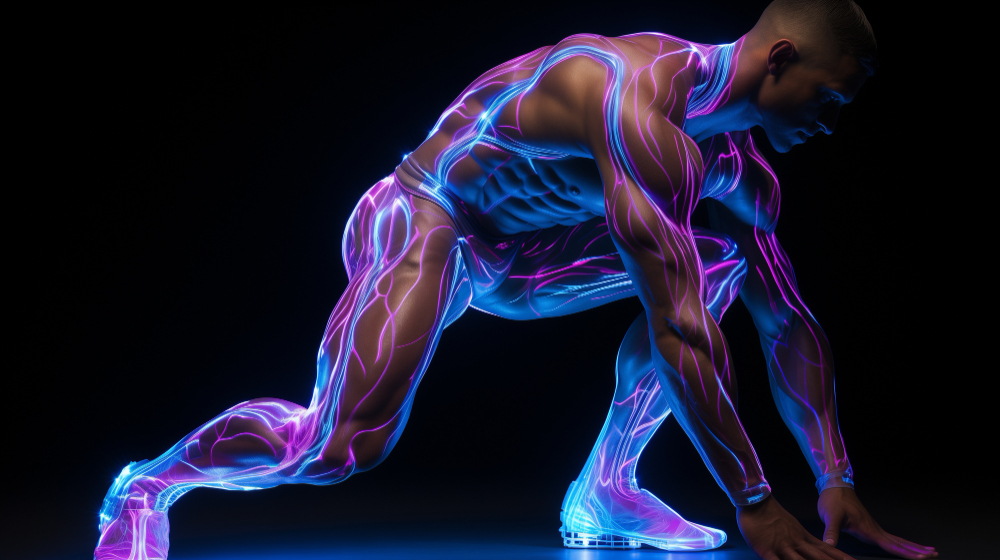
Think of fascia as a thin, stretchy web that wraps around everything in your body. Muscles, bones, organs… all of it. One big connected system. Kind of like a spider web holding everything together.
When fascia is healthy, it slides easily. Movement feels smooth. You do not really notice it. But when fascia gets tight, dry, or sticky, movement starts to feel restricted. That stiff feeling after resting? That is a classic fascia sign.
Studies shared in The Journal of Bodywork and Movement Therapies show that fascia can lose hydration and flexibility from things like sitting too much, stress, poor posture, or past injuries. And once it stiffens, it does not bounce back right away. That is why even a short rest can make you feel way older than you are.
Why stiffness shows up after rest, not movement
This part confuses people. “Shouldn’t rest help?” You would think so.
But fascia loves gentle movement. When we sit or lie still for too long, the layers of fascia can start sticking to each other. Blood flow slows. Fluids stop moving well. Then we stand up and everything feels tight and cranky.
Research using imaging shows that when fascia is restricted, it does not glide smoothly between muscle layers. Less glide means more stiffness. Sometimes pain too. This usually shows up in the low back, hips, neck, calves… the usual trouble spots.
Ever notice how you feel better after walking around for a few minutes? That is not random. That is fascia waking up.
Signs fascia might be the real problem
We usually blame sore muscles or stiff joints. But fascia issues feel a little different.
You might notice stiffness that only eases after several minutes of moving around. A pulling or tight feeling instead of sharp pain. Tender spots that feel spread out, not one exact point. Or flexibility slowly getting worse without any clear injury.
If that sounds familiar… yeah, you are not alone.
How myofascial release actually helps
Myofascial release is not your typical massage. It is slower. More focused. No rushing.
The therapist uses gentle, steady pressure on areas where the fascia feels tight or stuck. The goal is to help the tissue soften and start sliding again. No forcing. No quick fixes.
Studies have shown that myofascial work can improve movement, reduce pain, and help calm the nervous system. Research in Frontiers in Physiology even suggests that fascial work can improve tissue hydration and elasticity over time. That matters a lot if you feel stiff day after day.
Fascia responds best when we give it time. It does not like being bullied.
Small daily habits that help fascia a lot
We do not need to change our whole life to feel better. Small things add up.
Getting up every 30 to 45 minutes helps. Gentle stretching helps, not aggressive forcing. Slow walking, especially in the morning, helps. Drinking enough water helps… fascia really likes hydration.
Even lying on the floor and gently moving for a minute can make a difference. Awkward? Sure. Effective? Very.
When it is time to get extra help
If stiffness keeps coming back, or if resting makes you feel worse instead of better, it may be time to look deeper. Fascia does not always respond to stretching alone.
This is where skilled, hands-on care can help, especially when movement feels limited or uncomfortable. Exploring options like body-based work and therapy in Knoxville TN can help your body move with less effort and less of that stuck feeling.
Feeling stiff after resting is common, but it should not be your normal. Our bodies are meant to move, glide, and feel easy. When they do not, that is a message worth listening to.





 Idea Sprout News
Leave a comment