
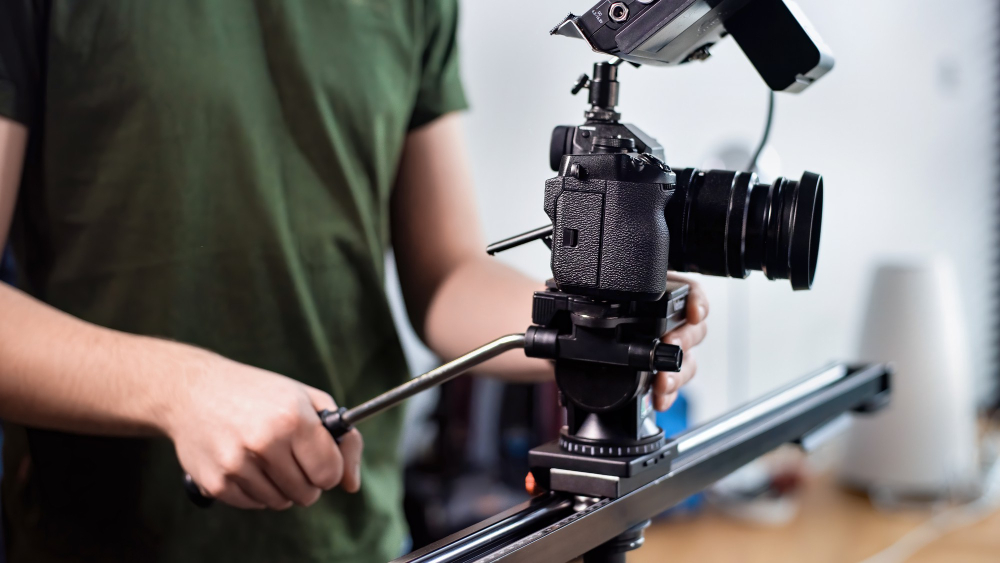
Let us be honest for a second… filming inside a manufacturing plant is never “just another shoot.” We walk in thinking it will be simple, and five minutes later we are dodging forklifts, dealing with low light, and wiping dust off the lens again. If we have done this even once, we know the feeling.
That is exactly why the right gear matters so much for industrial video production. Inside plants, conditions are tough. Lighting is uneven. Noise is constant. Safety rules are strict. Our equipment has to work with the space, not fight it.
So let us talk about what actually works.
Cameras That Handle Low Light and Movement
Most factory floors are not designed for cameras. Overhead lighting throws shadows. Some areas are bright, others are dim. Machines move fast.
That is why we lean toward cameras with strong low-light performance. Models like the Sony FX6, Canon EOS C70, or the Sony A7S III are popular for a reason. They handle higher ISO levels without turning the image into grainy noise.
There is real data behind this. Sensor testing from DxOMark shows that larger full-frame sensors perform better in low-light conditions. In factories where we can not control lighting, that matters. A lot.
High frame rates are also important. Many machines operate quickly. Being able to shoot 60fps or even 120fps gives us smooth slow motion. It helps show detail without motion blur. And sometimes those slow-motion shots are what make industrial videos stand out.
Lenses That Fit Tight Corners and Wide Floors
Manufacturing plants are unpredictable spaces. One minute we are squeezed between equipment. The next minute we are in a giant warehouse.
That is why versatile zoom lenses work best. A 24–70mm or 24–105mm lens covers most situations. We avoid changing lenses too often because dust is everywhere. And once dust hits the sensor… well, we all know that pain.
Image stabilization is another big help. Tripods are not always allowed near moving equipment. Safety rules, especially those guided by Occupational Safety and Health Administration standards, can limit where we stand and what we set up. Stabilized lenses and cameras let us move safely while keeping footage steady.
Audio That Survives the Noise
Here is something people outside the industry forget… factories are loud. Really loud.
According to the National Institute for Occupational Safety and Health, many industrial environments run above 85 decibels. That level can distort basic microphones and damage hearing over time.
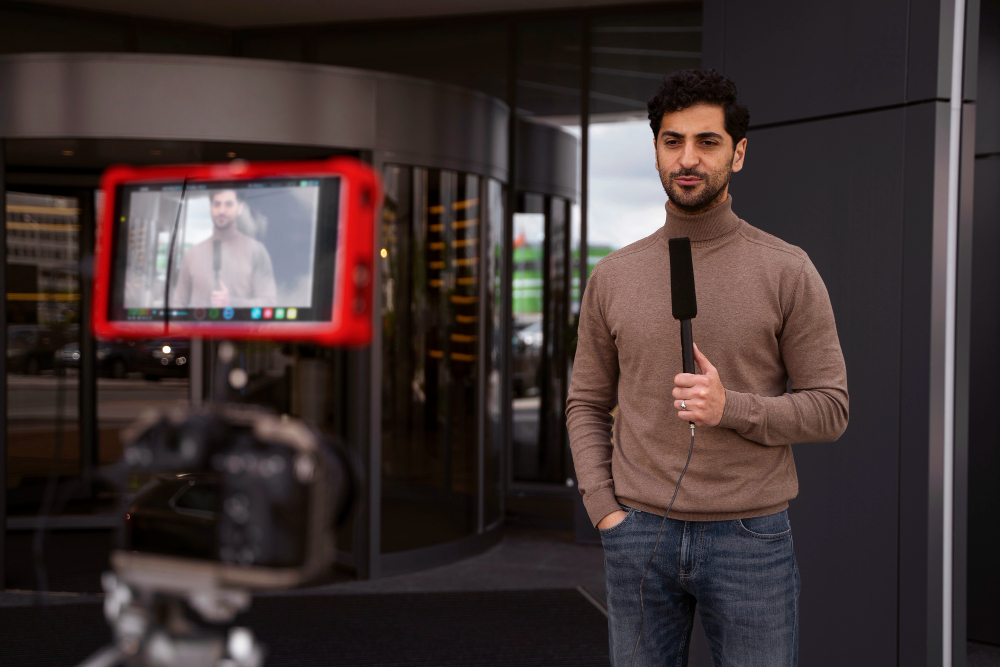
So we rely on directional shotgun microphones and wireless lav mics placed carefully away from machinery. External recorders help capture cleaner sound. We monitor audio constantly because fixing bad sound later is far harder than fixing shaky video.
Sometimes we even record voiceovers separately in a quiet space. It saves time in editing.
Lighting That Is Safe and Portable
Big lighting setups do not belong on active production floors. Too many cables. Too many risks.
Battery-powered LED panels are usually the safest option. They stay cool, are easy to move, and reduce tripping hazards. Research from the U.S. Department of Energy shows LED lighting is energy-efficient and safer due to lower heat output. That is one reason many plants already use LED fixtures overhead.
We prefer soft, diffused light. Hard light bouncing off metal creates harsh reflections. Soft light feels more natural and controlled.
Protection, Power, and Backup Plans
Dust. Heat. Vibrations. Industrial spaces are tough on gear.
Weather-sealed camera bodies and protective cages are worth the investment. We also bring extra batteries and memory cards. Power outlets are not always nearby, and stopping a production line because we forgot a battery… that is not happening.
Backup gear is not optional. It is insurance.
Experience Still Matters Most
Here is the honest truth… even the best equipment can fail if the crew does not understand the environment. Knowing when to move, where to stand, and how to respect safety rules makes a huge difference.
That is why many companies hire video production companies in Michigan that regularly film inside manufacturing facilities. Local teams often understand plant operations and compliance rules better than outsiders. That familiarity saves time and prevents costly mistakes.
Final Thoughts From the Factory Floor
Filming inside a manufacturing plant is about preparation and respect. Respect for safety rules. Respect for workers. Respect for the process.
The right camera equipment helps us adapt. Good low-light cameras. Flexible lenses. Reliable audio. Safe lighting. Backup gear.
When everything works together… the machines run smoothly, the crew moves confidently, and the footage looks sharp and clean.
And when no one trips over a cable? That is when we know it was a good shoot.




 Idea Sprout News
Leave a comment