
Staining a log home sounds simple until you’re knee-deep in choices, weather delays, old finishes that won’t come off, and advice that contradicts itself. People think staining is just about color. It’s not. It’s protection. It’s timing. It’s understanding what your logs are actually dealing with day after day. If you care about log house restoration, and you should if you own one, staining is one of those make-or-break steps. Get it right and the house holds up for decades. Get it wrong and you’ll be chasing rot, cracks, and peeling stain way sooner than you expected.
This isn’t a hype piece. No glossy brochure talk. Just the stuff homeowners usually learn the hard way.
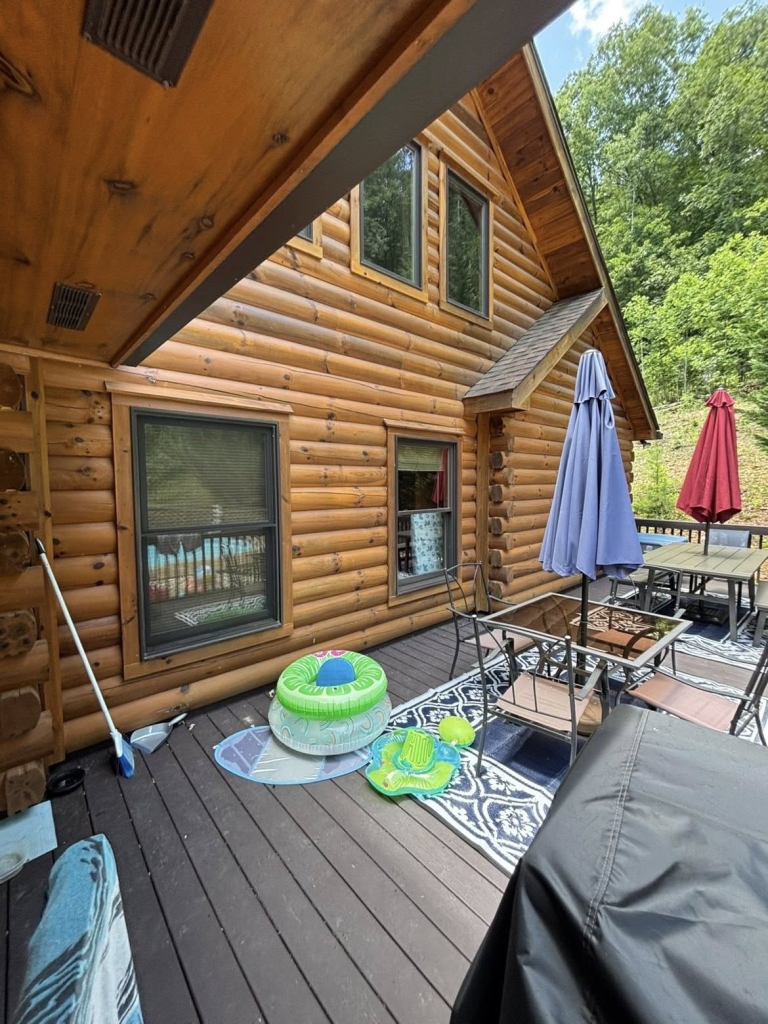
Understand What Condition Your Logs Are Really In
Before you even think about stain, you need to look hard at the logs themselves. Not from the driveway. Up close. Hands on. Press into the wood with a screwdriver or awl in a few spots. Solid wood pushes back. Soft wood doesn’t. Soft wood means moisture has been hanging around too long, and stain won’t fix that.
Old finishes matter too. If the previous stain is failing, flaking, or patchy, staining over it won’t magically even things out. You’re likely looking at stripping or media blasting to get back to bare or mostly bare wood. That step is messy, slow, and not optional if you want stain to actually soak in.
This is where people get impatient. They skip prep. They regret it later.
Moisture Is the Silent Problem Nobody Talks About Enough
Logs are basically giant sponges. They breathe. They absorb and release moisture constantly. If the moisture content is too high, stain won’t penetrate properly. It’ll sit on the surface and peel. Or it’ll look fine for a year, then start failing in weird blotchy ways.
You want logs dry enough to accept stain but not so dry they’re cracked open like old firewood. A moisture meter helps. Guessing doesn’t. If your area has been rainy, humid, or cold, drying time stretches out. Nature doesn’t care about your schedule.
This part tests patience. Always has.
Choosing a Stain Is About Protection, Not Fashion
Yes, color matters. Curb appeal matters. But stain choice should start with what kind of exposure your home gets. Full sun all day is brutal. South and west facing walls take a beating. Shade helps but doesn’t eliminate the problem.
Transparent stains look great at first. They also fade faster. Semi-transparent gives a better balance. Solid stains hide more, last longer, but cover up the wood grain. There’s no perfect option. Just tradeoffs.
Look for stains designed to flex with the wood, resist UV, and repel water. If it hardens like paint, that’s trouble waiting to happen.
Timing Matters More Than Most People Realize
Staining at the wrong time of year causes more failures than bad products ever will. Too hot and the stain flashes off before it penetrates. Too cold and it doesn’t cure. Too humid and moisture gets trapped.
Ideal conditions are boring. Mild temps. Dry weather. Overcast is actually better than blazing sun. If you’re racing a forecast, you’re already behind.
And no, staining right before winter because “it’ll protect it” is usually a bad idea.
Prep Work Is Where Log Homes Are Won or Lost
Cleaning isn’t just rinsing the logs and calling it a day. Dirt, pollen, mildew, old oils, insect residue, all of it needs to go. Gentle washing works. Aggressive pressure washing can tear up soft grain and drive water deep into the logs. That water has to come out later.
Then there’s sealing gaps. This is where log cabin caulking comes into play, and it’s not optional. Gaps between logs let water in. Water leads to rot. Caulking needs to stay flexible and move with seasonal log shifts. Rigid fillers crack and fail.
Do this step before staining. Always.
Application Isn’t a Race
Spraying looks fast. Brushing and back-brushing works the stain into the wood. Spraying alone often leaves uneven coverage, especially on rough logs. The goal isn’t to coat the surface. It’s to feed the wood.
Work in manageable sections. Don’t chase drips once they’ve started to set. That just makes things worse. And don’t stretch stain to cover more area than it’s meant to. Thin coats that soak in beat heavy coats that sit on top.
This is slower than people expect. That’s normal.
Maintenance Is the Reality Nobody Likes Hearing
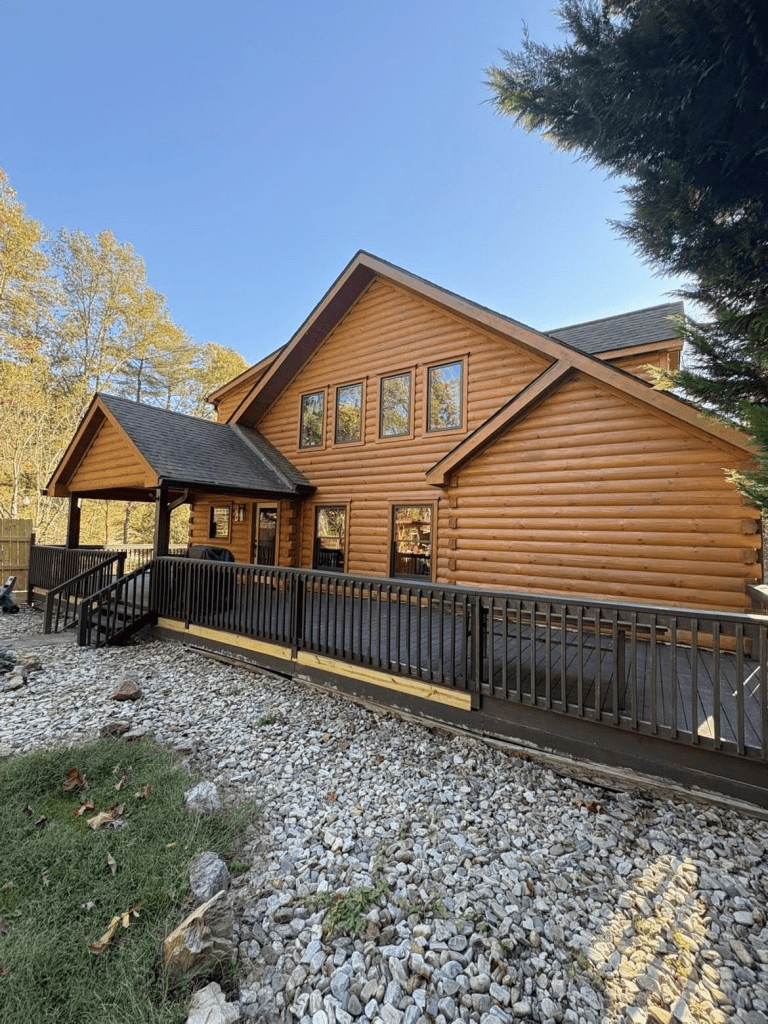
A stained log home is not maintenance-free. Anyone who told you that was lying or selling something. Sun exposure, rain, wind, insects, they all keep working whether you maintain the home or not.
Expect touch-ups. Expect inspections. Expect to recoat certain walls sooner than others. Log house restoration isn’t a one-and-done deal. It’s a long-term relationship with the structure.
The upside is, when you stay ahead of problems, they stay small and manageable. When you ignore them, they get expensive fast.
Know When It’s More Than Just Stain
Sometimes staining reveals deeper issues. Cracks widen. Dark spots show up. Insects leave trails you didn’t notice before. Stain doesn’t hide much. It exposes truth. That’s often when conversations about repairing rotted logs log home projects start — because once the surface is stripped back, the real condition of the wood is hard to ignore.
If logs are checking deeply or showing signs of decay, those issues need to be addressed before stain locks them in. Repairs first. Protection second. Always in that order.
There’s no shortcut around this, no matter how tempting it looks on a weekend calendar.
Conclusion
Staining a log home is part art, part science, part patience test. It’s not just about making things look better for a season. It’s about protecting one of the most demanding types of homes out there. When you understand your logs, respect moisture, choose the right products, and don’t rush the process, the results last. And they look good doing it.






 Idea Sprout News
Leave a comment