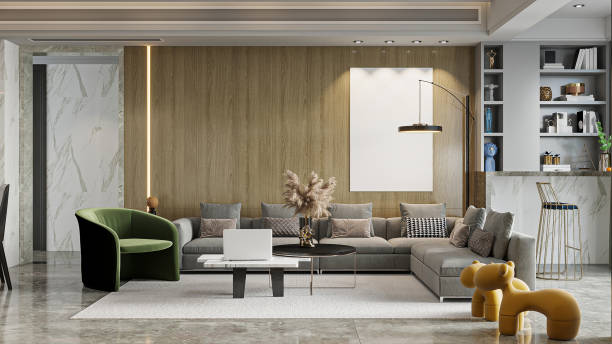
Let’s get this out of the way. Interior design isn’t about tossing in a trendy sofa and calling it a day. It’s not fluff. It’s not “extra.” And it’s definitely not just money flying out the door. When people look at a serious project like Dragon Residence Interior Design, they sometimes see the price tag before they see the long-term value. That’s normal. Big numbers make people pause. But here’s the truth — done right, interior design pays you back. In comfort. In property value. In function. In the way your home actually works for you instead of against you.
A well-designed space doesn’t just look good in photos. It changes how you live in it. And that’s where the investment part kicks in.
Good Design Protects and Increases Property Value
Real estate is one of the biggest investments most of us will ever make. So it’s wild to think some people skip professional interior design but will happily spend thousands fixing mistakes later. Smart design decisions — layout flow, lighting placement, material selection, built-ins, storage planning — they all add real, measurable value to a home. Buyers notice cohesive interiors. They feel quality. Even if they can’t explain it.
Homes with thoughtful interior architecture sell faster. Often for more. Why? Because they don’t feel pieced together. They feel intentional. And intention translates to confidence. A professionally designed space photographs better, shows better, and stands out in a crowded market. That’s not decoration. That’s strategy.
Functionality Saves You From Expensive Redos
Here’s something people don’t talk about enough: bad design costs more than good design. You rush through decisions. You buy furniture that doesn’t fit the scale of the room. You choose finishes that clash. Or worse — you skip planning the electrical layout and realise later you don’t have outlets where you actually need them. Then what? You redo it. Which means double the cost.
Interior designers think ahead. They plan for how you move through a space. How the light hits at 4 p.m. How cabinets open. Where traffic flows. That planning phase? It saves you from expensive corrections. And corrections are always pricier than doing it right the first time. Always.
Professional Design Creates Cohesion, Not Chaos
You know when you walk into a home, and something just feels… off? You can’t put your finger on it. The furniture might be expensive. The finishes might be high-end. But it doesn’t feel connected. That’s what happens without a design vision.
Interior design is about cohesion. It ties materials, textures, lighting, and architecture into one clear direction. Not matchy-matchy. Just aligned. When everything speaks the same language, the space feels calm. Elevated. Intentional.
That kind of cohesion doesn’t happen by accident. It comes from planning, mood boards, scaled drawings, revisions, sometimes even arguments over the right stone slab. It’s layered work. And layered work builds long-term value.
Time Is Money, and Designers Save You Both
Let’s be blunt. Most homeowners don’t have the time to source materials from five different vendors, compare trade pricing, schedule contractors, track deliveries, and manage installs. It’s basically a second job. And if you already have a real job, plus family, plus life? It’s exhausting.
Professional interior designers streamline the entire process. They know who to call. They know which vendors are reliable and which ones to avoid. They catch issues before they become disasters. That efficiency saves time, yes — but it also prevents costly delays.
Delays in renovation projects can spiral quickly. Missed deliveries. Incorrect orders. Miscommunication with trades. Every mistake chips away at your budget. A designer acts as a buffer. A project manager. A translator between you and everyone else. That’s not an expense. That’s protection.
Quality Materials Mean Long-Term Savings
Cheap finishes look fine for about five minutes. Then they chip, fade, warp, or just date quickly. And then you’re back to replacing them. Higher-quality materials cost more upfront. No question. But they last longer. They age better. They require less maintenance.
Good interior design focuses on durability as much as aesthetics. It’s about choosing the right flooring for high-traffic areas. The right fabrics if you have kids. The right lighting temperature so your kitchen doesn’t feel like a hospital.
You’re not just buying a look. You’re buying longevity. And longevity is where the return on investment really shows up.
Emotional Value Is Still Value
This part gets dismissed a lot, but it shouldn’t. Your home affects your mood. Your stress levels. Your productivity. A chaotic, poorly designed environment drains you. You feel it, even if you can’t articulate it.
A well-designed home does the opposite. It feels grounded. Comfortable. Easy. You move through it without friction. You enjoy being there. That emotional return? It matters. Especially if you work from home or spend a lot of time inside.
Design impacts how you live every single day. That daily impact compounds. Over the years, that’s significant.
Working With Experts Elevates the Outcome
There’s a reason high-end properties don’t rely on guesswork. Experienced professionals bring a perspective that homeowners just don’t have. They understand scale, proportion, spatial balance, and architectural detailing on a deeper level. They see possibilities that aren’t obvious.
In cities with competitive real estate markets, like Las Vegas, partnering with skilled Las Vegas Home Interior Designers can completely transform not just the look of a property but its market positioning. The right team doesn’t just decorate — they enhance lifestyle appeal, resale value, and overall sophistication. In a place where luxury is part of the culture, design standards are higher. And cutting corners shows.
Interior Design Is Strategic, Not Decorative
At its core, interior design is problem-solving. It’s strategic planning wrapped in aesthetics. Every choice serves a purpose — whether that’s maximising storage in a compact space or creating a seamless indoor-outdoor transition in a modern desert home.
The misconception that design is “just decorating” is outdated. Today’s residential interiors require technical knowledge. Lighting plans. Custom millwork drawings. Material performance considerations. Sustainability. Budget management. It’s layered and technical. Which means it’s valuable.
And value, when done right, outweighs cost.
Conclusion: Shift the Mindset
If you look at interior design as an expense, it will always feel optional. Something extra. Something indulgent. But when you step back and see how it impacts property value, functionality, longevity, emotional well-being, and resale potential, the perspective changes. It becomes clear. Interior design is an investment in how you live and what your property becomes over time. Spend wisely upfront, and your home works for you for years. Cut corners, and you’ll likely pay twice.
It’s not about spending more. It’s about spending smart.


 Idea Sprout News
Leave a comment