
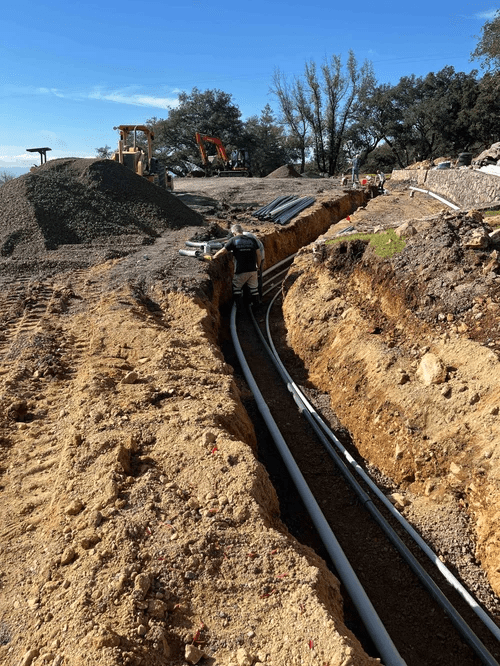
Most people think construction starts when the concrete truck shows up. It doesn’t. It starts way earlier, when someone is standing on raw land trying to figure out what that land is going to do over the next twenty years. In Santa Rosa construction, the projects that actually age well all have one quiet thing in common — serious attention to site development. Not flashy. Not exciting. But solid. You can build something beautiful on top, sure. But if the ground underneath isn’t prepared right, you’re building on borrowed time. That’s just how it goes.
We get attached to finishes. The design. The exterior look. But the real success of a build is decided before any of that. It’s decided in the dirt, in the grading plan, in how water moves across the property when nobody’s watching.
Site Development Is the Real First Phase of Construction
Let’s clear something up. Site development isn’t just clearing trees and flattening a lot. That’s the visible part, the noisy part. Real site work includes land surveys, soil reports, compaction testing, drainage studies, utility planning, and permit coordination. It’s technical. Sometimes tedious. But it sets the stage for everything else.
In and around Santa Rosa, you’re dealing with mixed soil types, sloped properties, older fill areas, and seasonal rain that can hit hard when it wants to. You can’t treat every lot the same. One property might need minimal adjustment. Another might require engineered fill and reinforced foundation systems. The land tells you what it needs. Good builders pay attention. The bad ones rush it.
Soil Testing and Compaction Aren’t Optional
Here’s the part homeowners rarely see: soil analysis. Before anything permanent gets installed, the soil should be evaluated. How stable is it? Does it expand when wet? Does it shrink when dry? Is it properly compacted? Skipping this step is like guessing the weight limit of a bridge without testing it. Sure, it might hold. Or it might not.
Professional site preparation often includes over-excavation, moisture conditioning, and compaction in layers. It takes time. It costs money. But it prevents foundation settlement later. I’ve seen slabs crack within a few years because compaction was rushed. You don’t always notice right away. Then one day, the tile starts separating, or the doors won’t latch. That’s not cosmetic. That’s movement underneath.
Once a foundation shifts, you’re no longer talking about small repairs. You’re talking structural correction. And that’s expensive.
Drainage Planning Protects the Structure for Decades
Water is the most underrated threat to any building. It doesn’t need drama. It just needs opportunity. If grading isn’t done correctly, water flows toward the structure instead of away from it. Over time, that moisture pressure builds against foundations. Proper drainage planning includes slope design, swales, subsurface drains, and sometimes retaining systems. In Santa Rosa construction projects, winter storms can expose weak grading almost immediately. Pooled water around a foundation isn’t just inconvenient. It weakens soil stability and invites long-term damage.
And here’s the thing — drainage mistakes aren’t always obvious during dry months. They show up when conditions get tested. That’s when you find out if site development was handled seriously or treated as an afterthought.
Grading Impacts Every Trade That Follows
Grading isn’t about making everything flat. It’s about shaping the land so the building sits correctly and water behaves predictably. On hillside lots, that can mean careful cut-and-fill balancing. On level lots, it’s subtle slope management. When grading is precise, the foundation crew works efficiently. Framers start square. Landscapers integrate smoothly with the build. When grading is sloppy, every trade that follows has to compensate. That usually means added labour and uneven results.
You might not see grading once the house is complete. But you’ll definitely feel the consequences if it wasn’t done right.
Utility Planning Is Part of Smart Site Work
Underground infrastructure doesn’t get attention, but it matters. Sewer lines need a proper slope. Water lines require correct depth and protection. Electrical and gas conduits must meet code and be accessible. If utilities aren’t coordinated during early site development, delays stack up. Trenches get reopened. Fresh compaction gets disturbed. Inspections get rescheduled. It turns into a domino effect.
Strong project management during the site phase avoids all that. It keeps construction moving forward instead of backward. And that efficiency saves money, even if homeowners don’t always see it happening.
Permits, Regulations, and Environmental Factors Shape the Site
Every successful build respects local regulations. Stormwater management rules. Erosion control requirements. Fire safety standards. These aren’t bureaucratic obstacles — they’re guardrails. In Santa Rosa construction, especially in areas affected by previous wildfires or hillside development, site planning must meet specific environmental and safety standards. Ignoring those details can stop a project cold.
Smart contractors address compliance early. They don’t wait for problems to surface mid-build. That foresight keeps projects steady instead of reactive.
Site Development Still Matters in Major Remodels
People assume site development is only critical for new builds. Not true. Structural additions and large renovations can shift how a property handles water and load distribution. If someone is searching for Home remodelling near me in Santa Rosa and planning to expand square footage or alter a foundation, site conditions still matter. Adding weight to unstable soil or changing drainage patterns without re-evaluating the lot can create brand-new issues. Problems that didn’t exist before the remodel started.
Remodelling isn’t just interior design. Once you alter the structure, you’re back to dealing with soil behaviour and grading strategy. It’s all connected.
Long-Term Value Starts Below the Surface
A building’s lifespan is heavily influenced by what happens beneath it. Proper site development reduces structural stress, prevents chronic moisture issues, and protects long-term value. Homes with solid foundations and effective drainage simply perform better over time. Buyers notice foundation cracks. Inspectors flag drainage issues. Repairs scare people. A well-prepared site protects not just the structure, but resale confidence too.
It’s not dramatic. It’s practical.
Conclusion
At the end of the day, successful construction isn’t just about what you see. It’s about what you don’t. The soil compaction tests. The drainage calculations. The grading adjustments that took an extra day prevented a future problem. In Santa Rosa construction, where soil conditions and seasonal weather can be unpredictable, proper site development is the real foundation of success. Not the concrete. The preparation before it.
You can upgrade finishes later. You can repaint, remodel, or redesign. But if the ground wasn’t handled right from the start, those upgrades sit on shaky footing. Good builds begin in the dirt. Quietly. Carefully. No shortcuts. And when that part is done right, everything above it has a chance to last.






 Idea Sprout News
Leave a comment