
Building a tiny house looks simple on YouTube. It’s not. It’s framing, permits, zoning calls that don’t get returned, and more paperwork than you expected. The fun part is the design. The hard part? Making sure your build actually passes inspection. That’s where tiny house code starts to matter more than your floor plan.
And if you ignore it, you’ll pay for it later.
I’ve seen first-time builders pour months into a gorgeous tiny home, only to find out they can’t legally park it where they want. Or worse, they built it to RV specs when their county treats it like a permanent dwelling. Two totally different rule books. Big difference.
So let’s slow it down and talk about what actually matters.
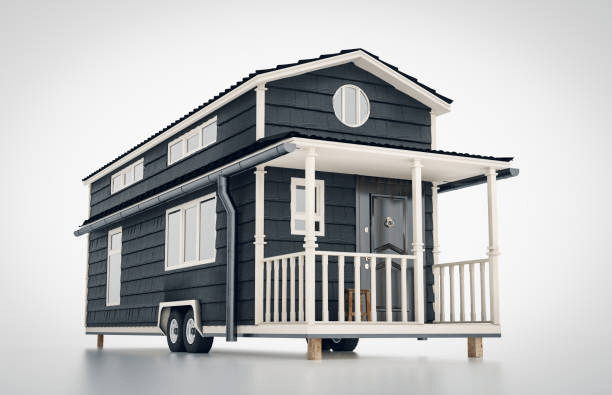
Understanding Tiny House Code Before You Swing a Hammer
Here’s the thing: building codes aren’t “suggestions.” They’re legal requirements. And tiny homes fall into a gray area depending on how they’re classified.
Is it on wheels? Then it might fall under RV standards.
Is it on a foundation? Now you’re probably under residential building code.
Accessory dwelling unit? That’s a whole other zoning layer.
Most areas use some version of the International Residential Code (IRC), and there’s actually an appendix specifically for tiny houses — Appendix Q. But that doesn’t mean your city adopted it. Some did. Some didn’t. Some adopted parts of it and tweaked the rest. Yeah. Messy.
Minimum ceiling heights, loft access rules, stair geometry, emergency egress windows — all of that gets very specific. For example, loft guardrails need to meet certain height requirements. Ladders have slope requirements. Sleeping lofts must have emergency escape openings. It’s not random.
And inspectors will check.
Before you buy materials, call your local building department. Ask blunt questions. Is Appendix Q adopted? What’s the minimum square footage? Can you legally live in a tiny house full time on private land? Don’t assume. Verify.
Zoning Will Trip You Up Faster Than Building Code
A lot of new builders focus only on construction requirements. They forget zoning.
Building code tells you how to build safely.
Zoning tells you where you can put it.
Totally different departments. Totally different rules.
You might build a code-compliant tiny home on wheels, perfectly safe, and still not be allowed to park it on a residential lot. Some counties classify tiny homes on wheels as RVs and limit how long you can occupy them. Thirty days. Ninety days. Depends on the local ordinance.
If you’re planning to place your home as an accessory dwelling unit (ADU), setback requirements matter. Property lines matter. Utility connections matter. And sometimes neighborhood HOA rules override everything.
It’s frustrating. But this is the part that separates hobby builds from legal homes.
Foundation vs. Wheels: Choose Carefully
This is a big fork in the road.
Tiny house on wheels (THOW) feels flexible. Lower upfront red tape in some areas. But if you want permanent utility hookups and legal year-round residence, you might struggle in stricter counties.
Foundation builds? Usually easier to classify under residential code. Harder to move. More site prep. Concrete, inspections at every stage, footing requirements — the whole deal.
If you go the wheels route, understand RVIA standards or NOAH certification. These certifications don’t replace local building code approval, but they can help with insurance and credibility.
I’ve talked to people who assumed “It’s on wheels, so it’s exempt.” That’s not how it works. Local authorities still regulate long-term occupancy.
Decide early. It changes everything.
Ceiling Heights, Lofts, and Egress — The Details That Fail Inspections
Tiny houses push vertical space. Lofts are common. That’s where Appendix Q actually helps.
Minimum ceiling height in a tiny house is typically lower than in standard homes — around 6 feet 8 inches for common spaces, and lofts can go lower under specific allowances. But it’s not random. There are numbers. Exact ones.
Emergency egress windows need minimum opening sizes. Not just any window counts. It must meet height and width requirements and be reachable.
Staircases? This is where most DIY builds get flagged. Full-sized residential stairs rarely fit. Tiny house code allows alternating tread stairs or ladders under conditions, but dimensions still matter. Inspectors measure rise and run. They check headroom clearance. It’s technical.
This is the stuff you don’t want to “figure out later.”
Utilities and Safety Standards — Don’t Cut Corners Here
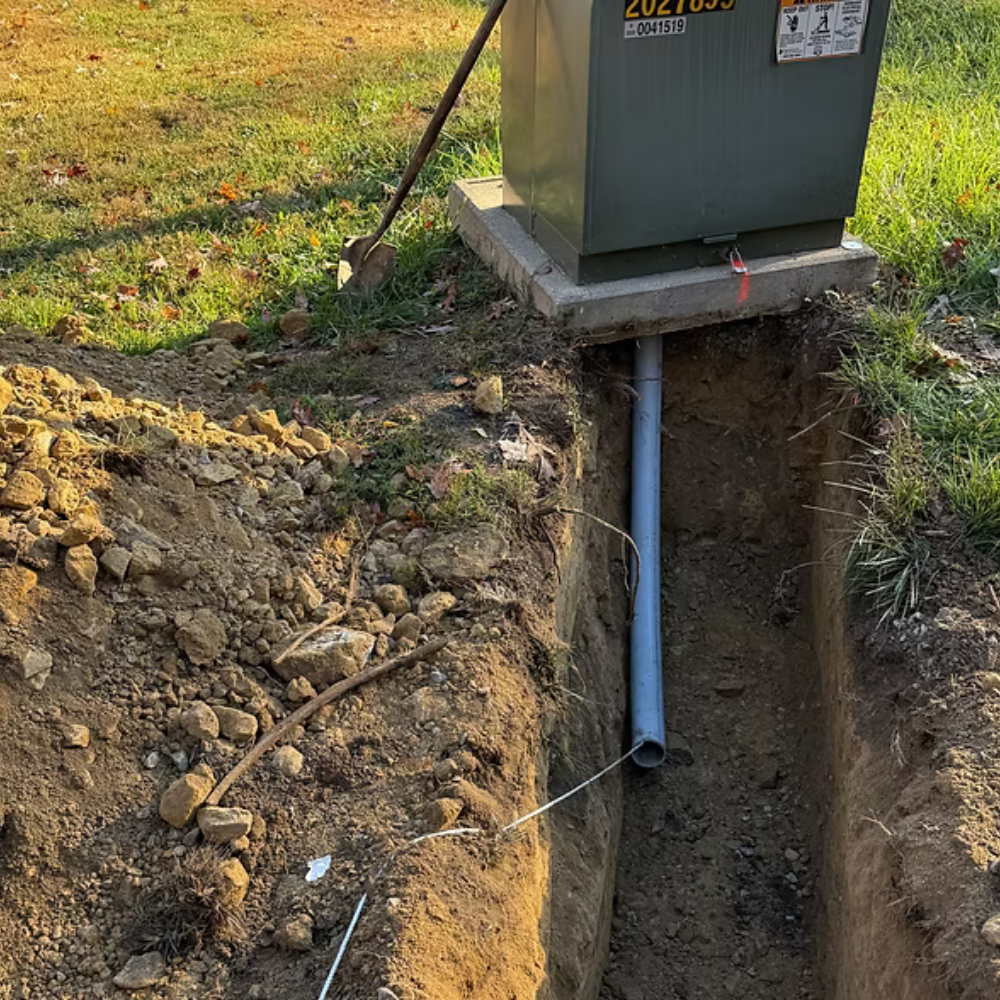
Electrical and plumbing work carry their own codes. National Electrical Code (NEC). Plumbing code. Venting requirements. Proper breaker sizing. GFCI outlets near sinks. Smoke alarms. Carbon monoxide detectors.
And yes, inspectors open panels.
If you’re not licensed, at least consult someone who is. A poorly wired tiny home is not charming. It’s dangerous.
Water heaters must meet clearance standards. Propane installations have separation rules. Combustion appliances need proper ventilation. Fire separation between sleeping lofts and kitchens may be required depending on layout.
This is not where you save money.
Work With People Who Know the Terrain
Some builders try to outsmart the system. That usually backfires.
There’s value in talking to people who’ve navigated your specific county before. The tiny house experts in your area — yes, the actual ones who’ve passed inspections, not just social media builders — can tell you what inspectors focus on.
They know which counties are flexible. Which require engineer stamps. Which allow ADUs under certain square footage. That kind of local knowledge is gold.
You don’t need to hire a luxury design firm. But getting real guidance early can prevent a six-month delay later.
Permits: Annoying but Necessary
Permit process feels slow. Because it is.
Plan review. Corrections. Resubmissions. Site plan approval. Utility approval. Sometimes septic permits if you’re rural. It stacks up.
Skipping permits might seem tempting. Especially if you’re building on private land. But unpermitted structures can create issues when selling property, refinancing, or dealing with insurance claims.
And if you ever get reported? You could be forced to remove the structure or bring it up to code after the fact. That’s expensive. Way more expensive than doing it right upfront.
Paperwork isn’t exciting. But it protects you.
Think Long-Term, Not Just Move-In Day
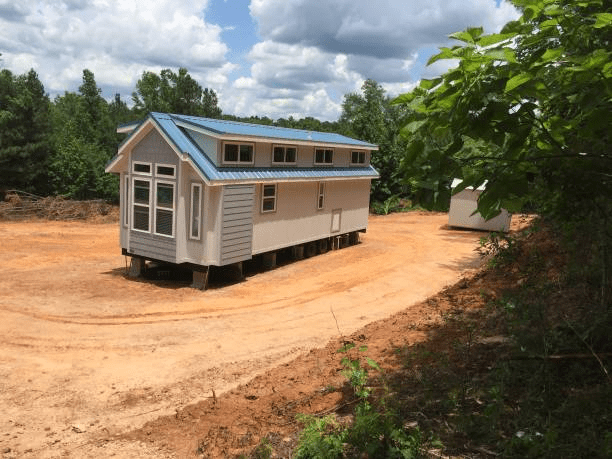
First-time builders often focus on finishing. Getting inside. Posting the reveal photos.
But tiny house code compliance affects long-term livability in ways people don’t think about until it’s too late.
Will insurance cover it?
Can you legally rent it out?
Will a lender recognize it as a dwelling?
Those questions don’t feel urgent when you’re sanding trim at midnight. But they matter. A lot.
Resale value depends heavily on documentation. Approved plans. Inspection records. Certifications if applicable. The Tiny Home Builders who operate professionally understand this — they build with paperwork in mind, not just aesthetics. Because one day you might sell. Or refinance. Or place it on different land.
A code-compliant tiny home holds value better. Simple as that.
Final Thoughts on Tiny House Code
Tiny houses are small. The rule book isn’t.
If this feels overwhelming, that’s normal. It’s a lot. But most problems come from assumptions, not complexity. People assume they’re exempt. Assume inspectors won’t notice. Assume zoning won’t apply.
It always applies.
Do the homework early. Call your county. Ask uncomfortable questions. Read the local amendments. Decide foundation or wheels before you design your loft height. Get clarity before you order materials.
You can absolutely build a legal, safe, beautiful tiny home. Thousands of people have. Just respect the process.
Tiny living feels simple. The path to get there? Not always. But if you take tiny house code seriously from day one, you avoid the expensive surprises later.






 Idea Sprout News
Leave a comment