
Hunting gear can get expensive fast. Anyone who’s spent time looking at rifles, optics, and accessories knows how quickly the numbers climb. New hunters especially feel it. You walk into a store or scroll online, and suddenly every scope claims to be “premium.” Prices jump from reasonable to ridiculous in seconds.
Somewhere in the middle of all that noise is what most hunters are actually looking for — the best affordable rifle scope that does the job without draining the wallet. Not the fanciest optic. Not the cheapest piece of junk either. Just something dependable. Clear glass, solid build, and it holds zero when it matters.
That’s really the goal here. A scope that works when you’re out in the cold woods at sunrise and a deer steps out at 120 yards. Nothing complicated. Just reliable equipment that helps you make a clean shot.
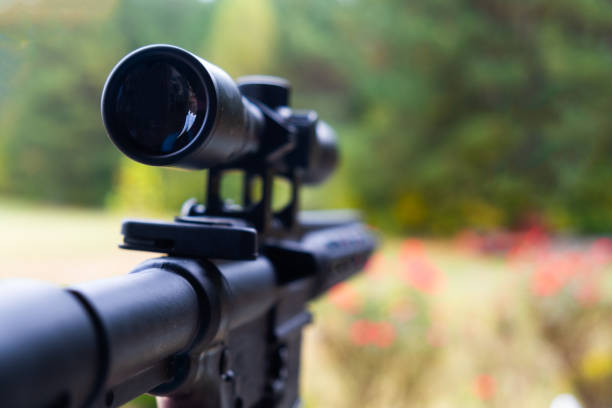
Why Beginners Often Overspend on Rifle Scopes
A funny thing happens when people buy their first scope. They assume price equals performance. Sometimes it does… but not always.
Many new hunters walk into a shop and immediately get pointed toward scopes costing more than the rifle itself. The sales pitch usually sounds convincing. “Better glass.” “Military grade.” “Elite performance.” It sounds impressive.
But here’s the honest truth. Most hunting in North America happens within 300 yards. A lot of it is inside 150. At that distance, you don’t need a thousand‑dollar optic. What you need is decent clarity, good light transmission, and adjustments that actually stay put.
The mistake beginners make is chasing features they’ll never use. Giant magnification ranges. Tactical turrets. Super complicated reticles that look like a math equation.
For hunting? Simple works better.
Understanding Magnification Without Overthinking It
Magnification is where things start confusing people. You’ll see numbers like 3‑9×40, 4‑12×50, even 6‑24x scopes that look like they belong on a sniper rifle in a movie.
Here’s the practical side of it.
A classic 3‑9x scope has been the standard hunting optic for decades. And for good reason. On 3x, you get a wide field of view when an animal moves suddenly. On 9x, you have plenty of zoom for longer shots across fields or clearings.
That’s it. Nothing fancy. Just proven.
Higher magnification scopes sound great on paper but can actually slow you down in real hunting situations. Too much zoom makes it harder to find the target quickly. It narrows your view. Sometimes dramatically.
Most hunters eventually realize this. After carrying oversized optics through the woods for a season or two.
Glass Quality Matters More Than Fancy Features
If there’s one thing worth paying attention to, it’s glass quality. Not marketing hype — actual clarity.
Good glass lets more light through. That matters a lot during early morning or right before sunset, which is exactly when animals tend to move. Cheap optics often get cloudy in low light. Everything turns gray and blurry.
A decent scope, even an affordable one, should still give you a sharp image during those last few minutes of legal shooting time.
You’ll notice the difference immediately. The image just looks cleaner. Edges stay defined. Colors look natural instead of washed out.
And no, you don’t need top‑tier European glass to get that. Plenty of mid‑range scopes deliver surprisingly good performance now.
Durability: Because Hunting Isn’t Gentle
Hunting gear gets abused. It rides in trucks, gets bumped against tree stands, sometimes dropped in the dirt. Rain happens. Snow happens. Occasionally you slip climbing a ridge and everything hits the ground.
Your scope needs to survive that.
Look for models that are nitrogen purged and sealed. That prevents internal fogging when temperatures change quickly. Waterproof construction matters too, especially if you hunt in wet climates.
Another thing beginners overlook is recoil resistance. A scope that holds zero after repeated shots is critical. If your optic shifts even slightly, your point of impact moves. That’s how clean shots turn into frustrating misses.
Reliable scopes don’t lose zero easily. Once mounted and sighted in, they stay consistent.
Balancing Budget With Practical Performance
Budget is real. Not everyone wants to drop a huge chunk of money on optics, especially when starting out.
The good news is the market has improved a lot over the past decade. Manufacturing has gotten better, competition has increased, and now there are several scopes that hit a sweet spot between price and performance.
You’re basically looking for that balance point. Something affordable but not disposable.
Hunters also tend to upgrade gear gradually. Maybe you start with a basic optic and learn what you actually like. Later on, you upgrade. Happens all the time.
And honestly, that approach works better than trying to buy “perfect” gear right away.
Gear choices expand over time too. People get interested in different shooting accessories, handgun setups, and upgrades. Some shooters eventually experiment with things like an extended mag for glock 19 at the range or for competition setups. Totally different purpose than hunting rifles, obviously, but it shows how equipment curiosity grows once you start getting deeper into shooting sports.
That curiosity isn’t a bad thing. It’s part of the hobby.
Simple Reticles Are Usually Better
Another trap beginners fall into is complicated reticles.
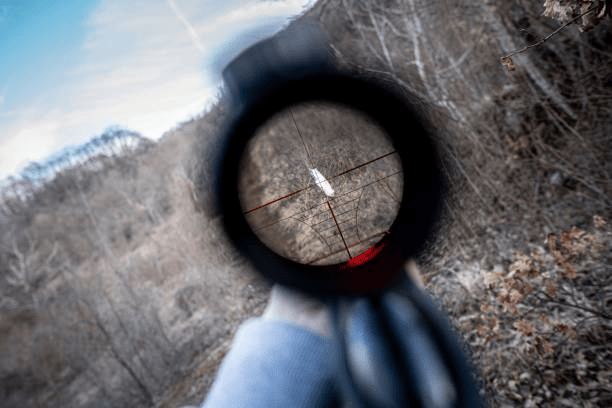
You’ve probably seen them — lines everywhere, dots, hash marks, wind holds, bullet drop indicators stacked across the entire view. They look impressive. Like you’re about to calculate a ballistic solution in the middle of the forest.
In reality, most hunters don’t need any of that.
A simple duplex reticle works extremely well for typical hunting distances. It’s clean. Easy to see. Quick to line up when an animal appears suddenly.
Less clutter in the scope means faster target acquisition. That’s something experienced hunters appreciate more every year.
Sometimes simpler really is better.
Weight and Size Actually Matter
Scopes might not look heavy at first glance. But once mounted on a rifle and carried all day… you start noticing.
Big optics can add significant weight to your setup. That may not matter if you’re sitting in a blind. But if you hike through hills, climb ridges, or stalk animals on foot, every ounce counts.
Compact scopes keep the rifle balanced and easier to handle.
They also tend to snag less on brush. Anyone who’s pushed through thick woods knows what I mean.
Final Thoughts
Finding the right hunting optic doesn’t have to be complicated. The industry sometimes makes it feel that way, but most of the time the basics win.
A clear optic. Reliable adjustments. Solid construction. Reasonable magnification.
That’s really what the best affordable rifle scope comes down to. Something dependable that helps you place a shot accurately when the moment arrives.
Beginners often think they need the most advanced gear available. In reality, many experienced hunters stick with simple setups that have proven themselves over years in the field.
Focus on practical performance. Ignore flashy marketing. Choose a scope that fits your rifle, your hunting style, and your budget.






 Idea Sprout News
Leave a comment