
Finding the right art class for kids isn’t always easy. You might think any studio that calls itself “creative” will do, but that’s not the case. Kids are different. They need more than just paint and paper. They need a place that sparks curiosity, keeps them engaged, and actually makes them want to come back. I’ve seen parents throw money at programs that look fancy online, only to watch their kids slump in boredom after one session. That’s why this guide exists. To help you figure out what really matters when you’re searching for an art class for kids, and not just chasing the first colorful flyer you see.
Why Choosing the Right Art Class Matters
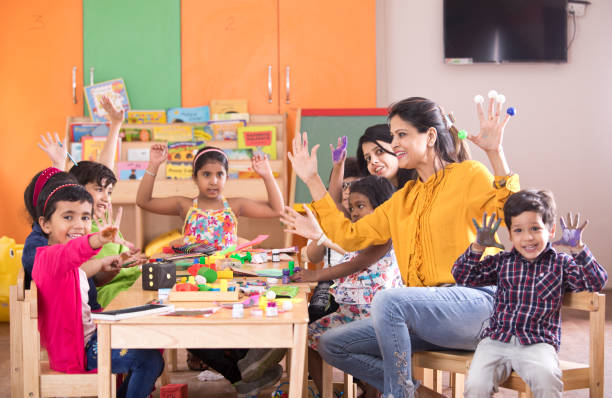
You might shrug and think, “It’s just a hobby.” But art does more than fill time. It teaches kids patience, observation, and even problem-solving without them noticing. And yes, it boosts confidence. When a child sees their own work on display, or just figures out how to mix that weird shade of green, it sticks. A sloppy brush stroke becomes a lesson, a tiny victory, not a failure.
But here’s the catch—every art program isn’t created equal. Some focus purely on technique, like how to hold a brush or follow a strict curriculum. Others emphasize exploration and creativity, letting kids get messy and experiment. Neither is “wrong,” but if your child is young or just starting out, too rigid a class can squash their enthusiasm.
Look Beyond the Studio’s Image
You’ve probably Googled “children’s art classes near me” and found a dozen places with cute logos, smiling kids, and wall-to-wall paint. Don’t pick based on that. Walk in if you can. Watch a class, even briefly. See how the instructor interacts. Are they patient? Do they encourage ideas or just correct mistakes?
Also, check how the space feels. Tiny cramped rooms with zero ventilation can turn even the most excited kid into a grump in five minutes. Light, airy spaces with room to spread out usually make for happier artists. It’s simple. Kids feel it, even if they don’t say it.
Instructor Style Matters More Than You Think
Not every artist makes a good teacher. Seriously. Some instructors are amazing painters themselves but treat kids like mini-adults, expecting perfect technique from day one. That’s a fast track to frustration. You want someone who can guide without hovering, who corrects gently but lets mistakes happen. Kids learn from messing up.
Also, pay attention to energy. A monotone teacher might be brilliant, but if your child’s attention span is short, it won’t stick. A little humor, encouragement, even some chaos in the classroom isn’t just fine—it’s good.
Age and Skill Appropriateness
It’s tempting to enroll your kid in the most advanced program because it “sounds impressive.” Don’t. Age-appropriate classes exist for a reason. Little kids don’t need instruction on perspective or chiaroscuro. They need freedom to experiment with color, texture, and form. Older kids can handle more structured lessons.
Check if the studio separates classes by age or skill. Mixed-age groups can work, but they often leave younger kids feeling lost, while older ones might get bored. Make sure your child is in a space where they can thrive at their own pace.
Hands-On Experience: Not Just Watching
Some classes are heavy on instruction and light on actual doing. That’s a red flag. Kids learn by making, touching, failing, and trying again. If a class spends more time watching demos than creating, it’s not going to be engaging. A good art class for kids balances teaching and doing. They should leave with more than just a paper on the fridge—they should leave excited about what they made and ready to come back.
Cost Isn’t Everything, But It’s Something
Art classes can get expensive. Big studios with fancy setups charge more, sure. But that doesn’t always equal quality. Sometimes a smaller, lesser-known studio has a better ratio of instructor to kids, more individual attention, and genuinely happy students. Check if materials are included or extra. Some places make you buy their pricey kits. That’s fine if the value is there, but don’t pay for fluff.
Community and Feedback
A strong art program isn’t just about what happens in class. Look at the community vibe. Are parents and kids engaged outside of class? Do they host showcases or little exhibitions? Even casual social media updates can show whether the class celebrates student work. Feedback is important too—some studios will give notes on progress, some won’t. Knowing how your kid is developing can help you support them at home.
Trial Classes: Test Before You Commit
Here’s a tip many parents skip—try before you buy. Most studios offer trial sessions. Take advantage. Watch how your kid reacts. Are they reluctant or excited? Do they ask to go back? That one-hour session tells you more than a brochure ever could. If they hate it, move on. If they love it, you’ve found your match.
Even small things matter. Do they remember the instructor’s name? Do they talk about what they did in class afterward? Those little signs indicate engagement.
Finding the Right Fit Online
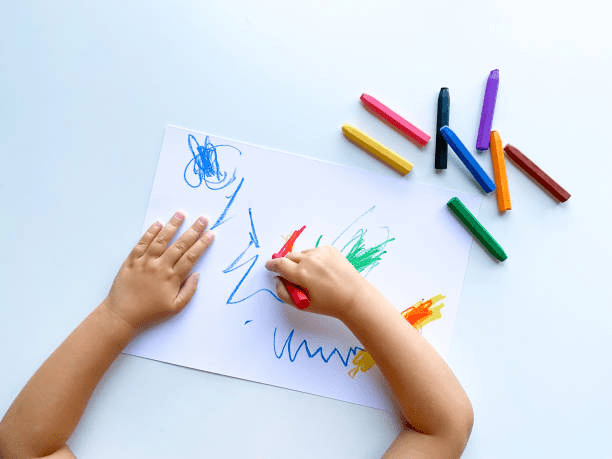
When you search for “children’s art classes near me,” don’t just skim reviews. Read them closely. Look for mentions of instructor attitude, class environment, and how kids respond—not just star ratings. Sometimes, a place with three stars but detailed feedback is more informative than a five-star, generic review. When researching options like art classes Cupertino, these details can give you a clearer idea of what the experience will actually be like for your child.
Also, check how the studio communicates. Prompt, friendly replies to questions show professionalism. If they’re slow or dismissive, imagine how it would be if issues came up mid-session.
Conclusion: Your Kid Deserves a Space to Shine
Choosing an art class for kids isn’t just about keeping them busy. It’s about giving them a space to explore, learn, and feel proud of what they create. Don’t rush it. Don’t settle for the first studio that pops up online. Walk in, ask questions, observe, and trust your instincts.
The right class will excite your kid, challenge them just enough, and leave them eager to come back. It’s worth putting in the effort. After all, fostering creativity early isn’t just about making little artists—it’s about giving kids tools for confidence, problem-solving, and expression that last a lifetime.





 Idea Sprout News
Leave a comment