
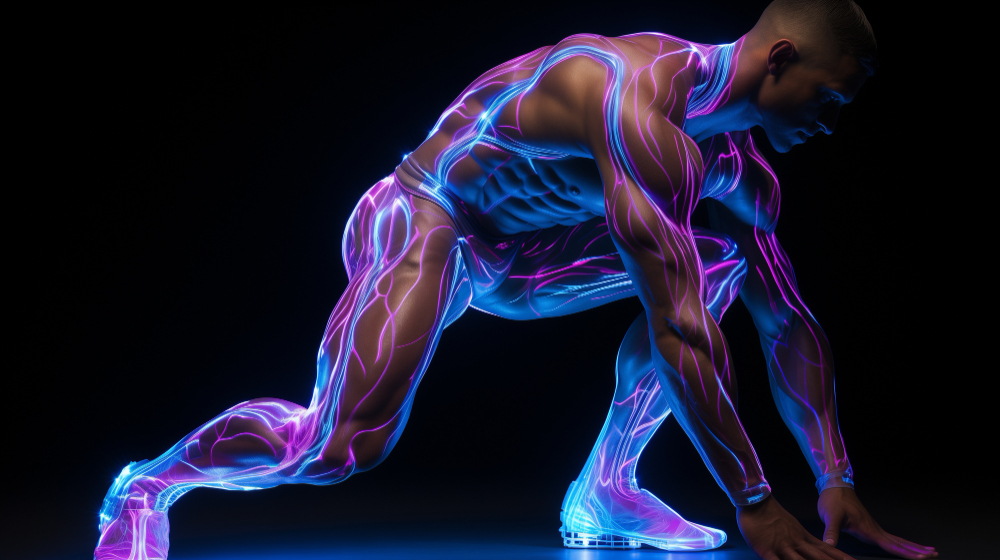
Let us talk about something we see in gyms all the time.
Someone grabs a weight, does a few reps… but the movement is very short. Half squat. Half curl. Half press.
Then another person does the same exercise but moves through a much bigger motion… lowering deeper, stretching the muscle, then finishing the rep properly.
Both people say they are doing the same exercise.
But are they really?
Not exactly.
The difference often comes down to something simple that many beginners overlook… range of motion. And once we start paying attention to it, training suddenly makes a lot more sense.
Even in a Personal Training course in Cairns, this is one of the first fundamentals highlighted, because proper range of motion can completely change the effectiveness of an exercise.
Once you notice it, you realise… it’s not just about lifting weights, but how you move them.
First… What Is Range of Motion?
Range of motion is basically how far a joint moves during an exercise.
That is it. Nothing complicated.
Think about a squat.
One person bends the knees a little and comes right back up. Another person lowers the hips much deeper before standing again.
Both are squatting… but the muscles are working through a very different distance.
The same thing happens in exercises like curls, lunges, presses, rows… pretty much everything we do in strength training.
Some people move through the full motion.
Others stop halfway without even realizing it.
And yes… that difference can change how the muscles respond.
Why a Bigger Range Makes Muscles Work Harder
When we move through a fuller range, the muscle works through its entire job.
At one end of the movement, the muscle stretches. At the other end, it contracts fully.
That stretch part is actually very important.
Imagine doing a dumbbell curl. If we start with the arm almost straight and then curl all the way up, the bicep works through the full motion.
But if we start halfway and only move a little… the muscle never really experiences that full stretch or full contraction.
It is kind of like only reading half a page of a book. We get some of the story… but not the whole thing.
When muscles work through a larger motion, they stay active longer during each rep. And that extra work can help them develop better over time.
But What About Partial Reps?
Now this is where people sometimes get confused.
Partial reps are not automatically bad.
In fact, experienced lifters sometimes use them on purpose. Maybe at the end of a set when the muscles are already tired. Maybe to focus on a specific part of the movement.
So the idea is not that partial reps are wrong.
The issue happens when every rep becomes a partial rep without intention.
If someone always cuts movements short, the muscles may not be challenged through their full capability.
And over time that can limit progress.
Control Is More Important Than Depth
Here is something we notice pretty quickly when watching people train.
Many people chase depth… but forget about control.
They drop quickly into a squat. Bounce at the bottom. Swing the weights during curls.
And honestly… that defeats the whole point.
A slower, controlled movement usually works the muscles much more.
When we control the lowering phase and the lifting phase, the muscles stay under tension longer. That is where the real challenge happens.
Anyone who has slowed down their reps knows this feeling.
Suddenly the same exercise feels much tougher… even though the weight did not change.
Sometimes the Body Just Needs Better Mobility
Of course, not everyone can move through a big range right away.
Sometimes the body simply feels tight.
Maybe the hips feel stiff during squats. Maybe the shoulders do not move comfortably during presses. Maybe the ankles limit how deep someone can go.
That is normal.
Mobility work and stretching can help over time. Gentle practice, warm ups, and consistent movement often open things up gradually.
During training programs like Certificate IV in Fitness Cairns, future trainers actually spend time learning how to spot these movement limitations. Once they notice them, they can help clients improve mobility safely.
It is not about forcing deeper positions. It is about helping the body move more comfortably over time.
The Goal Is Natural Movement
So how much range of motion should we aim for?
In most cases, a comfortable full range works really well. Nothing forced. Nothing rushed.
Just smooth movement.
Lower the weight… lift it back up… stay in control the whole time.
No bouncing. No cutting the rep short.
Simple things like that often make workouts far more effective.
At the end of the day, strength training does not need to be complicated.
Sometimes the biggest improvements come from small adjustments.
And improving the way we move through an exercise… even just a little… can make a surprisingly big difference.
FAQs
1. What is range of motion in strength training?
Range of motion refers to how far a joint moves during an exercise. For example, lowering fully into a squat and standing back up uses a larger range than stopping halfway.
2. Does full range of motion help build muscle?
In many cases, yes. Moving through a fuller range allows muscles to stretch and contract more during each rep, which can make the exercise more effective.
3. Are partial reps useful in workouts?
They can be useful in certain situations, especially for experienced lifters who want to add intensity or focus on specific parts of a movement.
4. What causes limited range of motion during exercises?
Limited movement can happen because of tight muscles, stiff joints, or reduced mobility in areas like the hips, shoulders, or ankles.
5. Can improving range of motion make workouts safer?
Yes. When the body moves more naturally and joints work through their normal range, exercises often feel smoother and more comfortable.





 Idea Sprout News
Leave a comment