
Weather doesn’t care about your schedule. That’s just the truth of it. You can plan everything right, line up materials, get a crew ready… and then a stretch of bad weather shows up and throws the whole log house restoration timeline off. Happens all the time. If you’re working with logs, you’re working with a material that reacts to moisture, heat, cold, and time. And yeah, it reacts fast.
Most folks underestimate how much weather actually controls the outcome. Not just the speed of the project, but the quality too. You rush it in the wrong conditions, you’ll be redoing parts of it sooner than you want. Simple as that.
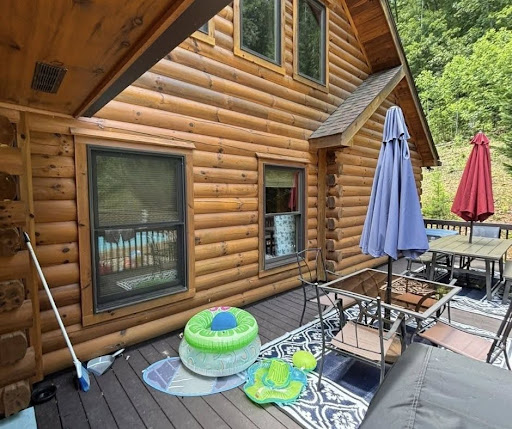
Why Weather Plays a Bigger Role Than You Think
Logs aren’t like brick or concrete. They breathe, shift, soak things in. When humidity spikes, wood swells. When it’s dry, it shrinks. That movement matters during restoration. If you’re sealing, staining, or replacing sections while the logs are in the wrong moisture state, you’re basically locking in future problems.
And it’s not always obvious right away. Everything might look fine when the job wraps up. Then six months later… cracks, peeling stain, gaps showing up. That’s weather catching up with rushed work. Happens more than people admit.
Rain and Moisture: The Silent Troublemaker
Rain is the obvious one, but it’s not just about getting wet. It’s about what sticks around after. Moisture seeps deep into logs, especially older ones that already have surface wear. If you start restoration work before that moisture levels out, you’re asking for trouble.
Stains won’t bond properly. Sealants trap water inside. And once that happens, decay speeds up from the inside out. You don’t always see it early, which makes it worse.
Even light drizzle over a few days can delay work more than a heavy downpour. It keeps everything damp. No proper drying window. You just sit there waiting… or you make a bad call and push forward anyway.
Hot Weather Isn’t Always Your Friend
A lot of people think summer is perfect for log work. Sometimes it is. Sometimes it’s a headache.
High heat dries out logs too quickly. That sounds good at first, but it can cause uneven drying. Outer layers shrink fast while inner layers hold moisture. That stress leads to cracking. Big ones, not the small surface checks you expect.
Then there’s the issue with stains and finishes. Apply them in extreme heat and they flash-dry. You don’t get proper penetration. The finish ends up sitting on top instead of bonding into the wood. Looks okay for a bit, then starts failing early.
You want warm, steady temperatures. Not scorching afternoons where everything dries before it has time to settle.
Cold Weather Slows Everything Down
Cold brings its own problems. Most restoration products—stains, sealers, adhesives—have minimum temperature requirements. Go below that, and they just don’t cure right. You might think they’ve set, but internally they’re still weak.
Frozen moisture inside logs is another issue. You can’t properly assess damage when water inside the wood is frozen. What looks solid in winter can turn soft and compromised once it thaws.
And working in cold… it’s slower. Tools don’t cooperate as well, materials stiffen up, crews move slower. That’s just reality. You don’t get the same efficiency as you would in mild conditions.
Humidity: The One People Forget
Humidity doesn’t get talked about enough, but it’s a big deal. High humidity slows drying times across the board. Even if it’s not raining, the air is still packed with moisture.
That affects everything—cleaning, sanding, staining. You end up waiting longer between steps. Skip that waiting time and you trap moisture again. Same story, different cause.
Low humidity can be tricky too. It can dry logs too fast, similar to extreme heat, leading to surface tension and cracks. You need balance. Not too wet, not too dry. Sounds simple, but it’s not always easy to catch that window.
Seasonal Timing Makes or Breaks the Project
There’s a reason experienced crews plan restoration work around seasons, not just availability. Spring can be unpredictable—rain, temperature swings, inconsistent drying conditions. Fall is often better, but shorter days and dropping temps limit your working hours.
Summer works if you manage the heat. Winter… usually not ideal unless you’re doing interior work or emergency fixes.
Timing isn’t just about convenience. It directly affects how well materials perform and how long the restoration lasts. Pick the wrong season, and even good work won’t hold up the way it should.
Wind, Sun Exposure, and Micro-Conditions
Here’s something people miss—weather isn’t uniform across the property. One side of the cabin might get hammered by sun all day, while another stays shaded and damp.
Wind speeds up drying, sometimes too much. Direct sunlight can heat surfaces unevenly. Shaded areas stay moist longer. That means different sections of the same structure might need different handling.
You can’t treat the whole cabin like it’s under identical conditions. If you do, you end up with uneven results. One wall holds up fine, another starts failing early. Not because the work was bad, but because conditions weren’t read properly.
Dealing With Repairs in Tough Conditions
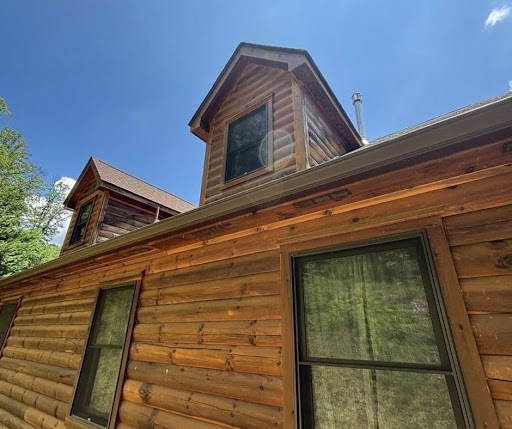
This is where things get real. When you’re repairing rotted logs log home structures during less-than-ideal weather, you don’t have the luxury of waiting forever. Sometimes damage is too far gone to delay.
In those cases, it’s about control. Temporary coverings, moisture barriers, careful scheduling between weather windows. You work in stages instead of trying to push everything through at once.
And yeah, sometimes you stop midway because conditions turn. That’s better than forcing it and ruining the repair. Slower is cheaper than doing it twice. People don’t love hearing that, but it’s true.
Planning Around Weather Instead of Fighting It
The best restoration jobs don’t ignore weather—they work with it. That means building flexible timelines, not rigid ones. Watching forecasts, adjusting day by day, even hour by hour sometimes.
You don’t just pick a start date and go full speed no matter what. You pause when needed. You shift tasks around. Maybe you prep one section while waiting for another to dry.
It’s not clean or perfectly scheduled. It’s a bit messy. But it works. And the results last longer, which is the whole point anyway.
Conclusion
Weather is always part of the job. You can’t outwork it or outplan it completely. You just learn to read it better over time. The difference between a solid log house restoration and one that starts failing early often comes down to how well the weather was handled during the process.
Take shortcuts around it, and you’ll see the consequences sooner or later. Respect it, work with it—even when it slows you down—and the structure holds up the way it should. Not perfect, but solid. And in this line of work, that’s what actually matters.






 Idea Sprout News
Leave a comment