
Most shooters hit a wall at some point. You practice, tweak your grip, adjust stance, slow your breathing… and still, your groups aren’t tightening the way you expect. It gets frustrating. Somewhere in that process, people start realizing it’s not always the shooter—it’s the gear. And yeah, optics for guns come into that conversation pretty fast. Not as a gimmick, not as some tacticool upgrade, but as something that genuinely changes how you see, aim, and shoot. It’s not magic, but it kinda feels like it the first time your shots actually land where you thought they would.
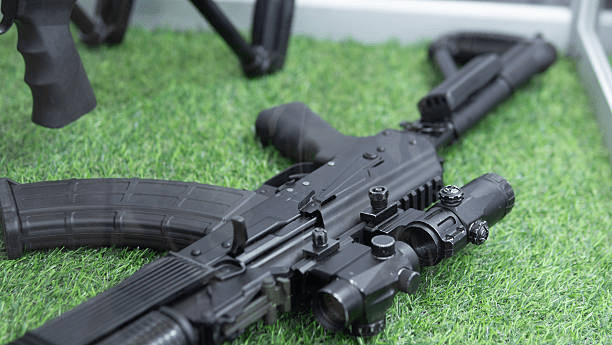
Why Iron Sights Hit a Limit Eventually
Iron sights work. Always have. People have been shooting accurately with them for decades, no question. But they demand a lot from your eyes—front sight focus, rear sight alignment, target blur, all at once. That’s three planes your brain is juggling in a split second. It’s not natural. Especially under pressure or low light, things fall apart quick. You rush, you misalign, and suddenly you’re off target. Optics simplify that mess. One focal plane. One clear point of aim. It removes a layer of mental strain that most shooters don’t even realize is there until it’s gone.
What Quality Optics Actually Change in Your Shooting
Here’s the blunt truth—good optics don’t make you a better shooter overnight, but they remove a lot of the friction that’s holding you back. A solid red dot or scope gives you faster target acquisition. You’re not hunting for alignment, you’re just placing a dot. That alone cuts hesitation. Then there’s consistency. Your sight picture becomes repeatable. Less guesswork. Less drift. Even small tremors in your hands feel less exaggerated because you’re focused on a single reference point. And yeah, you start noticing tighter groupings pretty quickly. Not because you suddenly got skilled, but because you finally removed a variable.
Speed and Accuracy Start Working Together
There’s this myth that you have to choose between speed and accuracy. That if you shoot faster, you’ll be sloppy. That’s mostly true with iron sights. But optics shift that balance. With a clean sight picture, your brain processes aiming faster, so your reaction time improves without completely wrecking precision. It’s subtle at first. Then it clicks. You stop overthinking every shot. You trust what you’re seeing. And that confidence? That’s where the real improvement comes from. Not the gear itself, but how it changes your behavior behind the trigger.
Not All Optics Are Built the Same (And That Matters)
Cheap optics exist. And honestly, they can do more harm than good. Poor glass clarity, inconsistent reticles, bad zero retention—it all adds up. You end up chasing your shots instead of improving them. Quality optics, though, stay reliable. They hold zero. They give you a crisp image. No weird distortions or flickering dots. It sounds basic, but it’s huge. When your equipment behaves the same way every time, you start building real muscle memory. That’s when your shooting stabilizes. That’s when progress sticks.
Confidence Is the Real Game-Changer
A lot of people overlook this part. Shooting is mental as much as it is physical. If you’re doubting your aim every time you line up a shot, you’re already behind. Good optics cut through that doubt. You see clearly. You aim clearly. You shoot without second-guessing every movement. That confidence builds fast. And once it’s there, it feeds everything else—better posture, smoother trigger pull, cleaner follow-through. It’s a chain reaction. Small upgrade, big impact.
Where Accessories Fit Into the Bigger Picture
Optics aren’t the only upgrade shooters think about, obviously. People tweak grips, triggers, and yeah, things like extended mags for glock 19 come up a lot when talking about performance improvements. But here’s the difference—most accessories change how the gun feels or functions mechanically. Optics change how you interact with the target itself. That’s a more direct influence on accuracy. It’s not about capacity or comfort at that point. It’s about clarity. And clarity is hard to beat.
Do You Really Need Optics to Shoot Well?
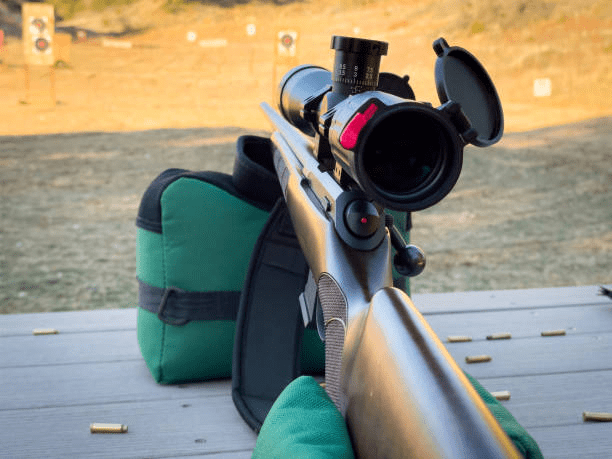
No. Let’s be real. You don’t need optics to shoot accurately. Plenty of skilled shooters stick to irons and perform insanely well. But the question isn’t about necessity—it’s about efficiency. Why make things harder than they need to be? If a tool exists that reduces error, speeds up your process, and helps you stay consistent, it’s worth considering. Especially if you’re serious about improving. It’s not cutting corners. It’s just using better tools.
Conclusion
At the end of the day, accuracy comes down to control and consistency. That’s it. And while practice builds both, the right equipment can accelerate the process in a way that feels almost immediate. That’s where quality optics stand out. They don’t replace skill, they support it. They clean up the noise, sharpen your focus, and let you shoot the way you were trying to all along. It’s not hype. It’s just a smarter way to aim.






 Idea Sprout News
Leave a comment