
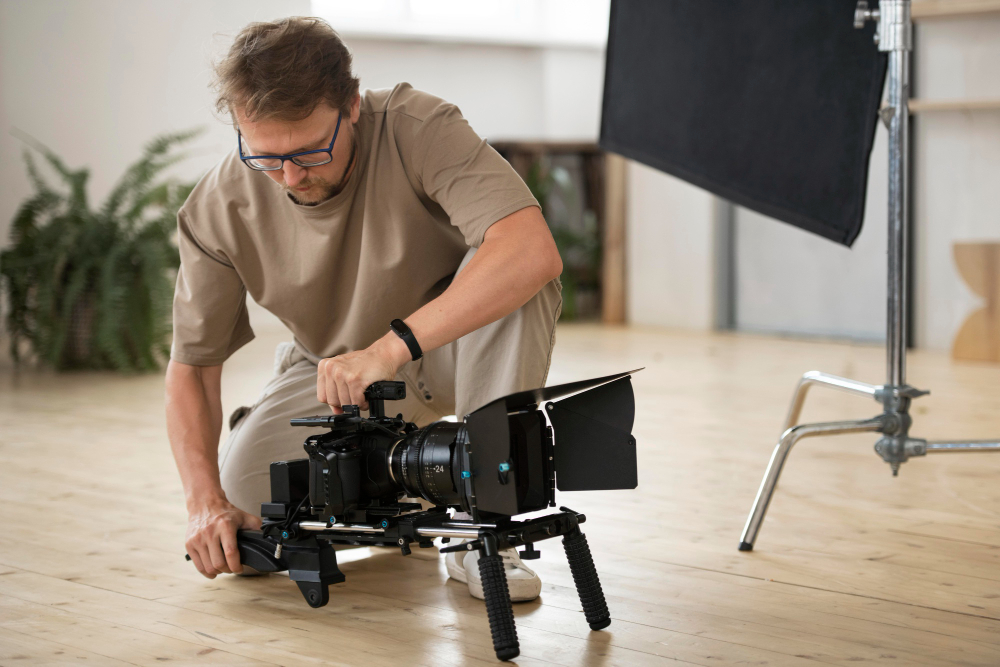
We have all been there… you shoot something that felt smooth in the moment, maybe even used stabilization… and then you watch it back and go, “Wait… why is this still shaky?” It is frustrating, especially when you are working on something like training video production, where clean visuals really matter.
Let us talk about it like real people, not like a manual. Because honestly… shaky footage usually comes down to a few small things we overlook.
Stabilization Is Not Magic… It Has Limits
We sometimes expect stabilization to fix everything. It does help, sure. But it is not a miracle worker.
If the camera is bouncing too much, or if the movement is too sudden, stabilization can only do so much. It crops the frame, tries to smooth motion… but if the base footage is messy, the result still feels off.
Think of it like trying to fix a blurry photo… you can improve it, but you cannot fully save it.
So yeah… stabilization works best when we already give it decent footage to work with.
Our Hands Are Not as Steady as We Think
This one hurts a little… but it is true.
We feel stable while shooting. We think we are holding the camera still. But tiny hand movements… breathing… even shifting weight from one foot to another… all of it shows up on video.
And the longer the shot, the more noticeable it becomes.
A simple fix? Use both hands properly, tuck your elbows in, and slow down. Or better… lean against something. A wall, a table… anything solid helps.
Walking Shots Can Get Messy Fast
Ever tried walking while filming? Looks easy… feels smooth… but the footage says otherwise.
Each step creates a slight bounce. Even with stabilization turned on, those little bumps stack up.
If we really need movement, we have to walk differently. Slow steps. Heel to toe. Almost like sneaking around… yeah, it feels weird, but it works.
Or… just use a tripod and keep it simple. Sometimes simple wins.
Wrong Settings Can Make It Worse
Here is something we do not always think about… camera settings.
If your shutter speed is too high, the footage looks sharp but also more “jittery.” There is no natural motion blur to smooth things out.
So even small shakes become more noticeable.
Lowering the shutter a bit can help create that natural smooth feel. It is a small tweak… but makes a big difference.
Lightweight Gear = More Shake
Light cameras are great… easy to carry, quick to set up. But they also pick up more movement.
Heavier setups naturally stay more stable because of the weight. That is why professional rigs often look bulky… they are designed that way for a reason.
If you are using a small camera or phone, adding even a simple stabilizer or grip can help reduce that unwanted shake.
Overusing Stabilization Can Backfire
This one surprises a lot of people.
Too much stabilization can actually make footage look weird. Warped edges… unnatural movement… that floating effect… yeah, not great.
It feels less real. Almost like the video is trying too hard to be smooth.
Sometimes it is better to dial it down and keep a bit of natural motion. It feels more human.
Tripods Still Matter… A Lot
We know… tripods are not exciting. But they work. Every single time.
If the shot does not need movement, why risk it?
Especially in professional video services, clients expect clean, steady visuals. A tripod instantly solves half the problems we have been talking about.
And honestly… it saves time in editing too.
Final Thought… It Is About Control
At the end of the day, shaky footage usually comes from lack of control… not lack of tools.
We rush shots. We trust stabilization too much. We ignore small movements.
Once we slow down… think about how we hold the camera… and use the right support… everything improves.
And yeah… it takes practice. But once you notice these things, you cannot unsee them.
FAQs
1. Why does my footage still shake even with stabilization on?
Because stabilization can only fix minor movements. If the original footage is too shaky, it cannot fully correct it.
2. Is handheld shooting always a bad idea?
Not at all. It works fine if done carefully. Good posture, slow movement, and proper grip make a big difference.
3. Does camera weight really affect stability?
Yes. Heavier cameras tend to stay more stable, while lighter ones pick up more hand movement.
4. Should we always use a tripod?
If the shot is static, yes. It is the easiest way to get perfectly steady footage without extra effort.
5. Can too much stabilization ruin footage?
Yes, it can make the video look unnatural or warped. A balanced approach usually works best.
If you want, we can also turn this into a checklist you can follow during shoots… makes things way easier.



 Idea Sprout News
Leave a comment