
When faced with an injury or habitual pain, deciding between physical therapy treatment and surgery can feel inviting. Both approaches promise relief, but their paths, counteraccusations, and long-term issues differ significantly. The choice between conservative care like physical therapy and more invasive surgical interventions frequently depends on the inflexibility of the condition, overall health, life, and particular preferences. Understanding the nuances of each approach can empower individualities to make informed opinions that align with their pretensions for mobility, comfort, and quality of life.
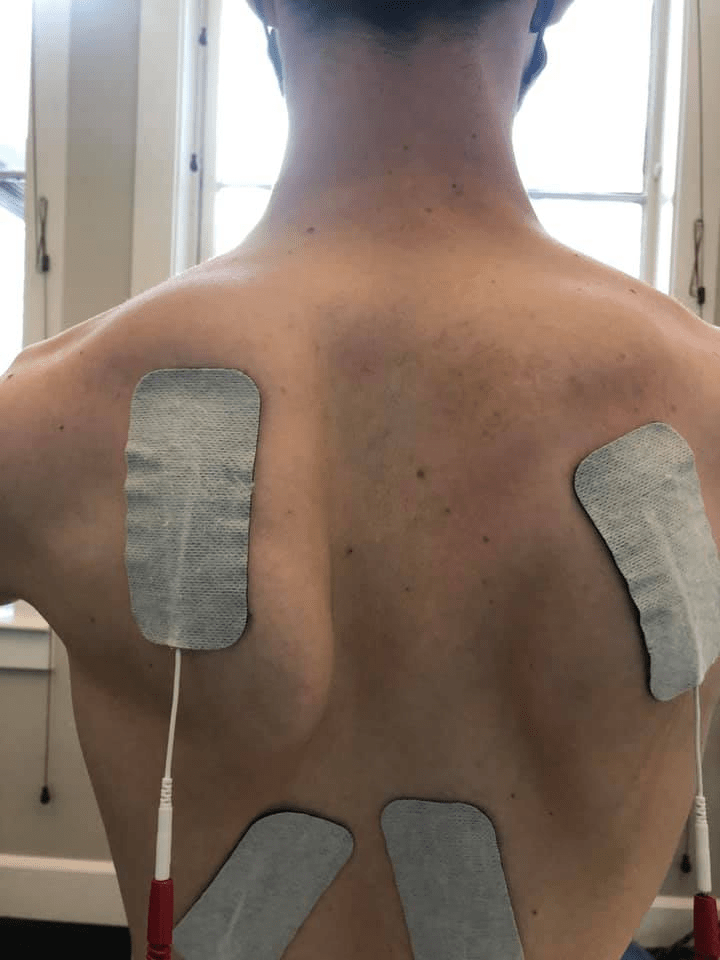
Understanding Physical Therapy Treatment
Physical remedy is a conservative approach that focuses on perfecting mobility, strength, and function through targeted exercises, homemade ways, and life variations. Unlike surgery, which directly addresses structural problems, physical remedy seeks to restore balance, inflexibility, and adaptability in the body.
The core principle of physical remedy is to enhance the body’s natural capability to heal and compensate for injuries or habitual conditions. Therapists estimate movement patterns, identify sins or imbalances, and produce substantiated programs that address the root cause of pain rather than just the symptoms. For case, knee pain caused by weak quadriceps or poor hipsterism alignment may ameliorate through specific strengthening and stretching exercises, without the need for invasive procedures.
Beyond exercises, physical remedy incorporates colorful ways similar as soft towel rallying, common manipulation, and modalities like heat, cold, or electrical stimulation to reduce pain and inflammation. Education on posture, ergonomics, and body mechanics is also a vital element, helping cases help unborn injuries.
Physical remedy is particularly effective for conditions like habitual reverse pain, tendonitis, common stiffness, mild to moderate arthritis, and certainpost-injury reclamations. Because it’snon-invasive, it generally carries smaller pitfalls than surgery and allows individualities to maintain their diurnal conditioning while witnessing treatment.
Exploring Surgical Intervention
Surgery is a more invasive approach, generally reserved for conditions where conservative treatments have n’t handed sufficient relief or where structural damage is severe. Surgical procedures aim to repair, replace, or reconstruct damaged apkins, joints, or bones.
Surgical options vary extensively depending on the condition. Common exemplifications include common reserves, ligament reconstructions, herniated slice repairs, and arthroscopic interventions. Surgery is frequently recommended for individualities with significant pain, loss of function, or structural abnormalities that help normal movement.
While surgery can give faster and further definitive results in some cases, it carries essential pitfalls, including infection, blood clots, whim-whams damage, and complications from anesthesia. Recovery frequently requires a combination of rest,post-operative care, and occasionally recuperation. Physical remedy is constantly a pivotal element ofpost-surgical recovery to restore mobility, strength, and function.
Surgical intervention can be life- changing for individualities with severe injuries or degenerative conditions that limit diurnal conditioning. still, the decision to suffer surgery should consider not only the implicit benefits but also the recovery time, possible complications, and long- term impact on overall health.
Comparing Physical remedy and Surgery
Understanding the differences between physical remedy and surgery involves considering several crucial factors
Effectiveness
The effectiveness of physical remedy versus surgery depends on the nature and inflexibility of the condition. Mild to moderate musculoskeletal issues frequently respond well to physical remedy, allowing cases to recapture function without the pitfalls of surgery. In discrepancy, severe structural damage or advanced common degeneration may bear surgical intervention to restore mobility or reduce habitual pain.
Recovery Time
Physical remedy generally allows for gradational, ongoing recovery, frequently without significant dislocation to diurnal life. Cases may continue to work or perform regular conditioning while attending sessions. Surgery, on the other hand, generally necessitates a period of rest and recuperation, which can range from weeks to months depending on the procedure.
Pitfalls and Complications
Non-invasive approaches like physical remedy generally have minimum threat, with utmost side goods limited to temporary soreness or fatigue. Surgery carries advanced pitfalls, including infection, adverse responses to anesthesia, and implicit complications during mending. Post-operative complications may also protract recovery and bear fresh interventions.
Cost Considerations
Surgery is frequently more precious than physical remedy due to sanitarium freights, anesthesia, surgical accoutrements , andpost-operative care. Physical remedy, while taking multiple sessions over time, generally represents a lower overall cost and is less financially burdensome for utmost individualities.
Long-Term issues
Physical remedy can offer sustainable long- term benefits by strengthening the body, perfecting inflexibility, and promoting injury forestallment. Surgery may give immediate structural form but frequently requires ongoing recuperation and life adaptations to maintain the benefits. also, some surgical procedures, like common reserves, may have a limited lifetime, potentially challenging unborn variations.
Factors to Consider When Making Your Decision
Choosing between physical remedy and surgery is deeply particular and should consider multiple factors inflexibility of Condition Mild injuries, habitual pain from overuse, or beforehand- stage degenerative changes may respond effectively to physical remedy. Severe injuries, structural scars, or advanced common degeneration may bear surgical correction for meaningful enhancement.
Life and diurnal Conditioning
Consider how each option may affect your diurnal life. Physical remedy allows gradational advancements without long ages of inactivity, while surgery may bear temporary limitations on work, trip, or physical exertion.
Particular pretensions
Your particular pretensions and prospects play a pivotal role.However, surgery might give the structural stability demanded, If the end is to return to high- impact sports or demanding physical work. For general mobility, pain relief, and enhanced quality of life, physical remedy may be sufficient.
Forbearance for threat
Some individualities prefer to avoid the pitfalls associated with surgery and are willing to commit to the time and trouble needed for physical remedy. Others may prioritize faster results despite implicit complications. Understanding your forbearance for threat helps guide the decision- making process.
Integrating Physical remedy and Surgery
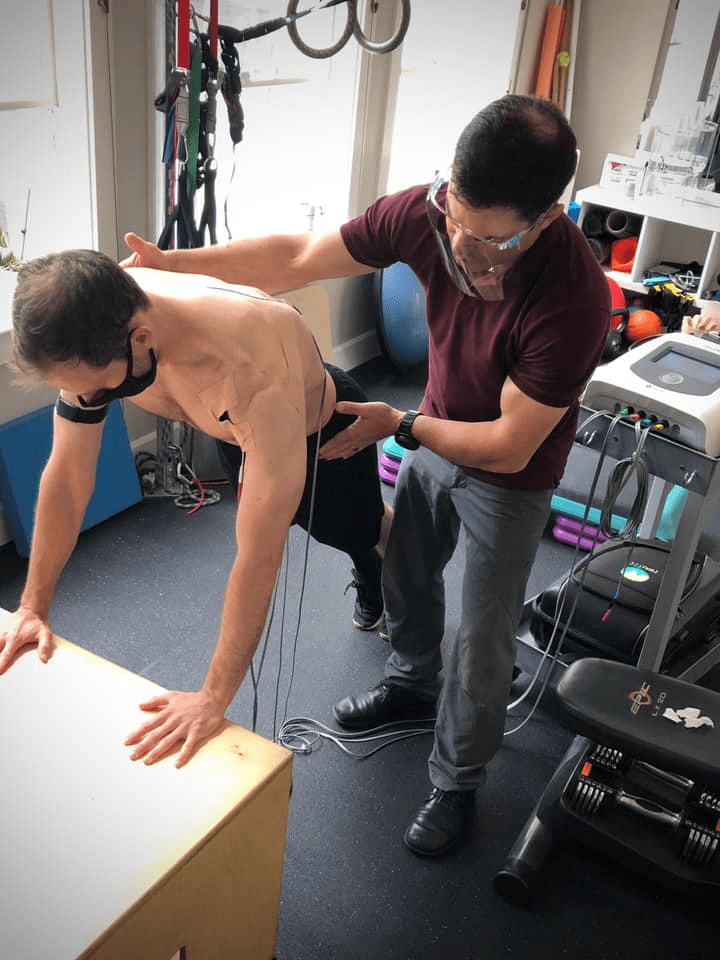
It’s important to note that physical remedy and surgery are n’t mutually exclusive. In numerous cases, combining both approaches yields the stylish issues. Pre-operative physical remedy, frequently called “ prehabilitation, ” can strengthen the body and ameliorate recoverypost-surgery. After surgery, physical remedy is critical for recovering function, inflexibility, and strength, icing that surgical interventions restate into meaningful long- term benefits.
For some conditions, original treatment with physical remedy may reduce or exclude the need for surgery altogether. In other cases, physical remedy serves as a introductory step to maximize surgical success and minimize recovery time. This integrated approach emphasizes a case- centered model that prioritizes long- term health and functional issues.
Conclusion
Deciding between physical remedy and surgery requires careful consideration of the condition, particular pretensions, life, and forbearance for threat. Physical remedy, including targeted manual therapy, offers a non-invasive, low-threat pathway to recovery, promoting long-term strength, inflexibility, and injury forestallment. Surgery provides a more direct intervention for severe injuries or structural issues but comes with advanced pitfalls, costs, and recovery demands.
Eventually, the stylish choice is one informed by medical guidance, thorough evaluation, and reflection on particular precedences. Some individualities may find that physical remedy alone addresses their requirements, while others may bear surgical intervention rounded by targeted recuperation. By understanding the differences, benefits, and challenges of each approach, individualities can make empowered opinions that support their mobility, comfort, and overall quality of life.




 Idea Sprout News
Leave a comment