
Every parent has seen it. A child who seems restless, frustrated, or just plain bored. They have energy but nowhere meaningful to put it. That’s where an art summer camp for kids can become something much bigger than a way to fill free time. It’s not just about painting pictures or making crafts. It’s about giving children a place where they can think differently, express themselves, and actually enjoy creating something with their own hands.
Not every kid is into sports. Some don’t care much about competition, and honestly that’s okay. Creative children often need a different kind of space. One where there isn’t a scoreboard or pressure to be the best. Art gives them that chance. It lets them slow down a little, make mistakes, fix them, then keep going. That process matters more than most people realize.
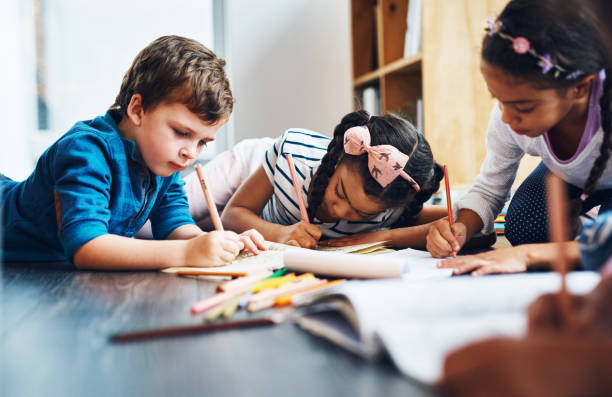
Creativity Builds Confidence One Project at a Time
Confidence doesn’t always come from winning. Sometimes it comes from finishing something that felt impossible an hour earlier.
A blank canvas can be intimidating at first. So can a lump of clay or a drawing pad. But kids figure things out surprisingly fast when nobody is standing over them expecting perfection. They experiment. They change colors halfway through. They laugh when something looks funny. And then suddenly they have something they’re proud of.
That feeling sticks.
Creative activities teach children that progress matters more than perfection. They start trusting their own ideas instead of waiting for someone else to tell them exactly what to do. It’s a quiet kind of confidence, but it lasts.
Art Gives Big Feelings Somewhere to Go
Children don’t always have the words to explain what’s going on inside their heads.
Maybe they’re excited. Maybe nervous. Maybe they’re dealing with changes at school or home. Sometimes those feelings show up as frustration or silence instead of conversation.
Art becomes another language.
Drawing, painting, sculpting, even simple mixed-media projects allow children to express emotions without having to explain every detail. They aren’t worrying about saying the right thing. They’re creating. That’s enough.
Parents often notice that kids seem calmer after spending time making art. Not because every problem disappeared, but because they had somewhere healthy to put those emotions.
Less Screen Time, More Hands-On Learning
Let’s be honest. Screens are everywhere.
Phones, tablets, games, videos. They all have their place, but too much passive entertainment can leave kids feeling disconnected from the real world.
Art pulls them back into it.
Mixing paint. Cutting paper. Building something from recycled materials. Feeling different textures. These simple experiences engage the brain in ways that scrolling just doesn’t.
Children become problem solvers without even realizing it. They make decisions, adapt when something doesn’t work, and discover that creating with their hands is actually fun. Funny how quickly they forget about their devices once they’re fully involved in a project.
Learning to Solve Problems Without Realizing It
One of the biggest surprises about art education is how much thinking happens behind every project.
Kids constantly make choices.
Which colors work together? How can this structure stand up? What happens if I try something different?
There usually isn’t one correct answer, and that’s exactly the point.
Creative thinking grows when children are free to experiment without worrying about getting everything right. That mindset carries into school, friendships, and everyday situations. They become more flexible. More curious. More willing to try again after something doesn’t work.
Those are life skills, not just art skills.
Working Alongside Other Creative Kids Matters Too
Art may seem like a solo activity, but it often creates strong social connections.
Children share ideas naturally. They ask questions. They complement each other’s work without even thinking about it. Sometimes they’ll borrow inspiration from someone sitting nearby, then turn it into something completely different.
That environment feels different from competitive activities.
Everyone is creating their own version of success. Kids learn to respect different perspectives because every project looks unique. No two paintings are exactly alike, and that’s celebrated rather than corrected.
For children who are shy or still building social confidence, creative classes can be a surprisingly comfortable place to make friends.
Art Encourages Patience in a Fast-Paced World
Most things today happen instantly.
Videos load in seconds. Games restart with one button. Answers appear after a quick search.
Art doesn’t work like that.
Paint needs time to dry. Details take patience. Sometimes a project doesn’t come together until the very end, and even then it might need another adjustment.
Kids learn that good things often take time.
They also learn that mistakes aren’t disasters. A drawing can be changed. A painting can be layered over. A sculpture can be reshaped. That lesson alone is worth a lot because life rarely goes perfectly the first time either.
Choosing an Art Program That Inspires Kids
Every child is different, so finding the right environment matters.
Some enjoy structured lessons with clear guidance. Others thrive when they’re given freedom to explore different materials and techniques. The best instructors understand both approaches. They encourage creativity without taking over the project themselves.
A welcoming classroom also makes a difference. Kids should feel comfortable asking questions, trying something unusual, or even laughing when an experiment doesn’t go as planned. Those little moments are often where the biggest learning happens.
Why an Art Summer Camp Creates Lasting Memories
An art summer camp offers something many children don’t experience during the regular school year. They have more time to explore, create bigger projects, and really settle into the creative process without rushing through it. Friendships develop naturally. Skills improve almost without them noticing. By the end of the experience, many kids aren’t just bringing home artwork. They’re bringing home confidence, curiosity, and memories they’ll talk about long after summer ends.
A Small Creative Step Can Have a Big Impact
Giving a child access to art isn’t about raising the next famous painter. That’s never really been the point. It’s about giving them a healthy outlet, encouraging independent thinking, and helping them discover abilities they didn’t know they had. Sometimes all it takes is a paintbrush, a little guidance, and the freedom to create without pressure. Those simple experiences can shape confidence, resilience, and creativity in ways that continue growing for years. And honestly, that’s a pretty meaningful investment in any child’s future.


Leave a Reply