
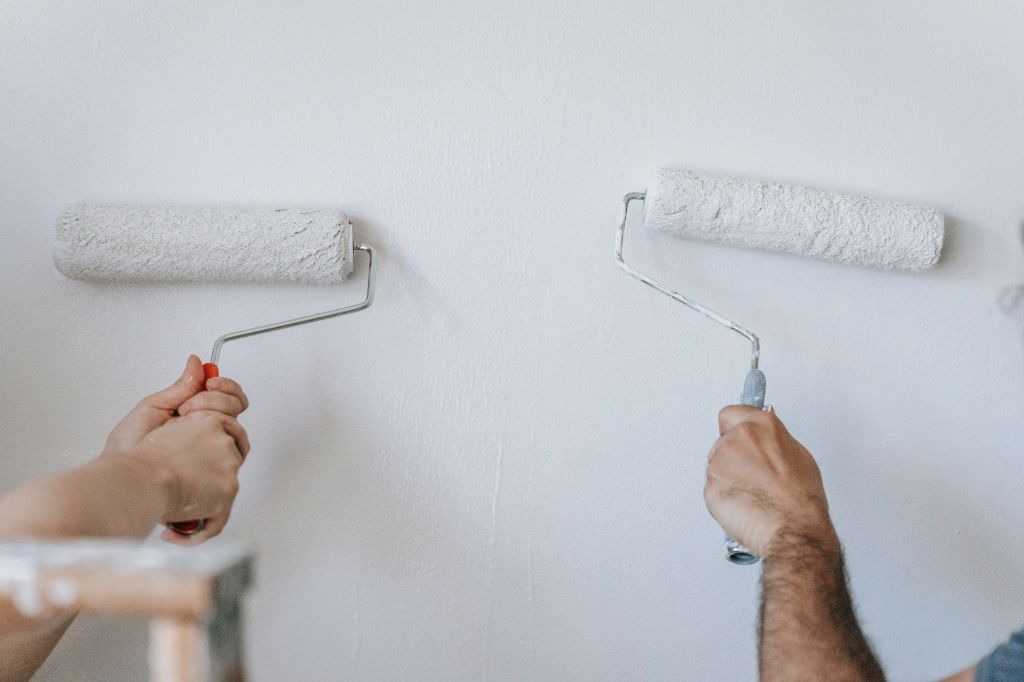
Most people think bigger roller equals faster job. Sounds logical, right? More coverage, fewer passes, done quicker. But that’s not always how it plays out on an actual job site. Truth is, smaller tools sneak in and do the heavy lifting more often than folks expect. A 4 inch roller paint setup, for example, can get into spots a 9-inch roller just fights with. And when you’re dealing with tight corners, trim edges, cabinets, or weird surfaces, that fight wastes time. So yeah, small rollers? They’re not backup tools. They’re the ones pros reach for when things get real.
Tight Spaces and Awkward Angles Change Everything
You ever try pushing a standard roller behind a toilet tank or along narrow stair risers? It’s messy. You end up switching tools anyway. That’s where 4″ and 6″ rollers step in and just… work. No forcing, no weird wrist angles. They fit where they’re supposed to. It sounds small, but over a full day, that convenience stacks up. Less fatigue too, which nobody talks about enough. A smaller roller lets you control pressure better, especially in cramped spots. You don’t over-apply paint, and you’re not constantly correcting mistakes. It just flows better. Literally.
Control Matters More Than Coverage (Most Days)
There’s this idea that speed equals productivity. Not always true. Sloppy coverage slows you down later when you’re fixing streaks or drips. Smaller rollers give you more control over how much paint hits the surface. You can feather edges, smooth out lines, and avoid that heavy buildup you get with larger rollers. Especially on doors or cabinets. Ever seen a door with roller lines baked into it? Yeah, that’s usually from someone going too big, too fast. A 4-inch roller gives you tighter control. It’s not glamorous, but it’s clean work.
Better for Detail Work and Finish Quality
When finish matters—and it usually does—smaller rollers win. Trim, shelving, built-ins, even textured walls… these areas don’t need brute force. They need finesse. A 6-inch roller sits in a nice middle ground too. Not too small, not bulky. It handles flat walls but still maneuvers around obstacles without that clunky feel. And here’s the thing—less overspray, fewer missed spots, cleaner edges. You spend less time taping things off, because you can actually steer the roller where you want it to go. Sounds basic, but it’s a big deal when you’re trying to hit a clean finish.
Less Waste, Less Mess, Fewer Headaches
Big rollers hold more paint. That’s obvious. But more paint also means more drips, more splatter, more cleanup. Smaller rollers load lighter, which keeps things under control. Especially when working overhead or on vertical surfaces. You’re not constantly dodging drips or wiping up mistakes. And let’s be honest, cleanup matters at the end of a long day. A 4″ or 6″ roller is quicker to rinse, easier to handle, and you’re not wrestling with a heavy, paint-soaked sleeve. It’s just simpler. Sometimes simple is what gets the job done right.
When Standard Rollers Actually Slow You Down
There’s a time and place for 9-inch or even larger rollers. Big open walls, sure. No argument there. But outside of that? They can slow things down. You spend more time cutting in edges, switching tools, fixing overreach. It’s not efficient. Smaller rollers let you stay in the flow. You move from one section to another without constantly changing gear. That continuity matters more than people think. It keeps the pace steady, and the results consistent. No stop-start rhythm, just steady work.
Epoxy Floors and Specialty Coatings Need Precision
Now here’s where things get a little more specific. When you’re working with coatings like epoxy, control becomes critical. You can’t just slap it on and hope for the best. The thickness, the spread, the evenness—it all matters. That’s why choosing the best roller for epoxy garage floor jobs isn’t about size alone. Smaller rollers often give better distribution, especially in edges and around obstacles like support posts or corners. You don’t get pooling or uneven curing. It’s more controlled, more predictable. And yeah, that means fewer callbacks later.
Pros Don’t Just Work Faster—They Work Smarter
Watch experienced painters for a bit. You’ll notice something. They don’t stick to one tool. They switch based on what the surface demands. And more often than not, a small roller is already in their hand. Because it saves time in the long run. Not flashy, not impressive-looking, but effective. They know where big rollers fail, and they don’t waste time forcing them to work. That’s the difference. It’s not about muscle, it’s about judgment.
Conclusion: Small Tools, Big Difference Where It Counts
So yeah, small rollers don’t get the spotlight. They’re not the go-to in marketing photos or big-box store displays. But on real jobs? They carry more weight than people think. A 4-inch or 6-inch roller can clean up edges, improve finish quality, reduce waste, and honestly make your day easier. Bigger isn’t always better. Sometimes it’s just… bigger. And when precision matters—and it usually does—small rollers step up and do the job right, without the drama.






 Idea Sprout News
Leave a comment