
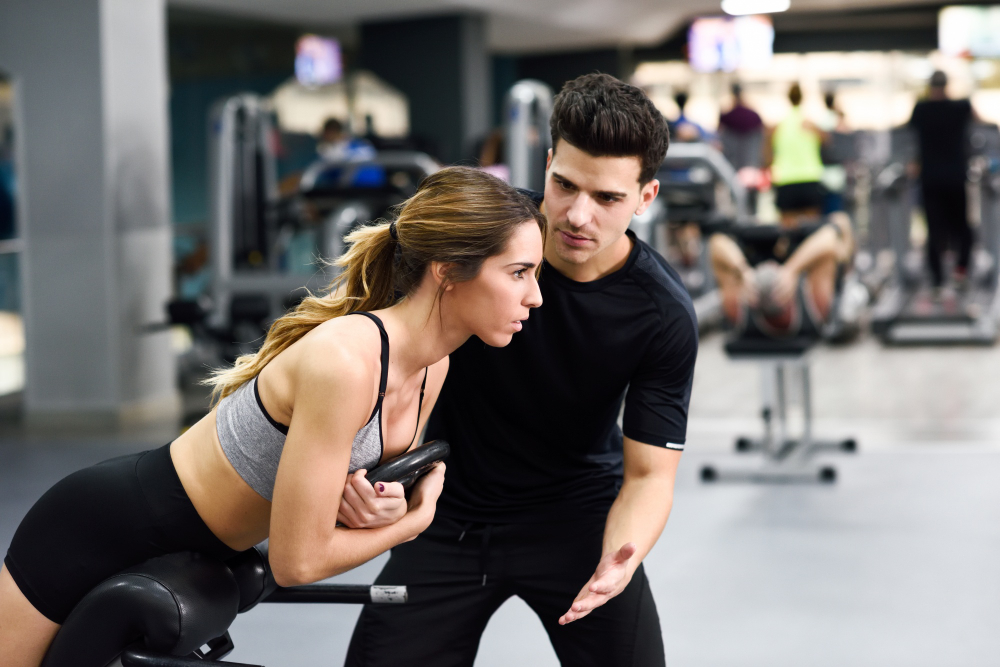
Ever watched a client struggle with an exercise they thought would be easy? It happens more often than we think! Learning how to guide someone through those little movements is an important part of a Certificate IV in Fitness Darwin. As a personal trainer, we cannot simply show someone an exercise and expect them to get it right straight away. Some clients need a bit more time, others need a simpler version, and a few just need someone to explain things in a different way. The trick is knowing how to help without making them feel uncomfortable.
Watch First, Then Step In
When a client starts an exercise, give them a moment to move naturally. Watch how they position their body, where they place their feet, and whether they seem comfortable with the movement.
It is tempting to correct every little thing straight away, but that can leave clients feeling like they are doing everything wrong. Nobody enjoys that!
Instead, look for the main thing that needs attention. If a client is struggling with a squat, for example, start by helping them find a comfortable stance and control their movement. There is no need to overwhelm them with five instructions at once.
One clear correction is often enough to get things moving in the right direction.
Explain the Reason Behind Each Correction
Telling someone to keep their back straight or slow down is one thing. Helping them understand why it matters is another.
Clients are more likely to follow your guidance when they understand what they are trying to achieve. Keep your explanations simple and use words they can picture.
For example, instead of giving a long explanation about squat technique, you could ask them to sit their hips back as if they were reaching for a chair. That sounds much easier to understand, does it not?
We should also remember that people learn differently. One client might understand a spoken instruction straight away, while another may need to see the movement demonstrated first.
Try different ways of explaining things until you find what works for the person standing in front of you.
Make Small Changes Instead of Changing Everything
Sometimes an exercise is simply too difficult for a client’s current ability. And that is perfectly fine.
If someone cannot maintain control during a push-up, there is no point insisting they complete every repetition on the floor. Try wall push-ups or incline push-ups instead. Once they feel comfortable and can control the movement, you can gradually make it more challenging.
The same idea applies to lunges, squats, and many other exercises.
As personal trainers, we need to leave our egos at the door. The goal is not to make every client perform the hardest version of an exercise. It is to help them move well, build confidence, and improve at a pace that suits them.
Give Feedback Without Making Clients Nervous
Nobody likes feeling watched and judged, especially when they are new to the gym.
The way we correct a client can make a big difference. Rather than saying, “You are doing that wrong,” try something like, “Let us try that again with a little more control.”
See the difference?
The second approach keeps the conversation friendly and gives the client something useful to work on. When they get it right, tell them! A simple “That looked much better” can help someone feel more confident about trying again.
Of course, encouragement should be honest. If something still needs work, explain it kindly and show them what to change.
Know When to Slow Things Down
Clients sometimes rush through repetitions because they want to finish quickly or lift heavier weights. We have all seen it. The movement gets faster, control disappears, and the exercise becomes harder to manage.
This is a good time to reduce the weight, slow the pace, or give the client a short break.
Ask how the movement feels, too. If they report pain, stop the exercise and assess the situation appropriately rather than encouraging them to push through it. Seek qualified medical advice when needed.
Good technique is not about making every repetition look identical. It is about helping clients exercise with control, use an appropriate range of movement, and recognise when something does not feel right.
Keep Learning as a Personal Trainer
Helping clients improve their technique takes practice. You learn from watching people move, explaining exercises, adjusting your approach, and sometimes realising that your first instruction did not quite work.
That practical side of the job is worth paying attention to when choosing a Personal Training course Darwin. Learning about exercise is important, but getting opportunities to practise coaching and receive feedback can help you feel more prepared for real gym sessions.
At SR PT Education, practical learning is an important part of preparing students for a career in fitness. The more comfortable you become with demonstrating movements and guiding different clients, the easier it becomes to coach with confidence.
And remember, you do not have to fix everything in one session. Help your client make one useful improvement, then build from there. Those small wins can make training feel better, safer, and far less intimidating.
Frequently Asked Questions
1. Why is exercise technique important for personal training clients?
Good technique helps clients control their movements, train within their abilities, and get more out of their workouts. It can also help reduce avoidable injury risks when exercises are performed appropriately.
2. How can a personal trainer correct poor exercise technique?
Start by observing the movement, identify the most important correction, and explain it in simple language. Demonstrating the exercise or offering an easier variation can also help.
3. What should a trainer do if a client struggles with an exercise?
Make the exercise easier by reducing the load, changing the position, or choosing a simpler variation. Build up gradually as the client becomes more comfortable and develops better control.
4. How can trainers give feedback without discouraging clients?
Use calm, supportive language and focus on what the client can improve. Point out genuine progress and avoid making clients feel embarrassed when they need extra guidance.
5. Does a Certificate IV in Fitness help develop exercise coaching skills?
A Certificate IV in Fitness covers important personal training skills, including exercise programming and coaching. Practical training can help students learn to demonstrate exercises, give clear instructions, and adapt sessions to suit different clients.


Leave a Reply