
Walk into a cannabis dispensary, and you’ll see a lot of products competing for attention. Before anyone reads the label or checks the ingredients, the packaging is usually what gets noticed. That’s why working with a cannabis packaging design agency near me in Philadelphia can be more valuable than simply ordering generic boxes and putting a logo on them. Good packaging gives a product some personality. It tells people what kind of brand they are looking at, who it is meant for, and sometimes even what they should expect inside. In a crowded cannabis market, that first impression matters more than many brands realize.
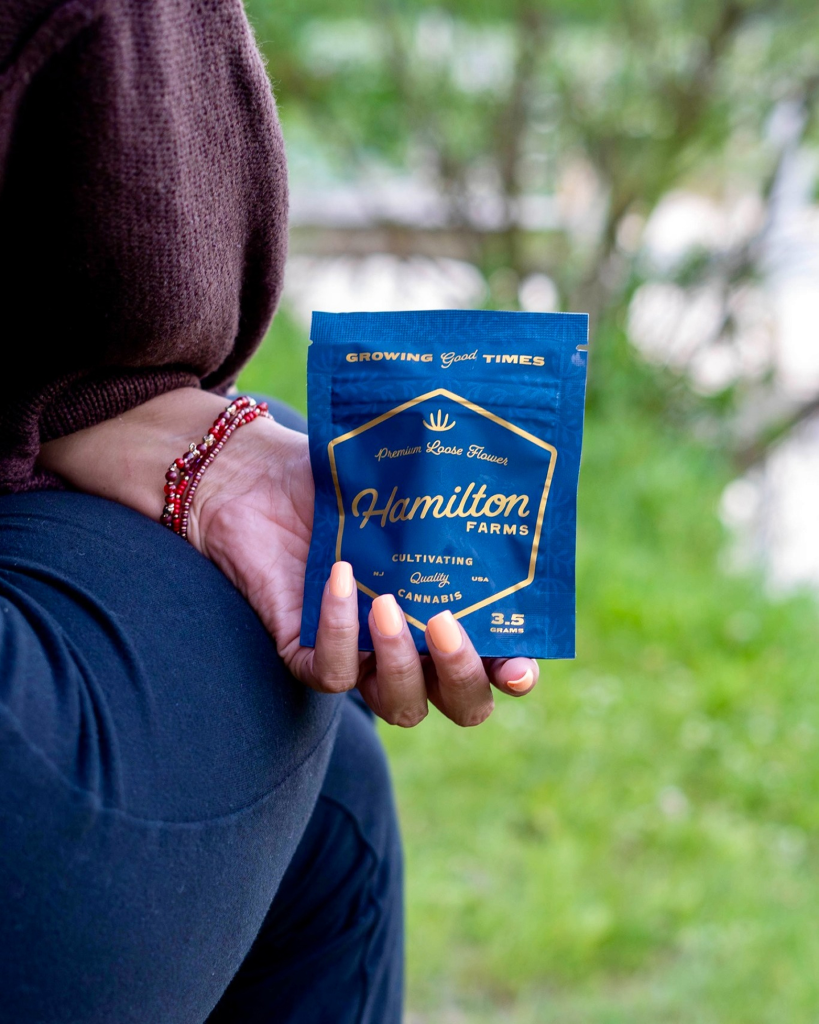
Why Cannabis Packaging Has Become a Marketing Tool
Cannabis packaging used to be treated mostly as a practical requirement. Keep the product protected. Add the necessary information. Make sure it meets regulations. Done.
That approach doesn’t really work anymore.
Customers have more choices, and cannabis brands are trying harder to stand apart. Packaging has become part of the overall marketing experience. A clean, modern package can make a product feel premium. Bright colors and playful graphics might speak more directly to a younger adult audience. Minimal designs can create a sense of quality without shouting about it.
The interesting part is that none of this has to be exaggerated. Sometimes the strongest packaging is actually pretty simple. A well-placed logo, smart typography, useful product information and a design that feels consistent can do a lot of work.
Design Starts With Knowing the Customer
The biggest packaging mistake is designing for everyone.
That sounds safe, but it usually creates something bland. A cannabis brand should have a clear idea of who it wants to reach before choosing colors, fonts, materials or imagery. Is the product aimed at experienced consumers who already understand cannabis? Is it positioned for people who are trying cannabis products for the first time? Maybe the audience cares about wellness, convenience, premium quality or a more natural lifestyle.
Those differences should show up in the package.
Think about walking into a dispensary and seeing two products sitting next to each other. One has a generic label and feels like it could belong to almost any company. The other has a recognizable visual identity, clear messaging and packaging that feels intentional. Most people will at least pick up the second one to look closer. That small interaction is important. Packaging has done its first job.
Building a Brand People Can Recognize
A strong package shouldn’t exist by itself. It should connect with everything else the brand is doing.
The colors used on product boxes might also appear on the website. The typography can carry over into social media. Product photography, retail displays and promotional materials should all feel like they came from the same company. This creates consistency, and consistency helps people remember a brand.
Custom cannabis packaging is especially useful here because brands can control more than just the printed logo. Box shape, finishes, textures, inserts and opening experiences can all become part of the identity.
And yes, people notice these things. Maybe not consciously every time, but they notice.
A package that feels different from the competition can create curiosity. That curiosity can lead to someone picking it up, reading the label, asking a budtender about it or searching for the brand later.
Packaging Has to Balance Creativity and Compliance
There is one thing cannabis brands can’t ignore: packaging has rules.
Creative design is great, but it still has to work within applicable cannabis packaging and labeling requirements. Required information needs to be easy to find and understand. Child-resistant features, warnings, product details and other requirements may influence the size and structure of the package.
This is where thoughtful design really matters.
Compliance doesn’t automatically mean boring. A package can include required information while still looking attractive and distinctive. The trick is making the functional information part of the design instead of treating it like an ugly block of text that was added at the last minute.
Good cannabis packaging designers understand that balance. They make the package useful first, compliant where required, and visually strong at the same time.
The Retail Shelf Is Where Packaging Gets Tested
Online, a brand has plenty of space to explain itself. A website can have product descriptions, videos, customer reviews and detailed brand stories.
A retail shelf is different.
There might be dozens of products sitting within a few feet of each other. Customers are moving around, comparing prices and looking at labels. You may only have a few seconds to make your package noticeable.
This is why shelf presence matters.
Packaging should be easy to recognize from a short distance, but it should also reward a closer look. Strong hierarchy helps. The brand name should not disappear. Product type should be clear. Important information shouldn’t be buried under decorative graphics.
It sounds simple, but plenty of packaging gets this wrong.
Using Packaging to Create an Emotional Connection
People don’t always buy based on facts alone. Packaging can create a feeling before the customer ever tries the product.
A soft, natural design may suggest calm or wellness. A bold package can feel energetic and modern. A premium finish may communicate craftsmanship. Even small details, such as how a box opens or how a product sits inside, can influence how someone remembers the experience.
That emotional connection is valuable because cannabis is not just a product category anymore. Different consumers attach different expectations and experiences to it.
The package gives brands a chance to communicate their version of that experience without needing a huge paragraph of marketing copy.
Where Marketing and Packaging Come Together
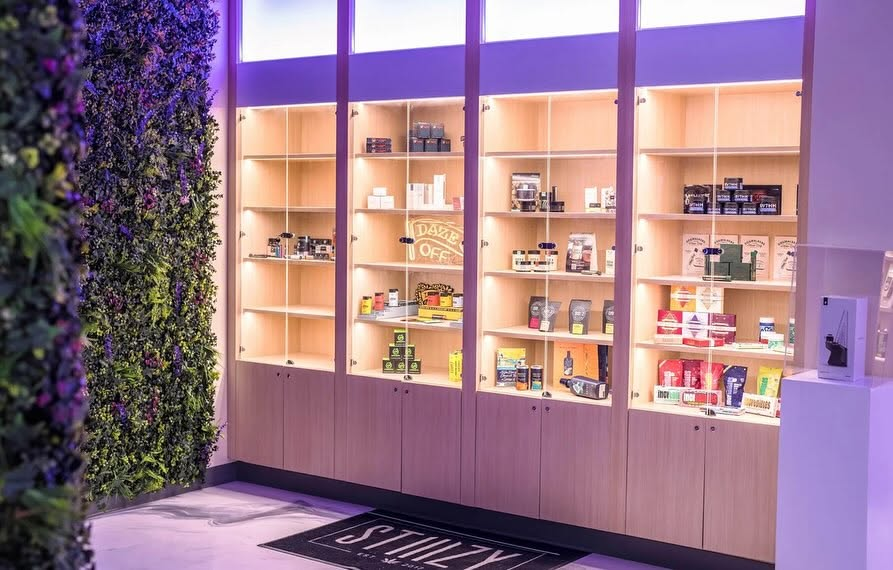
Packaging works best when it is connected to the wider marketing strategy. This is where a Retail marketing agency can bring another useful perspective, especially when a cannabis brand is trying to understand how its packaging performs in actual retail environments. Design decisions can be informed by customer behavior, shelf placement, promotions and the way people move through stores.
That connection matters. A beautiful package that nobody notices isn’t doing enough. Likewise, a package that grabs attention but doesn’t explain the product clearly can create confusion. Marketing and packaging need to support each other instead of operating as separate projects.
Conclusion: Make the Package Part of the Conversation
Custom cannabis packaging gives brands something that generic packaging simply can’t: a chance to communicate before the customer says, “What is this?”
It can show personality, signal quality, attract the right audience and help a product become recognizable over time. But the goal shouldn’t be to make packaging flashy just for the sake of being different. That gets old quickly.
The better approach is to understand the audience first, build a clear brand identity, work within the necessary requirements and then create packaging that feels natural for that audience. When those pieces come together, the package becomes more than protection around a product. It becomes part of the brand experience, and that is where real connection starts.


Leave a Reply