
Jaw pain can be one of those problems that seems to come out of nowhere. One day you’re eating normally, and the next, chewing feels uncomfortable or your jaw clicks every time you open your mouth. It can also show up alongside neck tension, headaches, or even issues people usually associate with other parts of the body, such as back pain and chiropractic care. The body is connected, after all. A problem with movement or muscle tension in one area can sometimes affect another. But when the pain is centered around the jaw, the temporomandibular joint, or TMJ, is often where people start looking for answers.
What Is TMJ Dysfunction?
The temporomandibular joints are the two small joints located on either side of your face, just in front of your ears. They connect your lower jaw to your skull and help you talk, chew, yawn, and do all the little jaw movements you probably never think about.
When these joints, the surrounding muscles, or the tissues supporting them aren’t working properly, you may develop what is commonly called TMJ dysfunction or TMD. And it doesn’t always feel like straightforward jaw pain. Some people notice clicking or popping. Others deal with stiffness, soreness, headaches, ear discomfort, or trouble opening their mouth fully. It can be annoying, especially when you don’t know what’s causing it.
Jaw Injury Can Trigger TMJ Problems
A direct injury to the jaw or face is an obvious possible cause. A fall, sports injury, car accident, or even a hard hit can affect the joint and surrounding muscles. Sometimes the pain starts immediately. Other times, symptoms become more noticeable days later as inflammation and muscle tension settle in.
An injury doesn’t necessarily have to break or visibly damage anything either. The joint can become irritated or the muscles around it may tighten up after trauma. That change in movement can create a cycle of discomfort. You move differently because it hurts, and then the altered movement can make the area even more irritated.
Teeth Grinding and Clenching Are Common Culprits
Here’s another big one: grinding and clenching your teeth. Many people do it without realizing it, particularly while sleeping or during stressful periods.
Constant pressure from clenching puts extra demand on the jaw muscles and joints. Over time, that can leave the jaw feeling tired, sore, or stiff. You might wake up with a headache or notice that your teeth feel sensitive. Some people hear clicking when they open their mouth.
Stress can make this worse. You may not consciously feel stressed, but your jaw can still be carrying the load. It’s one reason simply telling someone to “relax” isn’t particularly helpful. If you’re grinding your teeth every night, there is usually more going on than that.
Poor Posture and Muscle Tension Can Play a Role
Your jaw doesn’t work in isolation. The muscles around your neck, shoulders, and upper back all work together to support movement and posture. Spending hours hunched over a laptop or looking down at a phone can increase tension through this area.
That doesn’t mean poor posture automatically causes TMJ dysfunction. It’s not that simple. But changes in head and neck position can affect muscle activity and how the jaw moves. For someone already dealing with jaw tension, constantly carrying stress through the neck and shoulders may add another layer to the problem.
This is also why some people notice jaw symptoms alongside headaches, neck stiffness, or upper back discomfort. The symptoms can overlap, which makes it worth looking at the bigger picture rather than focusing only on the painful spot.
Arthritis and Other Joint Conditions
Like other joints in the body, the TMJ can be affected by arthritis. Osteoarthritis may gradually wear down the joint, while inflammatory forms of arthritis can cause swelling, stiffness, and pain.
These conditions are more likely to cause ongoing symptoms rather than a sudden problem after one stressful day. You may notice stiffness when opening your mouth or pain that gets worse with chewing. If symptoms keep hanging around, getting the joint properly evaluated is important. Guessing at the cause isn’t a great strategy when several conditions can feel pretty similar.
Dental Problems Can Sometimes Feel Like TMJ Pain
Not every pain around the jaw is actually coming from the TMJ. Tooth infections, cavities, gum problems, impacted wisdom teeth, and other dental issues can cause pain that spreads into the jaw, face, or ear.
This is an easy one to overlook. If your jaw suddenly hurts and you also have tooth sensitivity, swelling, fever, or pain around a specific tooth, a dentist may be the right person to see first. Treating the wrong problem won’t make the pain disappear.
When Should You Take Jaw Pain Seriously?
Occasional clicking without pain isn’t always a major concern. But persistent pain is different. If your jaw keeps hurting, locks open or closed, becomes difficult to move, or makes eating uncomfortable, it deserves attention.
The same goes for swelling, significant tenderness, sudden changes in your bite, or symptoms following an injury. Don’t just keep pushing through it for months because you assume it will eventually disappear. Sometimes it does. Sometimes it doesn’t.
How Can TMJ Dysfunction Be Managed?
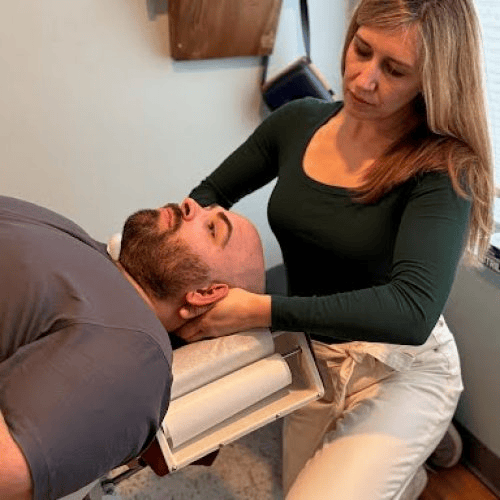
Treatment depends on what’s actually causing the problem. There isn’t one universal fix for every person with jaw pain. Depending on the situation, management may include rest from excessive chewing, gentle exercises, stress reduction, dental treatment, physical therapy, or professional care aimed at improving movement and reducing muscle tension.
For people dealing with broader musculoskeletal tension, chiropractic prenatal care can also be relevant during pregnancy when changes in posture and body mechanics may place additional stress on the neck, shoulders, and jaw. Any treatment during pregnancy should be appropriate for the individual and discussed with the relevant healthcare professionals.
The Bottom Line on Jaw Pain and TMJ Dysfunction
Jaw pain can have a surprisingly long list of possible causes, from teeth grinding and stress to injury, posture, arthritis, and dental problems. That’s why it’s better to understand what is driving the symptoms instead of treating every case exactly the same way. If jaw pain keeps returning, interferes with eating, or comes with other concerning symptoms, get it checked out. Your jaw does a lot of work every single day. Ignoring it probably isn’t going to make things easier.


Leave a Reply